
Mobile Toilet Bathroom Water and Electricity
The water and electricity situations in mobile toilet bathrooms mainly fall into two categories: those requiring water and electricity connections and those not requiring them, depending on their design and usage scenarios.
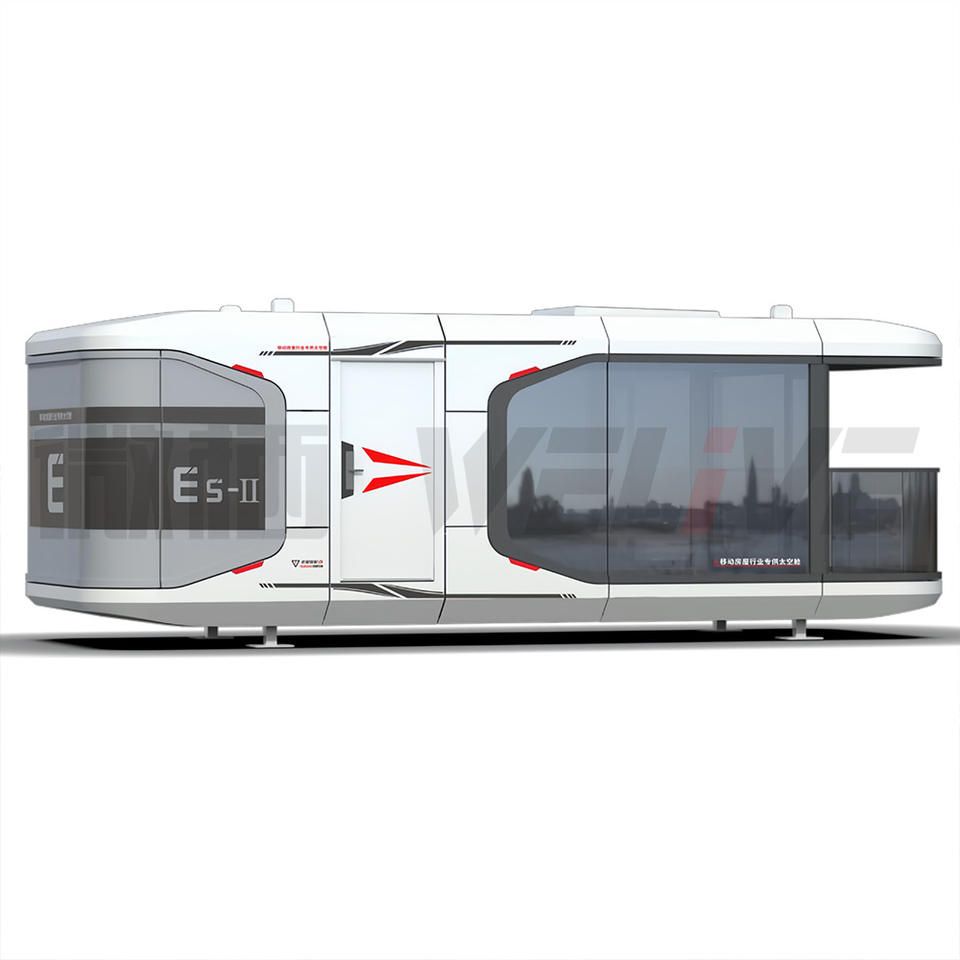
Mobile toilets that require water and electricity connections are primarily water-flush types, whose core functions rely on a stable supply of water and electricity. In terms of water sources, they need to be connected to municipal water supplies or water storage devices for toilet flushing and handwashing sink water supply, ensuring timely cleaning after use and preventing odor retention. For example, high-end packing-box toilets are equipped with ceramic squat pans and silent energy-saving flush tanks, achieving efficient flushing through concealed pipes, with a cleanliness level close to that of fixed public toilets. In terms of power sources, they need to be connected to the power grid or equipped with generators to supply electricity to devices such as lighting, exhaust fans, and water heaters (in some configurations). Exhaust fans can accelerate air circulation, reducing dampness and odors; water heaters provide warm water for handwashing, enhancing user comfort. These toilets are suitable for scenarios with well-established water and electricity infrastructure, such as parks, scenic spots, and long-term construction sites, meeting the needs of high-frequency and long-duration usage.
Mobile toilets that do not require water and electricity connections have broken free from dependence on external resources through technological innovations. Waterless-flush toilets use biodegradation or sealed collection technologies to treat waste: biodegradation types decompose excreta by adding microbial strains, converting it into harmless substances; sealed collection types seal and store waste through special toilet structures, which are then regularly transported away by dedicated vehicles. These toilets do not require flushing water, naturally eliminating the need for a water source; at the same time, as they lack electricity-consuming devices such as lighting and exhaust fans, they also do not require a power supply, making them suitable for scenarios without water and electricity access, such as wilderness campsites, emergency rescue sites, and temporary resettlement points in remote villages. Solar-powered toilets are another type of solution that does not require connection to the power grid. They are equipped with solar panels on their roofs, converting light energy into electrical energy, which is stored in batteries to supply power to low-power devices such as lighting and exhaust fans. Some models can also be combined with water-flush or waterless-flush functions, achieving flushing through solar-powered small water pumps or incorporating biodegradation technology to further expand their application scenarios, such as in remote mountainous areas and desert scenic spots.



