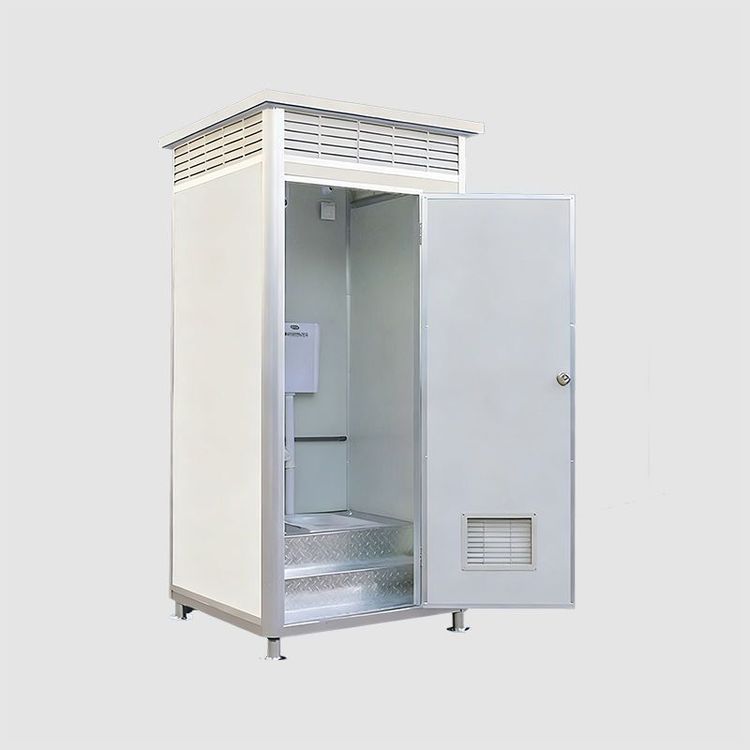
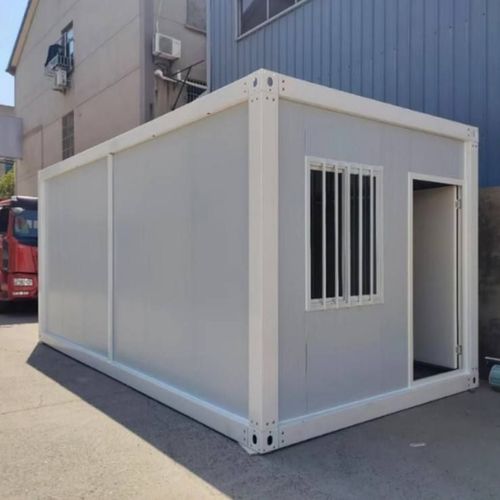
Mobile Toilet Base Repair
Mobile toilet base repair requires targeted measures based on specific issues. Here are some common repair methods:

1. Seal Failure or Loosening
If the sealant at the joint between the base and the ground is aged, cracked, or detached, first clean up the residual sealant to ensure the joint is dry and free of oil. Apply neutral mold-resistant silicone sealant evenly along the joint, leaving a 1-2cm vent to prevent water accumulation, then align the base and press it down with a heavy object. Allow it to stand for 24 hours for the sealant to fully cure. If the base moves slightly, insert a thin rubber sheet or wooden piece at the contact surface and reapply sealant. For precise positioning, measure the distance between the base and the ground, mark the position, apply sealant along the marked line, and then install to ensure tightness.
2. Damage to Internal Components
If the base shakes significantly, disassemble and inspect the internal structure. First, turn off the water supply, unscrew the inlet hose at the bottom of the water tank, empty the residual water in the tank, and then slowly lift the base (avoid pulling on the sewage pipe). Focus on checking whether the flange ring is deformed or damaged. If damaged, replace it with a new one of the same specification and ensure it is aligned with the sewage pipe opening for installation. Also, check whether the ground expansion bolts are loose. If loose, retighten them or replace them with longer bolts to reinforce the base. After repair, reapply sealant and allow it to stand for 24 hours before use.
3. System-Related Fault Diagnosis
Mobile toilet base failures may involve multi-system issues. For example, aging of the seal ring may cause leakage in the water supply pipeline. Long-term leakage can corrode the fasteners, leading to base loosening. Therefore, during repair, simultaneously check the water supply system (such as water pipe connections and valves) and the sewage pipeline (such as the tightness of the sewage pipe opening) to avoid secondary damage caused by other system issues after repairing a single fault.
4. Material and Environmental Adaptation
The replacement parts during repair should match the original design. For example, outdoor mobile toilets should use sealant gaskets with strong weather resistance, avoiding cracking or deformation due to material intolerance to temperature differences. If metal fasteners are used, choose rust-resistant materials to adapt to humid environments. If the leakage is sewage and you lack disassembly experience or tools, it is recommended to contact a professional plumber for handling, avoiding improper operation that may lead to seal failure or base damage.