Anti-Corrosion Materials for Mobile Toilets
Common anti-corrosion materials used in mobile toilets include stainless steel, galvanized steel sheets, anti-corrosion wood panels, PVC plastic sheets, aluminum ceiling panels, HPL high-pressure laminates, phenolic resin high-pressure panels, color-coated steel sheets, and FRP (fiberglass-reinforced plastic).

Stainless steel is a commonly used anti-corrosion material for metal frames, characterized by high strength, rust resistance, high-temperature resistance, and ease of cleaning. The dense oxide film formed on its surface effectively isolates corrosive media, making it suitable for humid or rainy environments and resistant to deformation or damage over long-term use.
Galvanized steel sheets are coated with a zinc layer through galvanization. Zinc, being more chemically active than iron, reacts preferentially with corrosive media, thereby protecting the base metal. This material effectively prevents mold and bacterial growth, combining corrosion resistance with high hardness, and is commonly used for frames or shells of mobile toilets.
Anti-corrosion wood panels undergo special treatment (such as pressure impregnation with preservatives), significantly enhancing their anti-corrosion properties and ensuring a long service life even in humid environments. These materials are typically used for floors or decorative components of mobile toilets, balancing anti-corrosion with natural aesthetics.
PVC plastic sheets, based on polyvinyl chloride, offer excellent waterproof and moisture-proof properties, effectively preventing water penetration and avoiding corrosion issues caused by humidity. Their smooth surface is easy to clean and is commonly used for interior walls or partitions in mobile toilets.
Aluminum ceiling panels, based on aluminum alloy, have a surface treated with oxidation to form a dense oxide film, providing moisture resistance, impact resistance, stain resistance, and strong oxidation resistance. They are lightweight, strong, and easy to install, commonly used for ceilings or wall decorations in mobile toilets.
HPL high-pressure laminates are made by pressing multiple layers of kraft paper impregnated with resin under high temperature and pressure, offering waterproof, stain-resistant, wear-resistant, and smooth, easy-to-clean surfaces. Their corrosion resistance stems from the chemical stability of the resin, making them suitable for high-humidity environments in mobile toilets.
Phenolic resin high-pressure panels are manufactured through a composite process of phenolic resin and fibrous materials, forming a one-piece structure without the need for edge finishing. They are moisture-resistant, stain-resistant, and easy to clean, with corrosion resistance derived from the chemical resistance of phenolic resin, commonly used for countertops or cabinets in mobile toilets.
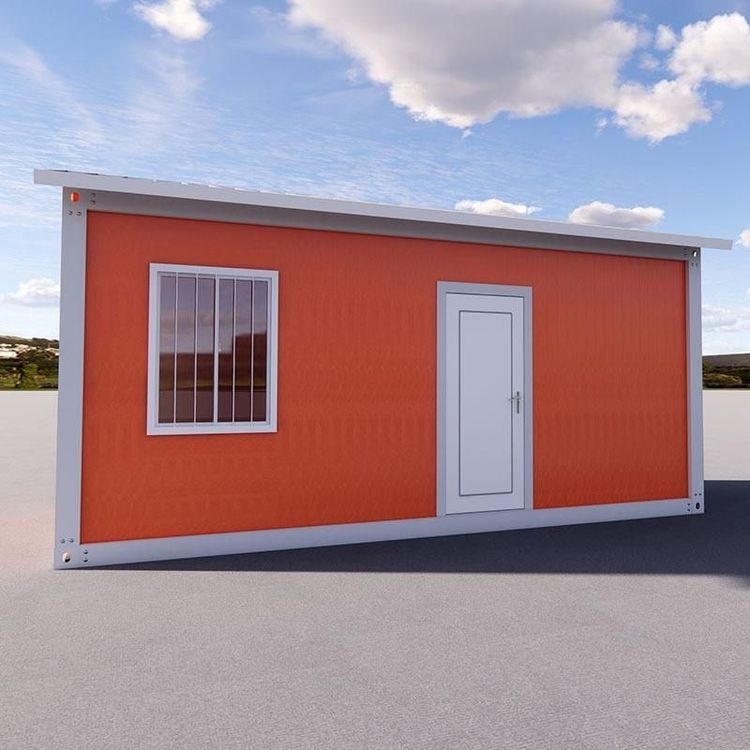
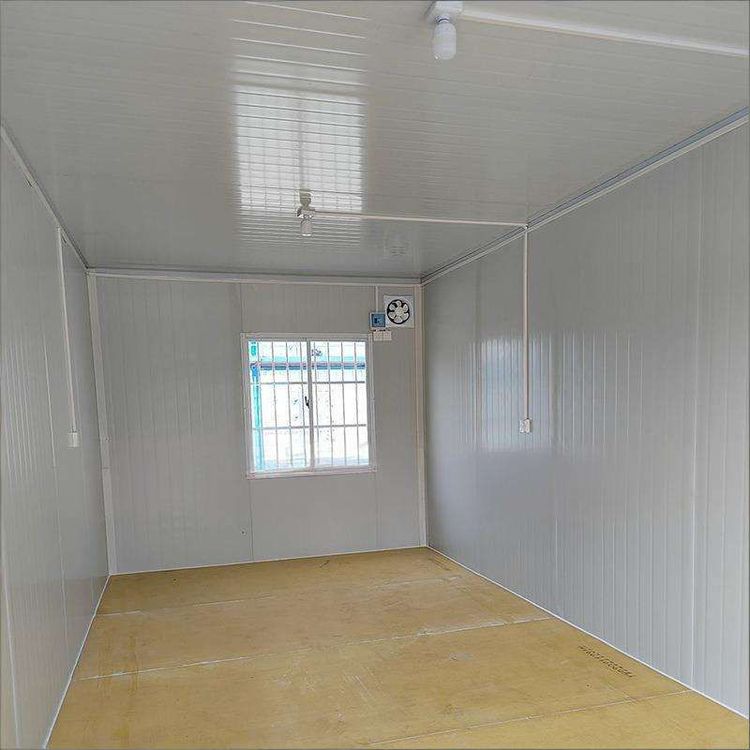
Color-coated steel sheets are composed of color-coated steel plates and core materials such as foam or rock wool, with the coating providing anti-corrosion protection and the core material enhancing thermal insulation. This material is lightweight, cost-effective, and widely used for shells or partitions in mobile toilets.
FRP (fiberglass-reinforced plastic) is composed of glass fibers and synthetic resins (such as unsaturated polyester resins), with glass fibers providing strength and resins imparting corrosion resistance and aging resistance. It offers strong design flexibility, adapting to complex shapes, and is commonly used for the overall structure or special components of mobile toilets.