Mobile Toilet and Stall
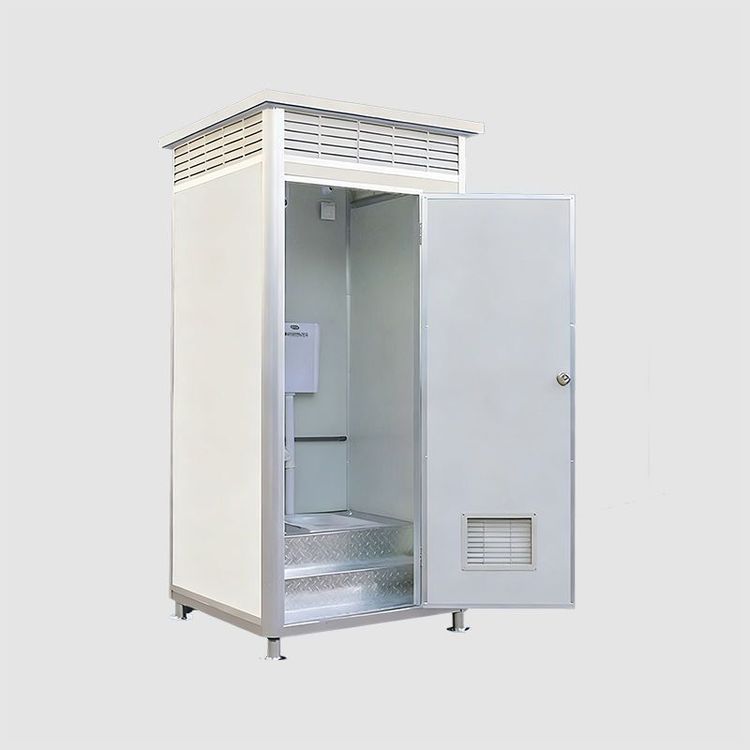
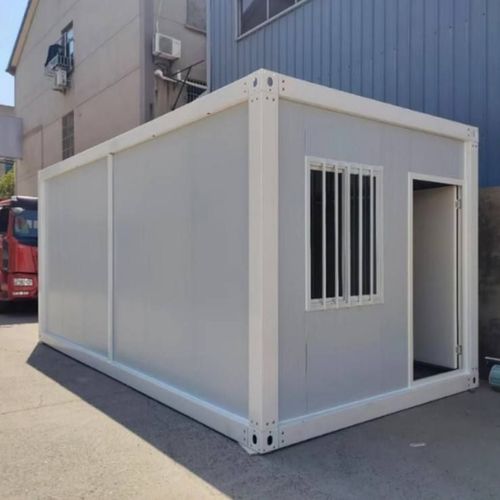
Mobile toilet and stall come in various forms, primarily divided into large custom-built mobile toilets and portable mobile commodes.

Large Custom-Built Mobile Toilets
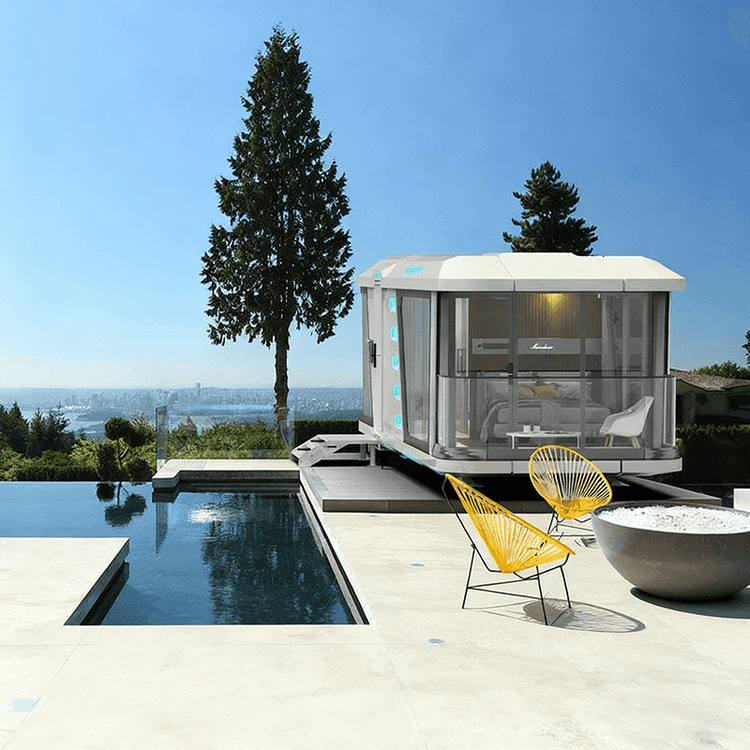
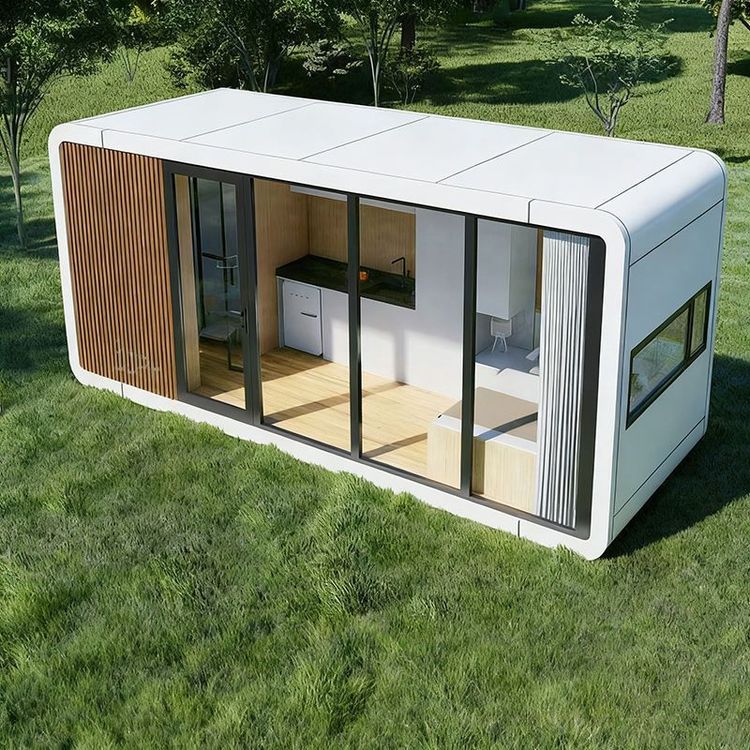
Take the Apple Pod mobile toilet as an example. These facilities are typically customized according to specific scenario requirements. For instance, an Apple Pod mobile toilet customized for a scenic spot in Anhui features separate areas for men and women, with twenty squatting positions in the men's area to meet the toilet needs of high-traffic scenarios. The structural materials are diverse, with the front wall decorated with Great Wall panels and some areas using sheet metal with a real stone paint finish, ensuring both structural strength and aesthetic appeal. Standardized signage facilitates quick identification of functional areas by users. These mobile toilets are usually equipped with a complete water supply and drainage system, and some high-end models also integrate ventilation and lighting modules, making them suitable for temporary or semi-permanent scenarios such as scenic spots and large events.
Portable Mobile Commodes
Primarily designed for individuals with mobility impairments, such as the elderly, pregnant women, and the disabled, these commodes address toilet needs in indoor environments like bedrooms. Their core design emphasizes stability and slip resistance, often manufactured using high-strength materials like ABS engineering resin with antibacterial additives to inhibit bacterial growth. Some products are equipped with auxiliary structures like armrests and backrests to enhance safety during use. Double-layer sealing design reduces odor diffusion through physical isolation, and the integrated structure facilitates easy transportation and cleaning. These commodes typically do not require an external water source, using detachable waste collection buckets for fecal collection, making them suitable for use in home care and rehabilitation institutions.
The differences between the two types of mobile toilet and stall mainly lie in their application scenarios and functional positioning: large custom-built models focus on large-scale services in public spaces, while portable models emphasize convenience and hygiene for individual use. When choosing, it is necessary to consider actual needs, comprehensively evaluating factors such as the number of users, environmental conditions, and maintenance costs.