
Mobile Toilet and Septic Tank Construction
Mobile toilet and septic tank construction require following specific procedures and paying attention to key technical points to ensure functionality and safety.
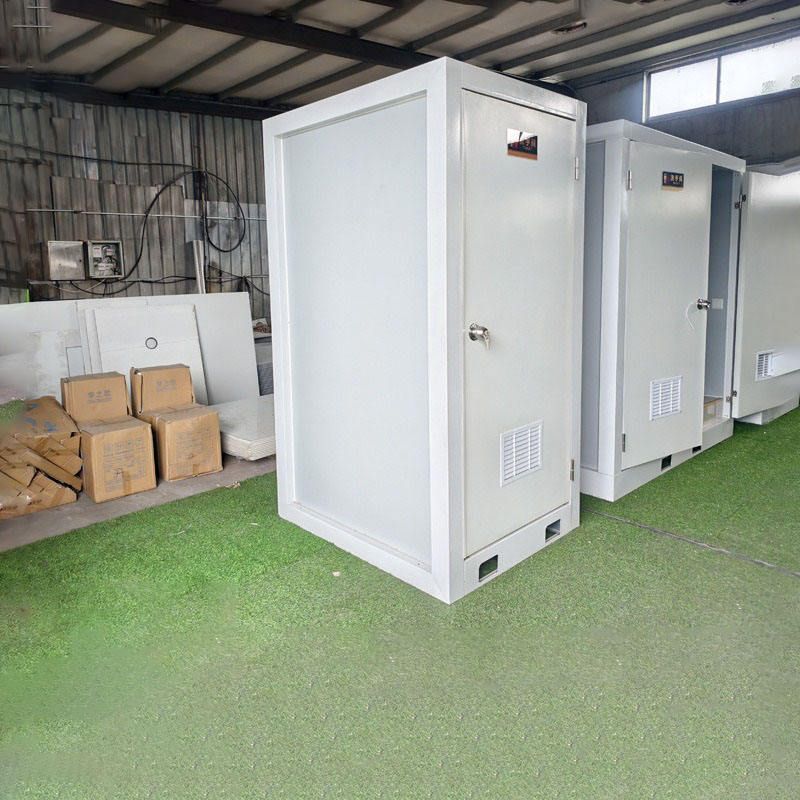
Mobile Toilet Construction Process
Site Clearance
Before construction, thoroughly remove weeds, debris, residues, and garbage from the site to ensure a flat and obstacle-free surface, providing a clean foundation for subsequent work.Foundation Construction
Determine the depth and area of the foundation based on the actual size and weight of the public toilet, typically excavating to a stable soil layer. Lay a concrete base layer according to design requirements, with a thickness that meets load-bearing needs (generally not less than 15 cm) to enhance overall stability and prevent later settlement or tilting.Overall Installation
Before installation, verify the compatibility of the toilet's size and weight with the foundation and septic tank. Assemble the main structure, doors, windows, sanitary facilities, and other components according to the instructions, connecting the power supply, water supply and drainage pipes, and ventilation system. After installation, conduct a trial toilet check, including functional tests for flushing, sewage discharge, and lighting, to ensure no leaks or malfunctions.
Septic Tank Construction Key Points
Fixed Septic Tank
- Volume and Ratio: The total volume should be greater than 1.5 m³, with a volume ratio of 2:1:3 for the first, second, and third tanks. The second tank should have a width of at least 50 cm and a depth exceeding 120 cm to ensure effective anaerobic fermentation.
- Tank Structure: Choose a rectangular or circular tank based on site conditions, using brick masonry, concrete pouring, or fiberglass materials to ensure structural stability and leak prevention.
Septic Tank for Mobile Public Toilets
- Capacity and Depth: Determine the septic tank capacity based on the number of users and discharge frequency, with a depth that meets local frost line requirements (usually not less than 1 m).
- Tank Construction: Use corrosion-resistant materials such as high-density polyethylene (HDPE) or fiberglass, ensuring airtightness through welding or bolt connections to prevent odors and sewage overflow.
- Pipe Laying: Connect the toilet's sewage outlet to the septic tank using PVC or PE pipes, with a pipe slope of ≥2% to ensure gravity flow. Install inspection wells at bends for easy maintenance.
Core Construction Considerations
- Ground Stability: The foundation concrete must cure to the required standard before installing the public toilet to avoid structural damage due to an unstable foundation.
- Septic Tank Airtightness: Apply waterproof sealant to tank joints and conduct a full-water test before covering with soil to confirm no leaks before backfilling.
- Pipe Safety: Use rubber seals or hot-melt welding for pipe connections to avoid leaks caused by inferior fittings.
- Aesthetics: The exterior of mobile public toilets can be finished with eco-friendly paint or decorative panels, with colors coordinated with the surrounding environment to meet local aesthetic standards.



