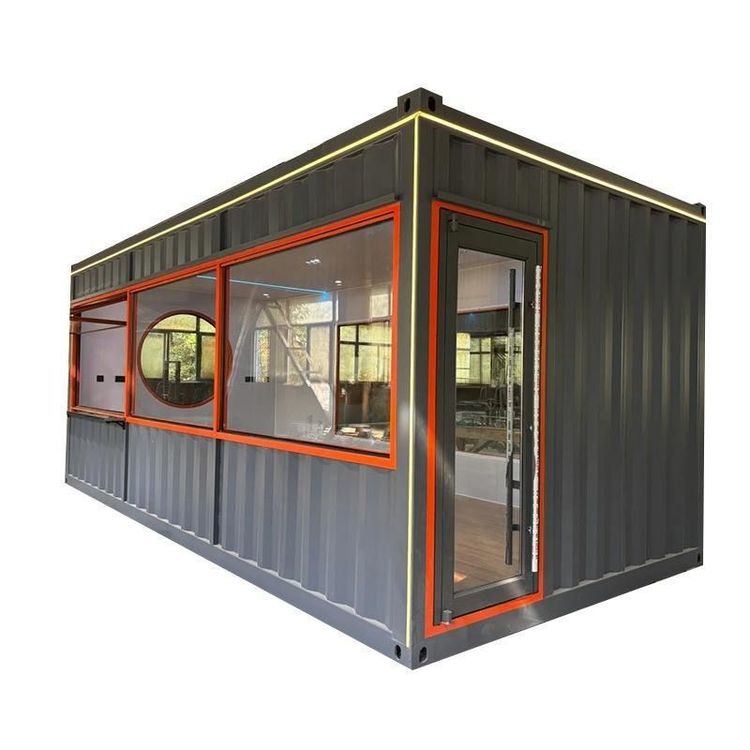
Mobile Toilet and Mobile Beehive
The mobile toilet 'Honey Bucket' and the mobile beehive are two completely different facilities. The former is a public sanitation facility, while the latter is a beekeeping tool. They have no connection in terms of function, usage scenarios, or operational specifications.

Mobile Toilet 'Honey Bucket'
The 'Honey Bucket' is a common public mobile toilet in the United States. Its name originates from an English pun: it refers to both a 'honey bucket' and a slang term for a 'fecal bucket'. Its design初衷 (original intention) is to provide convenient sanitation facilities for temporary locations such as parks, campsites, and construction sites. It typically adopts a closed structure, equipped with a septic tank or connected to a sewage pipeline to reduce odor diffusion and environmental pollution. The mobility of such toilets is reflected in their ability to be hoisted or towed as a whole, facilitating rapid deployment or removal according to needs. It should be noted that a female blogger once mistakenly identified a mobile toilet marked with 'Honey Bucket' as a mobile beehive due to her unfamiliarity with beekeeping terminology, sparking ridicule from netizens. This case indirectly highlights the importance of accurate use of professional terminology.
Operational Specifications for Mobile Beehives
Moving beehives is a common operation in beekeeping management, and the appropriate time and method should be selected based on the moving distance:
- Short-distance moving (within the beekeeping farm): Operating at night is safer, as bees have a higher return rate to the hive at this time, reducing the risk of flight. After moving, distinct markers should be placed around the beehive (such as placing differently colored stones or hanging identification signs) to help bees relocate the hive and avoid getting lost due to similar environments.
- Long-distance moving (over several kilometers): The hive entrance should be closed 1-2 hours in advance to prevent bees from flying out during transportation. Upon arrival at the new site, the beehive should be left undisturbed for 30 minutes to 1 hour to allow the bees to adapt to the environment before opening the hive entrance. Subsequently, continuous observation for 3-5 days is required to check for abnormal clustering or flight tendencies in the bee colony. If necessary, supplementary feeding or adjustment of the comb position should be carried out.
Key Differences: The 'mobility' of a mobile toilet refers to the physical relocation of the facility, without considering biological behavior. In contrast, moving a beehive requires strict adherence to the biological characteristics of bees, using methods such as time selection and environmental marking to reduce stress reactions and ensure the health and productivity of the bee colony.