
Back to blog
Article
Mobile Toilet and Commode
Admin October 10, 2026
Mobile toilets and commodes have distinct features in terms of functionality and design, catering to different scenarios and user needs.
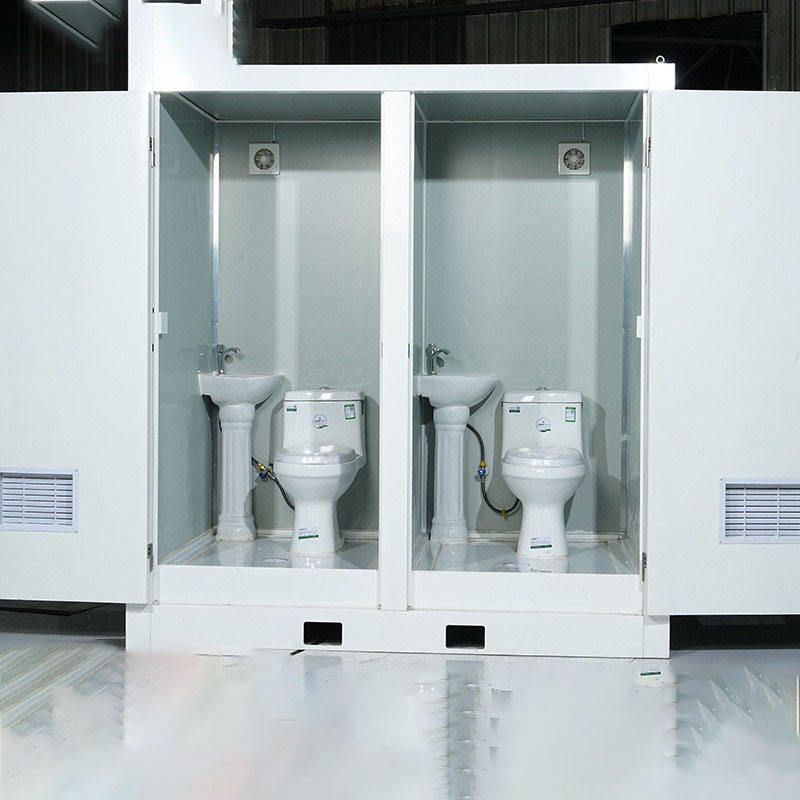
Mobile Toilets are mainly categorized into three types:
- Regular Mobile Toilets: These feature a gray and white color scheme, with separate areas for men and women. The overall steel frame is sturdily welded, equipped with daylighting and ventilation sliding windows, and gray aluminum alloy exterior doors. These toilets are structurally stable, suitable for long-term fixed use scenarios such as construction sites and scenic spots, with ventilation design effectively improving internal air quality.
- Portable Plastic Mobile Toilets: The 2026 new design emphasizes portability, equipped with usage signs, ventilation systems, large-capacity freshwater tanks, and gravity-flush sewage tanks (with foot pump operation). The exhaust pipe design efficiently expels odors, making them suitable for temporary events and emergency rescue scenarios, with lightweight materials facilitating rapid deployment and mobility.
- Eco-Friendly Public Toilet Trailer-Type Packaging Toilets: These achieve flexible mobility through trailer devices, using packaging technology to treat excreta without the need for external water sources or sewage pipes, suitable for areas without infrastructure, such as field expeditions and disaster sites, highlighting environmental friendliness.
Mobile Commodes focus on portability and elderly-friendly design:
- Target Users: Primarily serving the elderly, pregnant women, and disabled individuals with mobility issues, emphasizing stability and slip resistance. Bucket-type or thick-legged structures reduce the risk of tipping over, suitable for indoor scenarios such as homes and hospitals.
- Materials and Craftsmanship: Often made of high-strength materials like ABS engineering resin, containing antibacterial additives to inhibit bacterial growth, with a smooth and easy-to-clean surface. Some products are equipped with handrails and backrests to enhance safety and comfort during use.
- Sealing and Odor Control: Double-layer sealing design effectively reduces odor leakage, with an integrated structure facilitating overall movement and storage, meeting short-term or temporary use needs.
Comparative Summary: Mobile toilets focus on large-scale use in public scenarios, balancing functionality and mobility through modular design; mobile commodes concentrate on individual needs, with ergonomics and hygiene performance at the core. Both enhance user experience through material optimization and structural design, but differ significantly in application scenarios and functional positioning.



