
Advantages and Disadvantages of Mobile Toilets
The advantages of mobile toilets include strong mobility, adaptability to site changes, and reduced resource waste; the disadvantages include significant differences in material costs, limited durability, and difficulty in choosing treatment technologies.
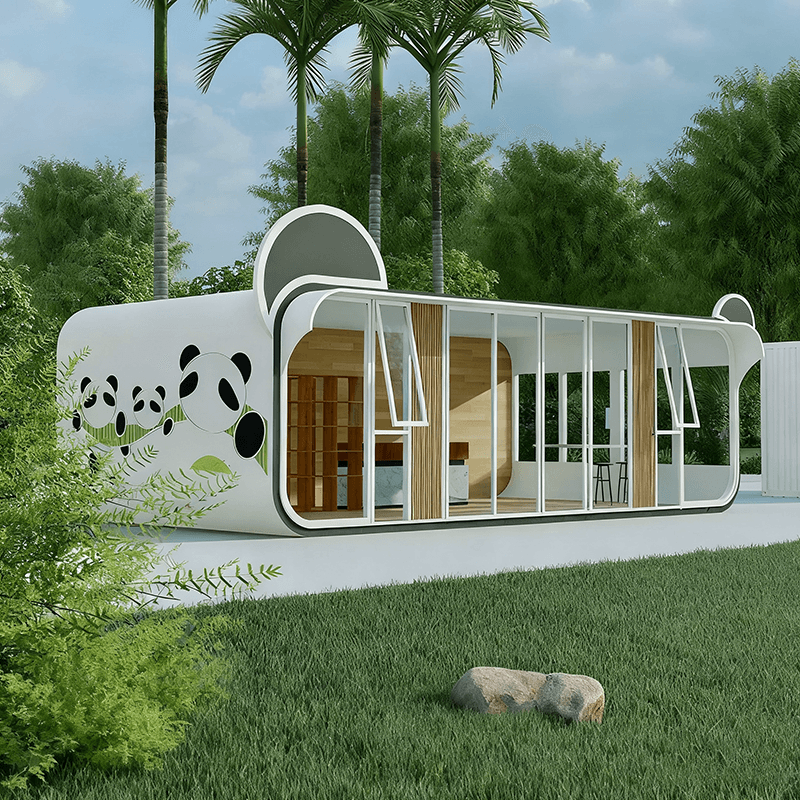
The core advantage of mobile toilets lies in their mobility. Once traditional fixed toilets are built, their locations are difficult to adjust. If they need to be demolished due to urban planning, changes in event venues, or temporary needs, a large amount of resources will be wasted. In contrast, mobile toilets can be quickly relocated to new sites according to actual needs, making them especially suitable for temporary events (such as music festivals and sports events), construction sites, or tourist attractions, significantly improving the flexibility of facilities and resource utilization efficiency.
However, the disadvantages of mobile toilets are mainly reflected in differences in materials and costs. Mobile toilets made of different materials have significant differences in performance, price, and applicable scenarios. For example, although metal carved panel toilets have diverse shapes and high aesthetics, making them suitable for formal occasions, their relatively high cost may exceed the budget limits of some projects. Although the specific disadvantages of color-steel and fiberglass mobile toilets are not explicitly mentioned, based on the characteristics of the materials, it can be inferred that color-steel may have insufficient corrosion resistance and is prone to damage when exposed to humid or corrosive environments for a long time; although fiberglass is lightweight and corrosion-resistant, its impact resistance is weak, and it may face durability challenges in scenarios with high pedestrian traffic or intensive use.
In addition, the choice of treatment technology for mobile toilets is also a major challenge. Their fecal treatment methods include flushing, packing, and microbial degradation, among others, with different technologies suitable for different environments. For example, flushing requires connection to water sources and sewage pipes and is suitable for sites with infrastructure support; packing does not require water and electricity but requires regular cleaning and is suitable for remote areas; microbial degradation is environmentally friendly but has a high cost. If the wrong choice is made, it may lead to low treatment efficiency, odor diffusion, or increased maintenance costs, further limiting their scope of application.



