Accounting Treatment for Mobile Toilets
The accounting treatment for mobile toilets is typically handled as fixed assets, with the specific process as follows:

1. Accounting treatment upon purchase
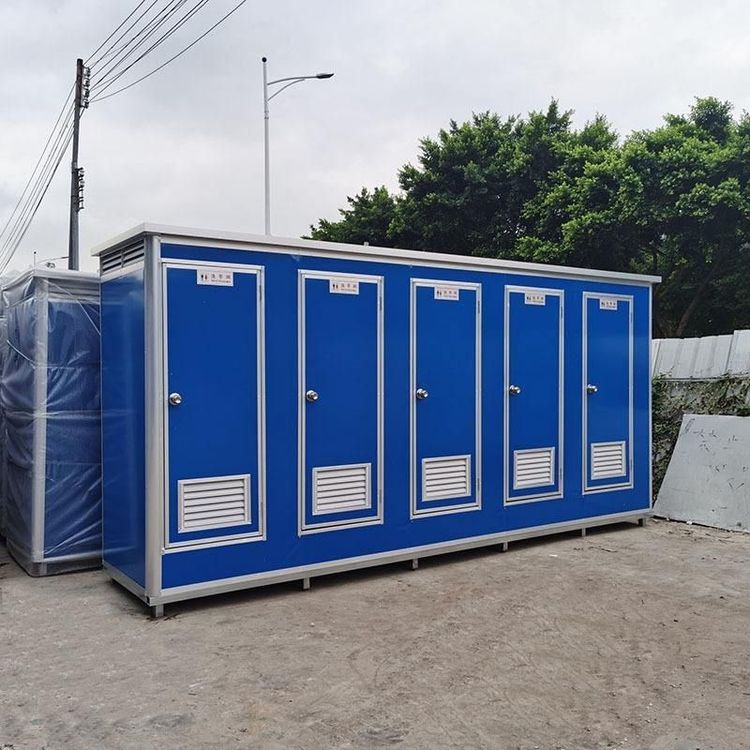
When a company purchases mobile toilets, they should be recorded as fixed assets. The accounting entry is: Debit the 'Fixed Assets - Mobile Restrooms' account and credit the 'Bank Deposit' or 'Accounts Payable' account, etc. For example, if a company purchases three mobile restrooms for a total of 3,300 yuan, or if a company buys a mobile toilet worth 10,000 yuan, both should be accounted for under the 'Fixed Assets' account. This treatment aligns with the definition of fixed assets, which are tangible assets held by a company for the production of goods, provision of services, rental, or administrative purposes, with a useful life exceeding one accounting year.
2. Accounting treatment for depreciation
As fixed assets, mobile toilets need to be depreciated according to depreciation policies. The accounting entry is: Debit the 'Depreciation Expense' account and credit the 'Accumulated Depreciation' account. Depreciation methods are usually applied based on the category of tools and furniture, with specific depreciation periods and residual value rates determined according to the company's accounting policies. For example, if depreciation is calculated over five years, the annual depreciation rate is (1 - residual value rate) / 5, and the monthly depreciation amount is recorded in the relevant cost or expense account.
3. Accounting treatment for repair and maintenance expenses
Expenses incurred for the repair and maintenance of mobile toilets during use are considered routine maintenance expenditures and should be recorded in current profits and losses. The accounting entry is: Debit the 'Repair Expense' account and credit the 'Bank Deposit' or 'Raw Materials' account, etc. If the repair expense is significant or involves asset improvements, it should be judged whether to capitalize based on the actual situation.
4. Accounting treatment for rental income
If mobile toilets are rented out, upon receiving rental income, the accounting entry is: Debit the 'Bank Deposit' account, etc., and credit the 'Other Business Income' account. Simultaneously, taxes payable (such as value-added tax) should be calculated based on the rental income, with the accounting entry: Debit the 'Taxes Payable - Value-Added Tax Payable' account and credit the 'Bank Deposit' account. The handling of rental income and taxes should comply with tax laws to ensure tax compliance.
5. Accounting treatment upon scrapping
When mobile toilets meet the conditions for scrapping, fixed asset disposal should be carried out. The accounting entry is: Debit the 'Fixed Asset Disposal' account and credit the 'Fixed Assets - Mobile Restrooms' and 'Accumulated Depreciation' accounts. Expenses incurred during the disposal process (such as dismantling fees) are recorded in the debit side of the 'Fixed Asset Disposal' account, and residual value income is recorded in the credit side.
6. Accounting treatment upon disposal
When disposing of mobile toilets and receiving payment, the accounting entry is: Debit the 'Bank Deposit' account, etc., and credit the 'Fixed Asset Disposal' account. If disposal results in a net gain, debit the 'Fixed Asset Disposal' account and credit the 'Non-operating Income' account; if it results in a net loss, debit the 'Non-operating Expense' account and credit the 'Fixed Asset Disposal' account. The disposal process should ensure that the book value of the asset matches the actual disposal income to avoid accounting errors.