
Which Accounting Category Does Mobile Toilet Belong To
Mobile toilets belong to the fixed asset category.
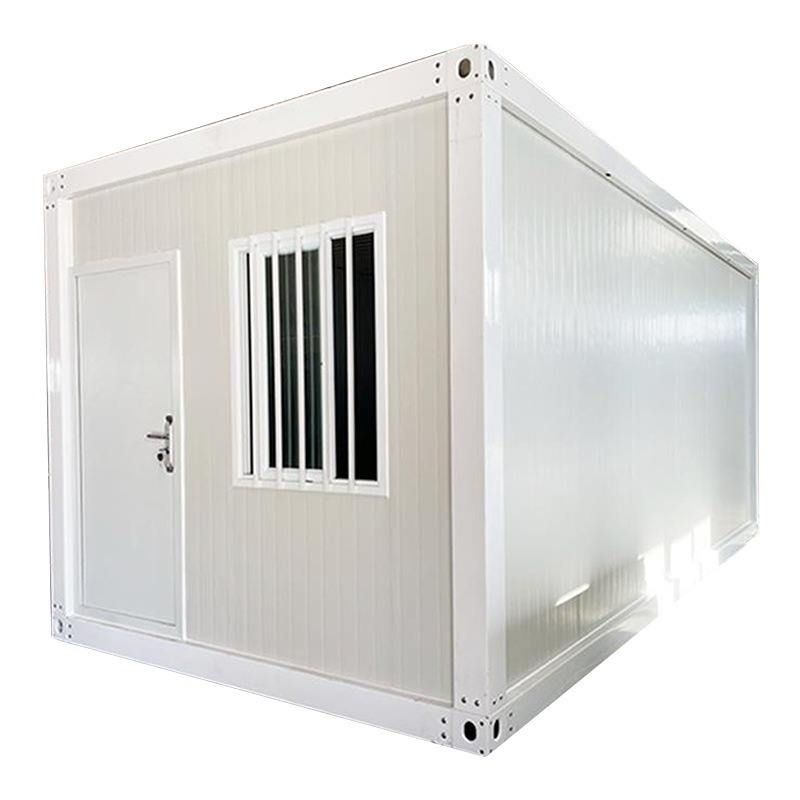
Criteria for Identifying Fixed Assets
According to accounting standards, fixed assets must meet the conditions of having a useful life exceeding one year, being of relatively high value, and being held for production and business operations. Although mobile toilets are movable, their useful life typically exceeds one accounting year and they are used for a company's management and operations. Therefore, they meet the accounting standards for fixed assets. For example, when a company purchases a mobile toilet for daily employee use or to provide services externally, its long usage cycle enables it to bring long-term economic benefits to the company, aligning with the basic characteristics of fixed assets.
Accounting Treatment Methods
In accounting treatment, when a company purchases a mobile toilet, corresponding accounting entries should be made. Specifically, debit the 'Fixed Assets - Mobile Restroom' account and credit accounts such as 'Bank Deposit' or 'Accounts Payable'. This treatment accurately reflects the increase in the company's assets and the outflow of funds, adhering to the principles of accuracy and authenticity in accounting. For instance, when a company pays for the purchase of a mobile toilet using bank deposits, by debiting 'Fixed Assets - Mobile Restroom' and crediting 'Bank Deposit', it clearly records the changes in assets and funds.
Handling of Special Cases
If a mobile toilet has a relatively low value, for example, around 2000 yuan, a company may, based on actual circumstances, directly record it as 'Administrative Expenses - Other Expenses'. This is because accounting for low-value assets as fixed assets may increase the company's accounting costs and management complexity. However, if a company purchases multiple similar assets with a significant total value, it is still advisable to record them as fixed assets. This can more accurately reflect the company's asset situation and avoid inaccurate asset accounting that could affect the company's financial decision-making. For example, when a company purchases multiple low-value but numerous mobile toilets at once, although each has a low individual value, the total value is significant. In this case, recording them as fixed assets is more appropriate.



