Mobile Temporary Toilet Purchase Guide
When purchasing a mobile temporary toilet, it is essential to consider factors such as material, odor and slip resistance, after-sales service, scenario adaptability, and sewage disposal methods to avoid issues like rusting, strong odors, and maintenance hassles.

1. Material and Structural Craftsmanship as Basic Guarantees
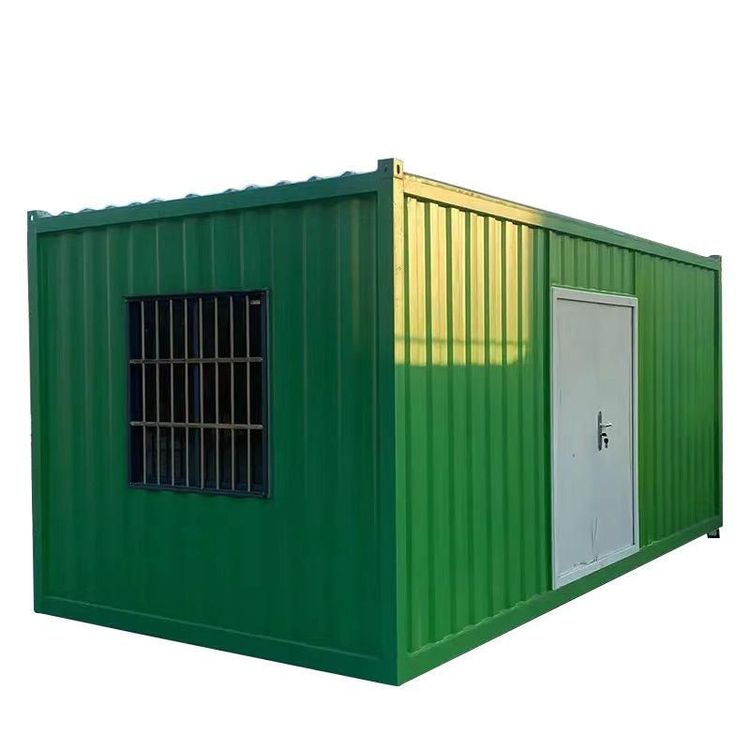
The main frame should be made of hot-dip galvanized square steel welded structure (e.g., 100*100 specification), which offers strong wind, sun, and corrosion resistance, ensuring no deformation or rusting during long-term outdoor use. The exterior wall panels should be selected based on the scenario: metal carved panels are recommended for municipal scenic spots (for thermal insulation, waterproofing, and corrosion resistance); color steel panels are suitable for short-term use on construction sites (for their lightweight and cost-effectiveness); and landscape-shaped panels are ideal for garden and cultural tourism scenarios (for their high aesthetic appeal). The interior should be equipped with slip-resistant and wear-resistant floors, odor-resistant ceramic fixtures, ventilation and air exchange equipment, energy-efficient lighting, privacy door locks, and storage hooks. Sealing craftsmanship and odor-resistant design are crucial to prevent odor leakage.
2. Odor and Slip Resistance Design Directly Affect User Experience
Odor control should be addressed from three aspects: first, the ventilation system should be equipped with exhaust fans and vents; second, the sewage disposal method should be considered, with water-flushing offering good cleaning but requiring a sewage network, foam-type providing odor isolation but consuming electricity, and packing-type suitable for sites without a sewage network; third, internal sealing should be emphasized, with particular attention to the sealing craftsmanship at the connection between the squat toilet and the pipeline. Slip resistance should be ensured by using slip-resistant floors or laying slip-resistant mats, and designing appropriate slopes to avoid water accumulation and reduce the risk of slipping.
3. After-Sales and Customized Services Reduce Long-Term Costs
Prioritize manufacturers that offer nationwide warranty, 24-hour after-sales response, spare parts inventory, and transportation and installation services, enabling quick resolution of faults and reducing maintenance costs. If special requirements are needed (such as size, color, or function), customization can be requested from the manufacturer, for example, multi-unit designs can accommodate high foot traffic at large events.
4. Matching Styles to Scenarios Enhances Adaptability
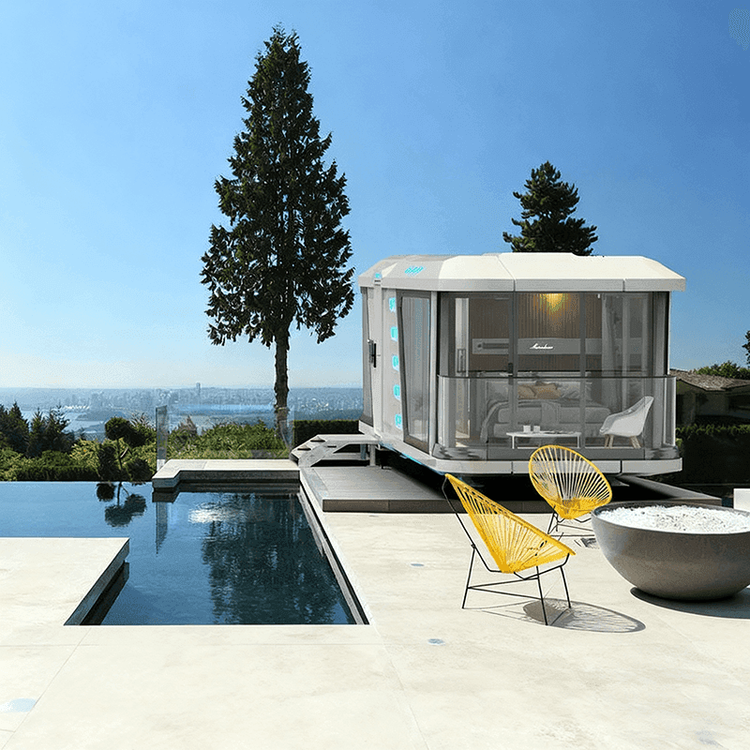
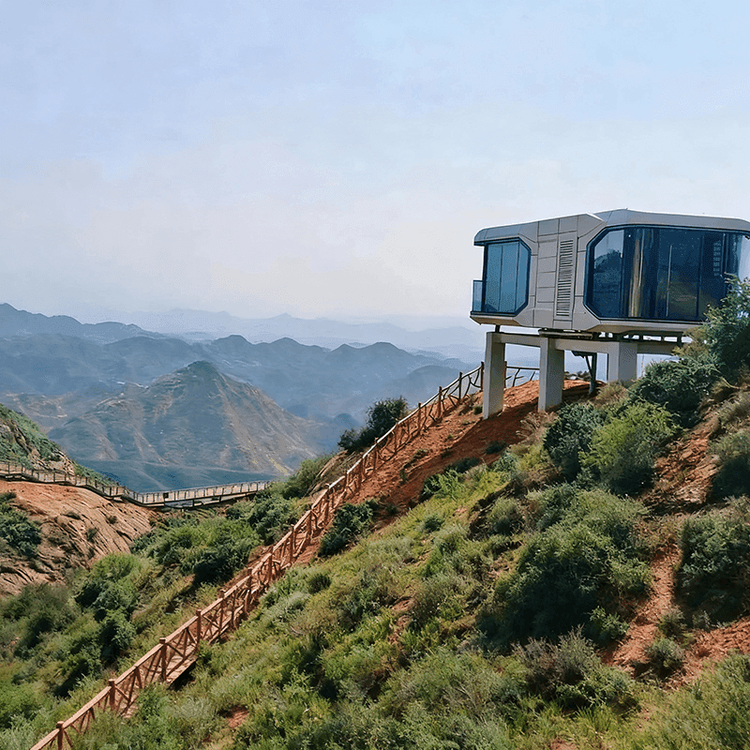
Simple steel-structured mobile toilets are suitable for construction sites or short-term events, offering sturdy structures and easy assembly and disassembly; prefabricated landscape mobile toilets are recommended for scenic spots or parks, featuring simple appearances and strong sealing; pipe-free ecological mobile toilets are necessary for sites without a sewage network, with reasonable sewage disposal designs and easy cleaning and leakage prevention; multi-unit mobile public toilets are suggested for large events, providing sufficient squat positions to improve turnover efficiency.
5. Sewage Disposal Methods Should Be Selected Based on Site Conditions
Water-flushing relies on a sewage network and is suitable for areas with well-established infrastructure; foam-type uses foam for odor isolation but requires continuous power supply; packing-type does not require a sewage network and is suitable for remote areas or temporary events. In terms of price, simple plastic models start at around 3399 yuan, while sturdy models for scenic spots range from 5900 to 7400 yuan, depending on the material and function.