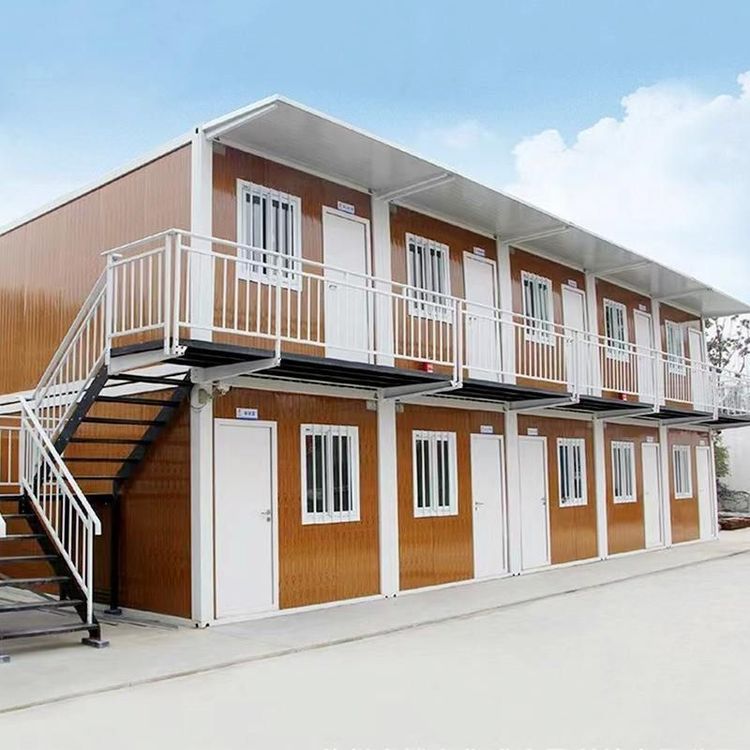
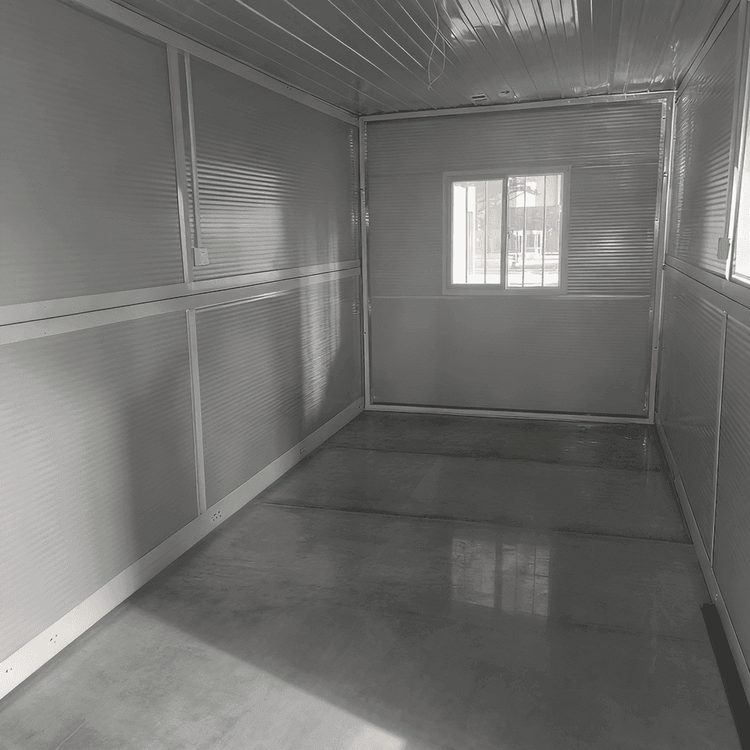
Mobile Shower Room Without Toilet
Mobile shower rooms indeed exist without toilets, primarily achieving a single shower function through modular or simplified functional configurations. The following provides an in-depth explanation from three dimensions: design types, functional configurations, and application scenarios.

I. Design Types: Semi-Mobile and Modular Solutions
Semi-Mobile Shower Rooms
Represented by the "straight sliding door shower room," these adopt a wall-mounted layout design, achieving dry-wet separation through glass sliding doors. Their core structure consists of a fixed frame paired with movable glass doors, occupying minimal space and offering flexible installation, suitable for home bathroom renovations or temporary use scenarios. For example, some products combine folding brackets with waterproof fabric curtains to form a collapsible, simple shower space, further reducing space requirements.Modular Shower Units
Based on standardized dimensions, these feature an independent shower cabin as the main body, including modules such as a base, enclosure, and top cover. Users can choose whether to integrate equipment like water heaters and showerheads based on their needs, but by default, they do not include toilet modules. For instance, collapsible bathtubs use eco-friendly PVC materials, enabling quick deployment and storage through inflatable or folding structures, suitable for outdoor camping or temporary shelters.
II. Functional Configurations: Focusing on Core Shower Needs
Basic Configuration Type
Equipped only with essential shower equipment, such as showerheads, drainage floor drains, and waterproof enclosures. Some products reduce their complexity by connecting to external hot water sources (e.g., gas water heaters or solar energy), further simplifying their structure. For example, certain models provide only a showerhead and control valve, with other functions requiring user supplementation.Customizable Configuration Type
Supports the addition or removal of functional modules, allowing users to request the removal of non-shower components like toilets and sinks. For example, although all-in-one shower rooms are named as such, they can retain only the shower area through custom design, removing other functional modules to create a pure shower space.
III. Application Scenarios: Flexibly Adapting to Diverse Needs
Home Scenarios
For small-apartment bathrooms or renovations of old houses, semi-mobile shower rooms can be installed along walls to avoid occupying additional space. For example, the straight sliding door design divides the shower area with a glass partition, maintaining spatial transparency while achieving dry-wet separation.Temporary or Outdoor Scenarios
Modular shower units, due to their lightweight and easy-to-disassemble characteristics, are widely used in temporary dormitories on construction sites, post-disaster shelters, or outdoor camping. For example, collapsible bathtubs can be quickly deployed through inflatable structures, paired with portable showerheads, to meet short-term shower needs.
Summary: The design of mobile shower rooms without toilets is achieved through modular structures, functional customization, and scenario adaptability, meeting single shower needs while considering spatial efficiency and usage flexibility. Users can choose semi-mobile or modular solutions based on actual needs and further simplify functions through custom configurations.