Back to blog
Article
Mobile Public Toilet Quality
Admin October 03, 2026
The overall quality of mobile public toilets is relatively reliable, with guarantees in multiple aspects such as materials, structure, functionality, sewage treatment, and quality control.
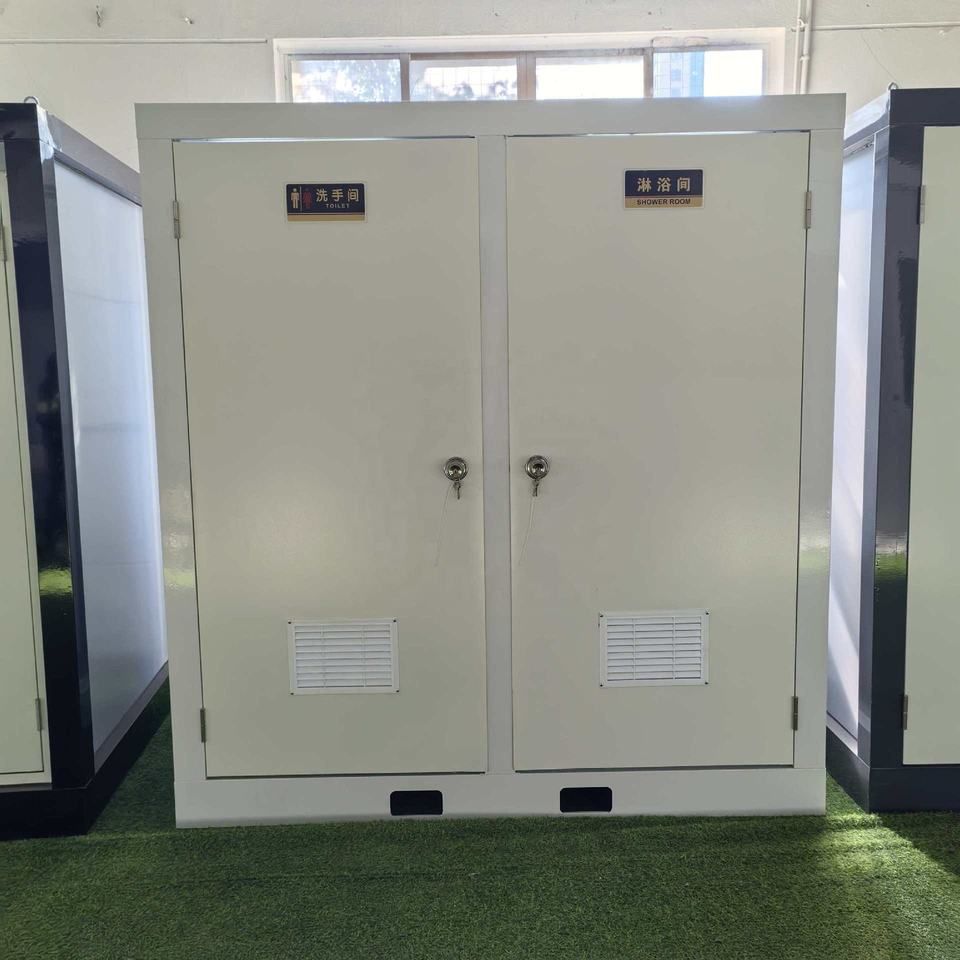
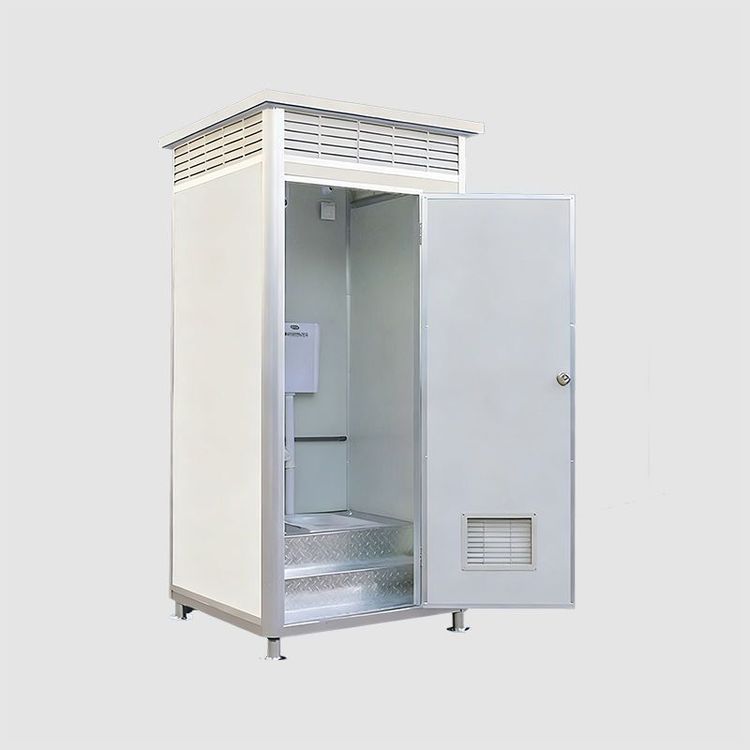
- High-quality material selection: Typically, materials such as fiberglass-reinforced plastic, stainless steel, high-density polyethylene, and national standard steel are used. These materials possess characteristics such as corrosion resistance, ease of cleaning, and aging resistance. Some exterior wall materials can be selected as required, including environmentally friendly panels such as color-coated steel sheets and metal carved panels, which have recycling value. The design life of the main materials is long. For example, the frame of mobile environmental protection public toilets is welded using national standard steel, and the surface is covered with corrosion-resistant and fire-resistant materials such as color-coated steel sheets or carved panels, with a service life of over 20 years.
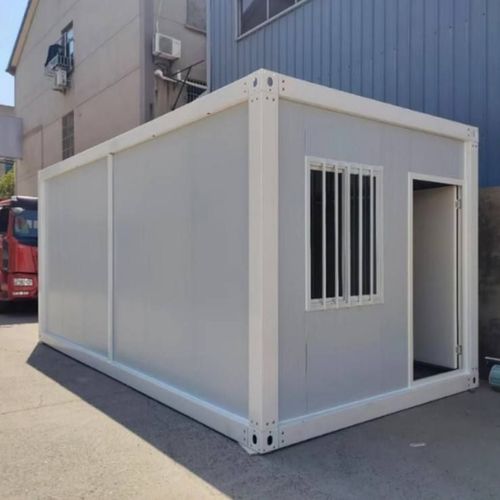
- Reasonable structural design: The main structure is welded using national standard light steel keels, meeting the requirements for overall lifting. Modular structures are considered during design, facilitating transportation and rapid installation, as well as adapting to different terrain changes. The overall structure is lightweight, durable, and sturdy, while also controlling the height and width of the toilet. The mobile devices are complete and reasonable.
- Rich functional configurations: Generally composed of fecal sewage storage tanks (or fecal sewage treatment devices), floor slabs, and sanitary ware. Internally equipped with independent toilet pit partition treatment systems, non-slip floors, automatic flushing toilet bowls, ventilation and lighting systems, etc. Standard configurations include toilet bowls (urinals), coat hooks, etc. Optional configurations include heating and cooling air conditioners, air purifiers, etc. Some also add barrier-free handrails to accommodate special populations.
- Diverse sewage treatment methods: There are various types such as water-flushing and waterless suction-type, circulating water-flushing type, and dry packing type. The circulating water-flushing type is equipped with intermittent aerobic and anaerobic fecal sewage treatment devices, and the treated water can be recycled for flushing. The dry packing type waterless flushing device uses biodegradable plastic bags to collect excrement, which are automatically replaced and collected for treatment after use.
- Strict quality control: During the production process, national relevant health standards and industry norms are followed to conduct item-by-item inspections of toilet fixture sealing, sewage pipe connections, wall strength, etc. The products also undergo wind and earthquake resistance tests. The factory inspection simulates actual usage scenarios, verifying product reliability through multiple flushing and load tests.
Related