Mobile Prefabricated Toilet
A mobile prefabricated toilet is a public restroom facility that can be moved as a whole and flexibly deployed, featuring mobility, modularity, and ease of transportation, meeting the restroom needs of both fixed and temporary locations.
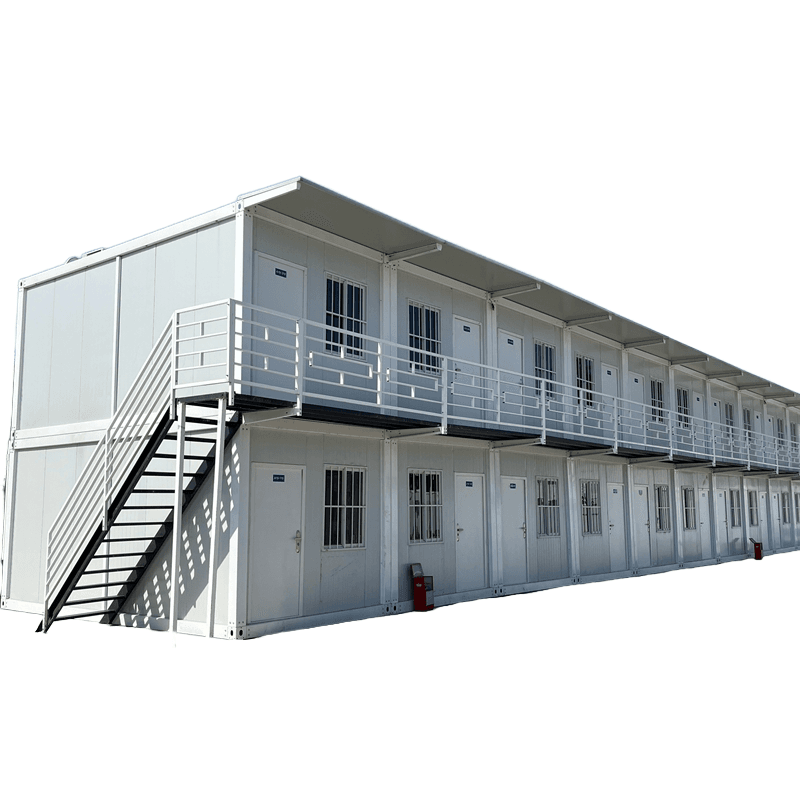
I. Basic Definition and Core Features
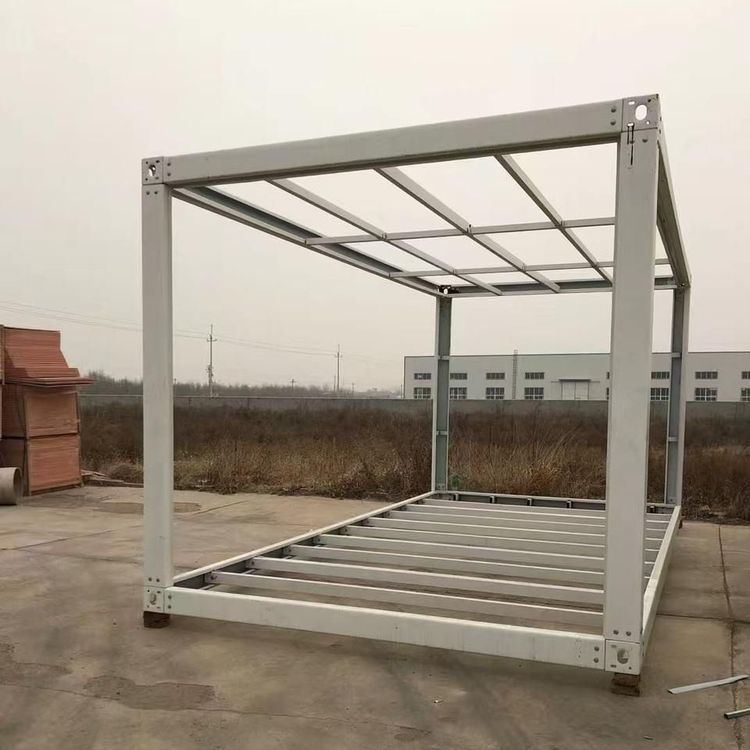
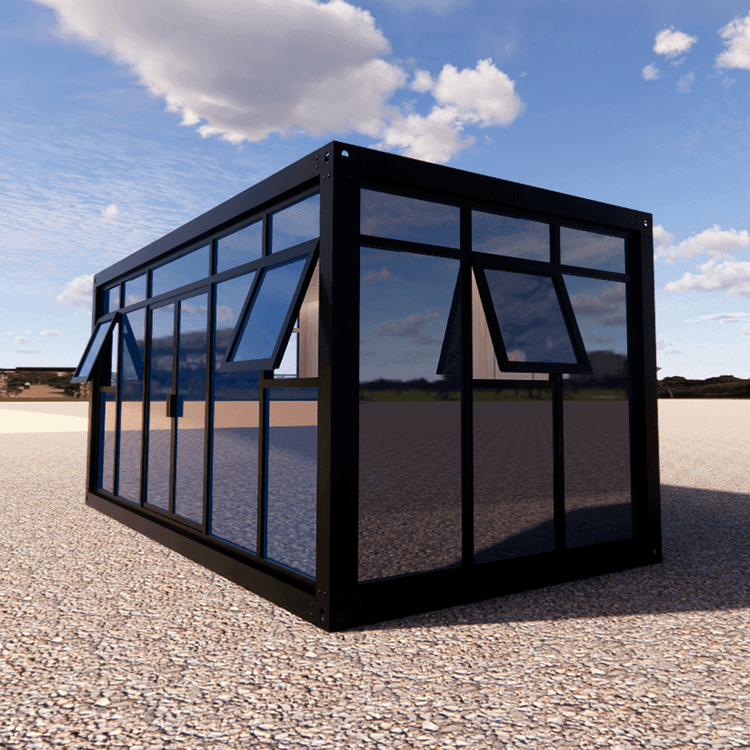
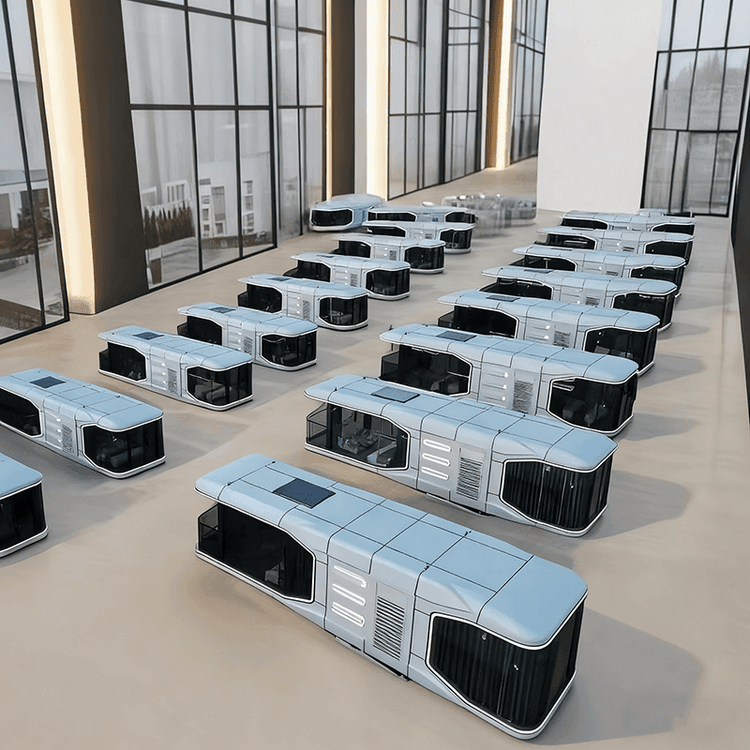
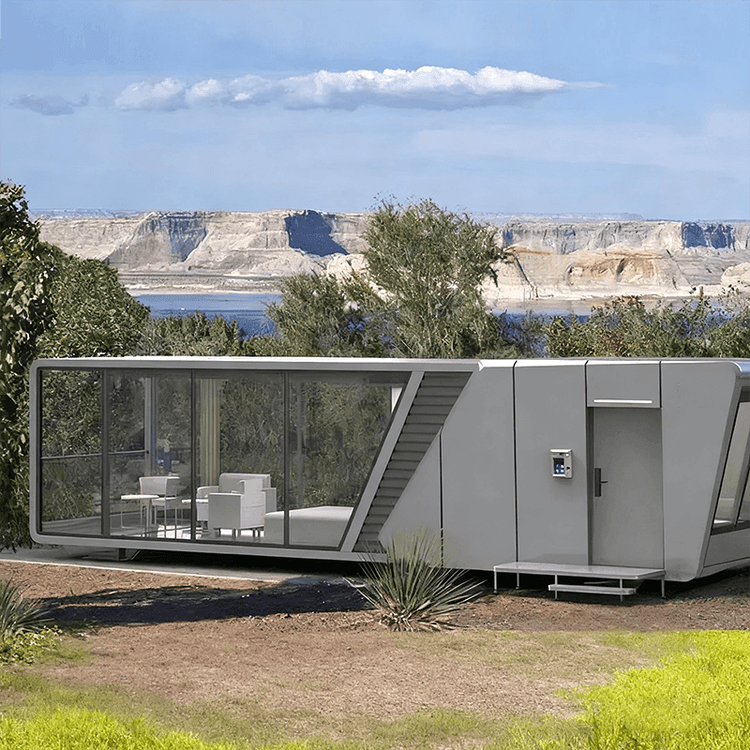
Mobile prefabricated toilets achieve overall mobility through modular design, enabling rapid deployment in scenic spots, construction sites, exhibitions, and other locations. Their core advantage lies in reusability, as they can be transported to different locations using vehicles (such as trucks) and put into use simply by connecting water and electricity pipes upon arrival, significantly reducing the construction costs of temporary restroom facilities. Some models support custom sizing; for example, a 27-square-meter model can be divided into a women's restroom area and a third restroom, balancing functionality and privacy needs.
II. Structural Composition and Classification Methods
Structural Composition
Composed of a fecal sewage storage tank (or treatment device), flooring, sanitary fixtures, walls, washing equipment, water tanks, roofs, and mobility devices. Among them, the fecal treatment system determines environmental performance; for example, the circulating water flushing type reduces water consumption through biodegradation technology, while the dry packing type directly collects feces for regular removal.Classification Dimensions
- Structural Form: Divided into single-unit structures (independent units) and composite structures (multi-module combinations), with the latter allowing for the expansion of more functional areas.
- Mobility Method: Hoisting types rely on lifting equipment, powered types are equipped with engines for autonomous movement, and towed types are pulled by vehicles.
- Sewage Treatment: Water flushing types require connection to municipal sewage networks, while non-water flushing suction types use vacuum pumps to transport feces, suitable for locations without water sources.
III. Design Styles and Material Selection
- Rustic Style: Features a thatched roof with a ridge design, complemented by a rain-proof porch and public washing area. The wall panels and door colors are unified, and partitions are installed in the men's restroom to enhance the user experience.
- Industrial Style: Uses a galvanized steel frame as the skeleton, with orange brick-patterned panels for the exterior walls, offering corrosion resistance of over 15 years, suitable for long-term outdoor use.
IV. Application Scenarios and Environmental Value
This facility is widely used in natural disaster emergency response, large-scale event support, and infrastructure construction in remote areas. Its modular nature supports rapid expansion or functional adjustments. For example, the dry packing type does not require flushing, preventing soil pollution from sewage leakage; the circulating water flushing type achieves water resource recycling through a filtration system, meeting green building standards.