
How Do Mobile Prefab Toilets Handle Defecation?
The defecation methods in mobile prefab toilets mainly include six types: direct water-flushing, water-flushing with a sewage tank, recirculating water-flushing, dry-packing, foam-sealing, and microbial degradation.
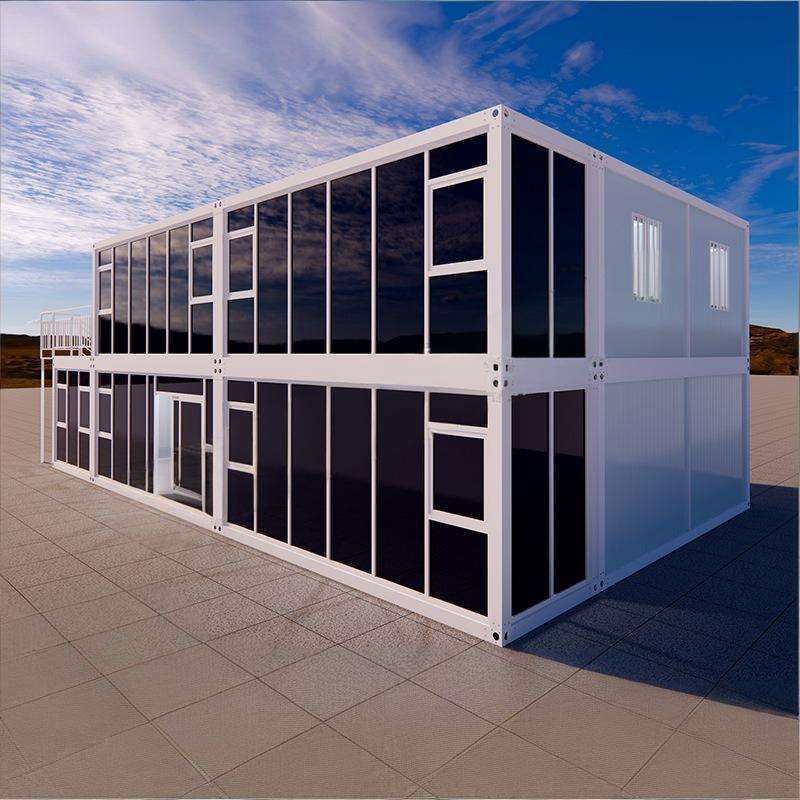
Direct water-flushing uses a water-flushing device to directly flush excrement into the sewer. This method requires supporting sewage pipes and a septic tank, making it suitable for areas with a well-developed sewage system. It can quickly remove excrement and keep the toilet interior clean, but the construction cost is high, and it is highly dependent on the sewage system.
The water-flushing with a sewage tank has a built-in water tank that uses water to flush excrement into a bottom sewage tank. The sewage tank has a limited capacity and requires regular pumping. The advantage of this method is that it is relatively easy to install and is not restricted by the sewage system, making it suitable for temporary locations or areas with inconvenient sewage disposal. However, the sewage tank needs to be cleaned regularly; otherwise, it will affect usage.
The recirculating water-flushing type is equipped with biofilm technology, which uses biological strains to accelerate the fermentation and decomposition of fecal sewage. The treated sewage is then recycled for flushing toilet fixtures. It can save water resources, reduce the number of pump-outs, and lower operating costs. However, the maintenance and management of biofilm technology require certain professional knowledge.
The dry-packing type uses biodegradable plastic bags to collect excrement. A new bag is automatically replaced after each use, and the used bags are collected and transported to a treatment plant. This method does not require water, avoiding the problem of sewage treatment, and the plastic bags are biodegradable, making them environmentally friendly. However, the plastic bags need to be replaced regularly, and the subsequent treatment cost is relatively high.
The foam-sealing type uses foam generated by a foaming liquid mixture to cover the inside of the toilet bowl, reducing odors and bacterial growth. When the excrement is full, it is removed by a fecal suction truck. It can effectively suppress odors and improve the usage environment, but it requires regular addition of foaming liquid, and the scheduling and cost of the fecal suction truck are also factors to consider.
The microbial degradation type separates urine and feces through a solid-liquid separation device. Feces are subjected to microbial fermentation and decomposition, while urine is treated and recycled for reuse, and the resource-recovered products can be reused. This method achieves the recycling of resources and reduces pollution, but the microbial degradation process requires a certain amount of time and suitable environmental conditions, and the equipment cost is relatively high.



