
Mobile Portable Toilet
A mobile portable toilet is a facility that can be moved as a whole and provides public toilet services, featuring various types and remarkable characteristics.
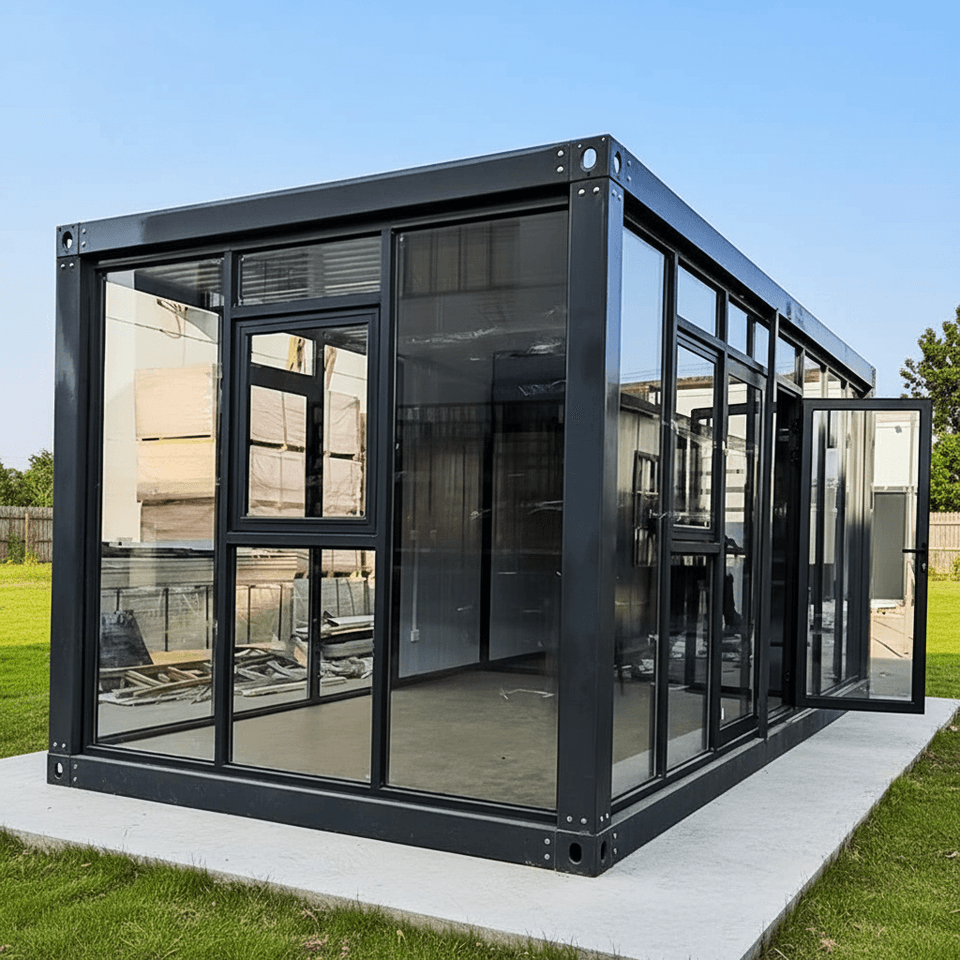
In terms of structural form, mobile portable toilets can be divided into single-unit structures and composite structures. Single-unit mobile toilets are relatively independent with a simple structure, typically suitable for places with limited space or a small demand for toilet numbers, such as some small outdoor event venues. Composite mobile toilets are composed of multiple single units and can meet large-scale toilet demands, often used in large-scale music festivals, sports events, and other occasions.
Based on the mode of movement, there are lifting/handling types and powered/trailer types. Lifting/handling mobile toilets require equipment like cranes for movement and installation, suitable for being transported between relatively fixed locations, for example, from one construction site to another. Powered/trailer mobile toilets have their own power or can be towed by vehicles, offering higher flexibility and able to quickly respond to demands at different locations, commonly used in emergency rescue, tourist attractions, and other scenarios.
Regarding sewage treatment methods, mobile portable toilets also come in various types. Water-flush and waterless suction-type mobile toilets: water-flush types use clean water to flush feces, keeping the toilet clean but requiring a large water tank; waterless suction types use suction equipment to remove feces, suitable for areas with scarce water resources. Recirculating water-flush mobile toilets can recycle and reuse the flushing water, improving water resource utilization. Dry-packing mobile toilets pack feces in biodegradable plastic bags, requiring no water, being easy to handle, and having a small environmental impact.
The characteristics of mobile portable toilets are very prominent. They can be conveniently transported to any place where toilets need to be set up, whether it is remote mountainous areas, vast grasslands, or bustling city streets, and can be quickly set up for use. Moreover, they can be used repeatedly, reducing usage costs. With advantages such as mobility, combinability, and ease of transportation, they provide great convenience for people's lives and various activities.



