
Back to blog
Article
Mobile Homestay Toilet Renovation
Admin October 02, 2026
The renovation of mobile homestay toilets requires a systematic approach to address issues such as aging impermeable layers and inadequate pipeline adaptability, while also meeting the aesthetic and passenger flow demands of the homestay setting. The following plan can be implemented in modules:
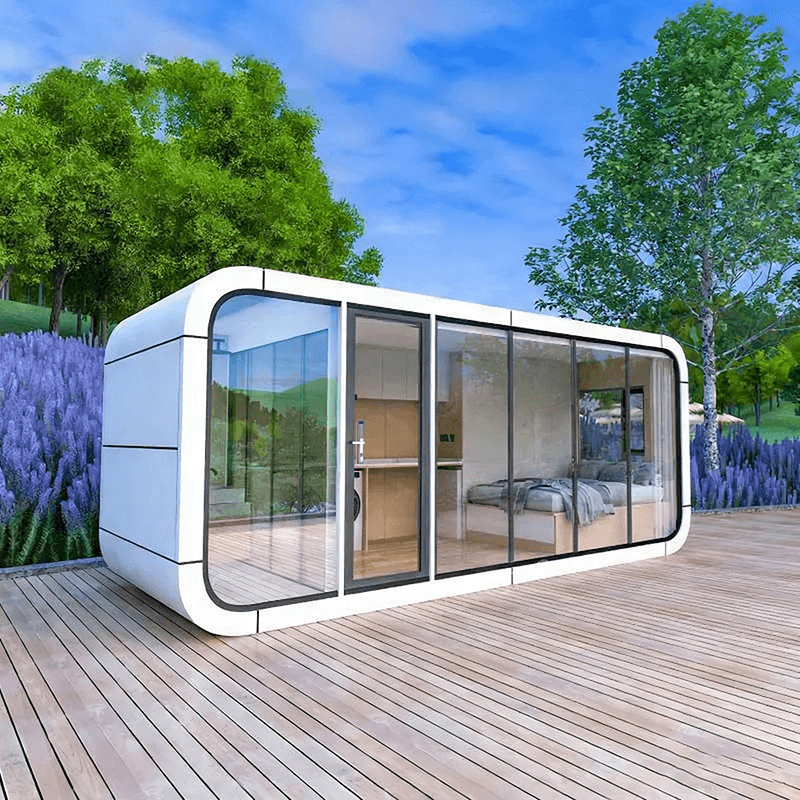
I. Pre-renovation Preparation: Preliminary Survey and Parameter Verification
- Structural Parameter Verification: Measure the thickness of the mobile room's sidewall panels and the distribution of internal load-bearing keels to ensure that the renovation plan does not compromise structural stability. For example, if the sidewall panels are too thin (e.g., <3mm), heavy-duty sanitary fixtures should be avoided or local reinforcement measures should be added.
- Scenario Demand Analysis: The homestay setting requires a balance between aesthetics and passenger flow capacity. For instance, high-traffic areas should use wear-resistant flooring materials (e.g., non-slip tiles) and optimize pipeline layouts to reduce blockage risks.
- Existing Fault Inspection: Conduct a comprehensive inspection of the original toilet's waterproof layer for damage (e.g., at corners and pipeline penetrations), as well as pipeline blockages and corrosion (e.g., replace drainage pipes if the inner wall scale thickness exceeds 2mm), and compile a fault list.
II. Basic Impermeable and Floor System Upgrade
- Substrate Preparation: Remove damaged sanitary fixtures and aged flooring materials from the original floor down to the base panel layer, and clean the surface of dust and oil. Fill and seal cracks in the panel (width >0.5mm) with single-component polyurethane sealant to ensure impermeability.
- Anti-crack Reinforcement Layer Construction: Apply a 15-centimeter-wide polyester fabric at the joint between the sidewall and floor to form an anti-crack reinforcement layer, preventing waterproof layer cracking due to structural settlement.
- Waterproof Layer Application: Apply a 2mm-thick hand-applied polyurea waterproof coating overall (extend the waterproof layer on shower area walls up to 1.8 meters). Polyurea material offers high elasticity and aging resistance, adapting to slight deformations of the mobile room.
- Water Closure Test: After the waterproof layer is dry (typically 24-48 hours), conduct a 24-hour water closure test to ensure no water leakage before laying the flooring materials.
III. Upgraded Solution for Anti-corrosion Wood Mobile Toilets If anti-corrosion wood is chosen, pay attention to the following points:
- Anti-corrosion Treatment Process: Prioritize wood treated with C4-level anti-corrosion treatment (impregnation method), with a preservative penetration depth of ≥6mm, effectively resisting outdoor humidity and sun exposure.
- Project Case Matching: For example, Chongqing Rongdong Technology Co., Ltd.'s anti-corrosion wood mobile toilets offer a wide range of products and can provide customized designs (e.g., antique style, modern minimalist style) tailored to homestay settings, along with installation services.
- Service Response Mechanism: Choose manufacturers that offer a closed-loop process from scheme design to after-sales maintenance to ensure long-term worry-free use after renovation.



