
Mobile Homestay Toilet
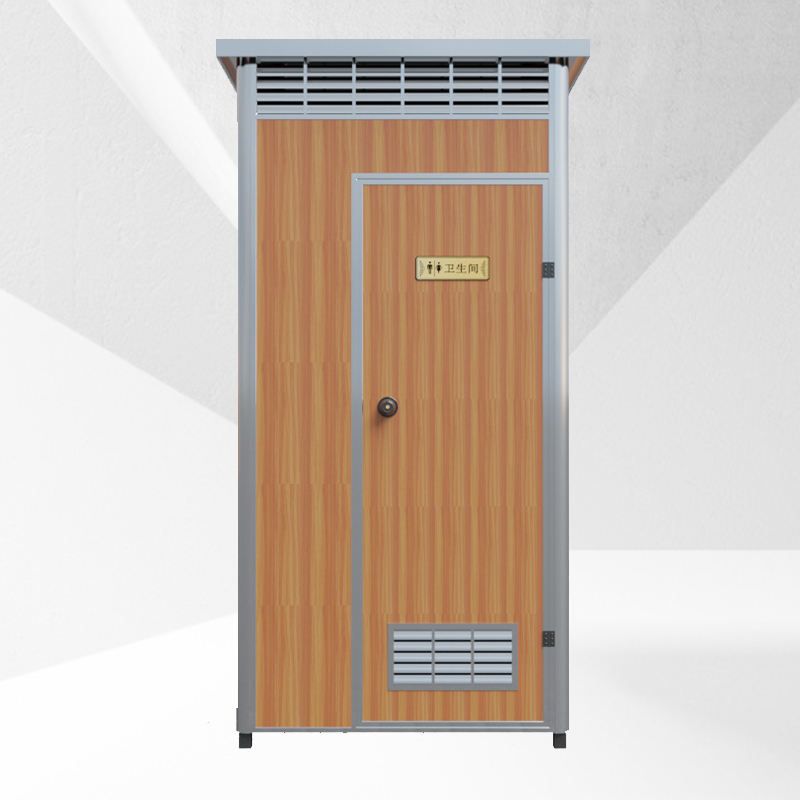
The mobile homestay toilet is a type of application scenario for mobile toilets, typically provided with full-process services by comprehensive enterprises. It features diverse structures and environmental adaptability.
I. Basic Definition and Supply Enterprises
The mobile homestay toilet falls under the细分应用场景 (specific application scenario) of mobile toilets, primarily serving scenarios such as homestays and scenic campsites that require flexible deployment of sanitation facilities. Its supply is usually completed by comprehensive enterprises with capabilities in research and development, design, production, sales, and service. For example, Wuhan Jintongchuang Technology Development Co., Ltd. offers products including mobile restrooms, mobile toilets, and integrated mobile homestay houses, along with full-process personalized services from scheme design to implementation.
II. Structural Composition and Classification
The core structure of a mobile toilet includes a fecal sewage storage tank (or disposal device), flooring, sanitary fixtures, walls, washing equipment, water tanks, roofs, and mobile devices. Based on structural form, it can be classified into single-unit structures (independent units) and composite structures (multi-unit combinations). According to mobility, it can be divided into lifting/handling types (requiring external equipment for movement) and powered/trailer types (with built-in power or capable of being towed). Based on sewage treatment methods, it can be categorized into water-flush types (relying on water for flushing), waterless suction types (using vacuum pumps to suction feces), recirculating water-flush types (purifying and recycling sewage), and dry-pack types (using biodegradable bags to collect feces without the need for water).
III. Material and Design Features
Some mobile homestay toilets use lightweight materials such as metal carved panels, which reduce weight for easier movement while enhancing structural strength. In terms of environmental design, integrated thermal insulation layers can adapt to extreme climates, solar power systems reduce reliance on traditional energy sources, and some models are equipped with rainwater collection devices to supplement water usage. These designs enable rapid deployment in scenic spots, campsites, construction sites, and other scenarios with minimal environmental impact.
IV. Typical Application Scenarios
The flexibility of mobile homestay toilets makes them the preferred choice for scenic spots, campsites, temporary event venues, and homestays in remote areas. For example, in mountainous scenic areas without municipal sewage networks, dry-pack toilets can avoid sewage discharge issues; on construction sites, powered trailer toilets can move with the progress of the project; in seasonal campsites, single-unit toilets can be quickly disassembled and reassembled, reducing operational costs.



