
Mobile Fecal Tank Toilet
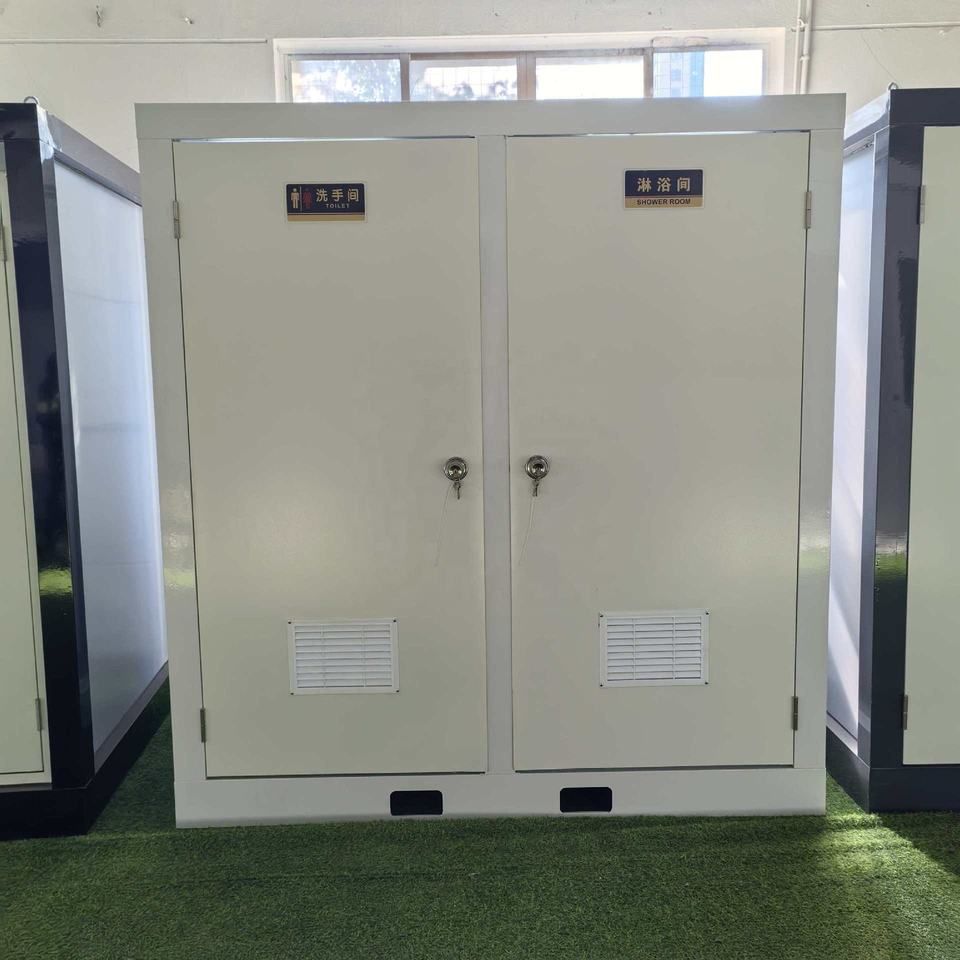
A mobile fecal tank toilet is a portable restroom facility suitable for both fixed and temporary locations, commonly found in stations, docks, tourist attractions, and other places.
Structural Composition
A mobile fecal tank toilet typically consists of a fecal sewage storage tank (or disposal unit), flooring, sanitary fixtures, walls, washing facilities, a water tank, a roof, and a mobile unit. Its core design revolves around "portability" and "self-sufficiency," with some models operating independently without the need for external septic tanks, water, or electricity, relying on built-in fecal tanks and water tanks. For example, toilets made of high-density polyethylene can last more than 20 years, featuring foot-operated flushing squat toilets and an integrated design of the fecal tank and water tank, reducing reliance on external resources. Another model, made of polyethylene plastic, measures 1.1 meters in length and width and 2.3 meters in height, equipped with an adjustable gender indicator at the entrance and a foot-operated squat toilet combined with a fecal tank inside, facilitating rapid deployment and cleaning.
Materials and Types
The choice of materials directly affects the durability and suitability of the toilet for different scenarios. Common materials include:
- High-density polyethylene: Corrosion-resistant and aging-resistant, suitable for long-term outdoor use, with some products lasting over 20 years through special processing.
- Polyethylene plastic: Lightweight and cost-effective, easy to transport and install, commonly used in temporary events or emergency scenarios.
- 304 stainless steel: Structurally stable with excellent rust resistance, suitable for high-humidity or coastal areas, with some models featuring packaged squat toilets and fecal storage tanks, operating without water or electricity and requiring only regular fecal tank cleaning for maintenance.
Functional Characteristics
The core advantages of mobile fecal tank toilets lie in their "independence" and "flexibility":
- Waterless and electricity-free operation: By utilizing foot-operated flushing or packaged designs, they reduce reliance on external resources, making them suitable for water-scarce, power-outage, or remote areas.
- Rapid deployment and mobility: Modular structures and mobile units (such as wheels and lifting interfaces) support quick installation, disassembly, and transportation, meeting the needs of temporary events or emergencies.
- Environmental protection and hygiene: Sealed fecal tank designs prevent odor leakage, with some models equipped with deodorization devices or biodegradation technology to reduce environmental pollution risks.
Application Scenarios
Their applications are widespread, covering transportation hubs (such as stations and docks), tourist attractions, construction sites, disaster relief, and other scenarios. For example, during peak tourist seasons, scenic spots can alleviate restroom pressure by adding mobile fecal tank toilets; after disasters, their independent operation capability can provide temporary sanitation facilities for affected areas.



