
Mobile Factory Toilet
A mobile factory toilet is a facility that can be moved as a whole and installed in factories and other places to provide toilet services for workers.
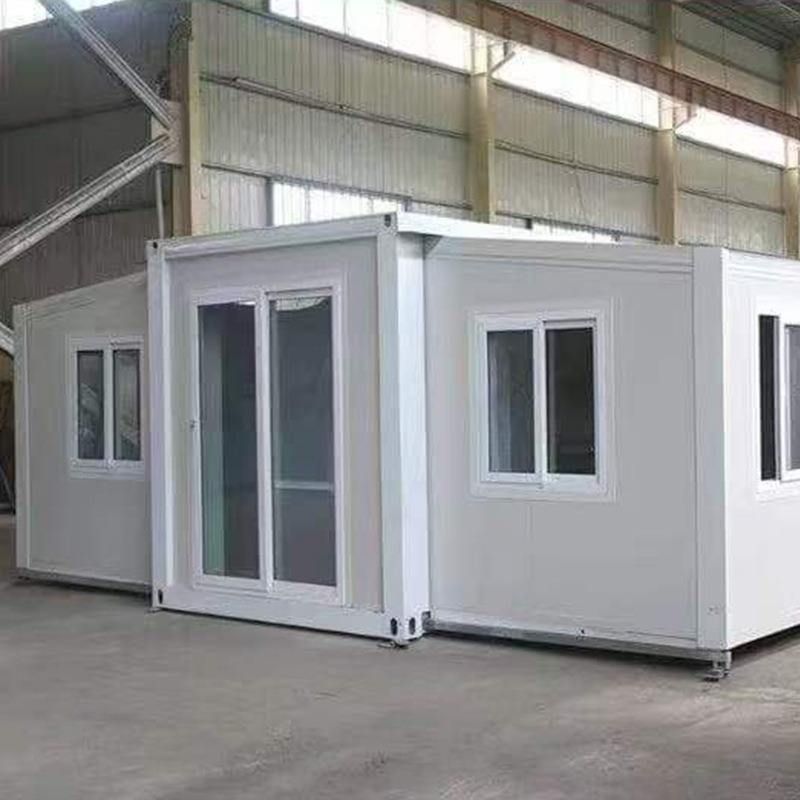
I. Basic Composition Mobile toilets are generally composed of fecal sewage storage tanks (or fecal sewage treatment devices), floor slabs, sanitary ware, walls, washing equipment, water tanks, roofs, and mobile devices. These components work together to ensure the basic functions of the toilet are realized, such as the storage or treatment of feces, the provision of clean water, and the protection of the privacy and safety of users.
II. Classification Methods
- By structural form: They can be divided into single-structure mobile toilets and composite-structure mobile toilets. Single-structure toilets are relatively simple and suitable for places with limited space or a small demand for the number of toilets; composite-structure toilets are more complex and may contain multiple functional areas to meet the usage needs of more people.
- By moving method: They are classified into lifting and handling mobile toilets and powered and trailer-mounted mobile toilets. Lifting and handling mobile toilets usually require lifting equipment or manual handling for movement; powered and trailer-mounted mobile toilets can be moved by vehicle traction or their own power, making them more flexible and convenient.
- By sewage treatment method: They are divided into water-flush and non-water-flush suction mobile toilets, circulating water-flush mobile toilets, and dry-packing mobile toilets. Water-flush and non-water-flush suction mobile toilets require regular cleaning of fecal sewage; circulating water-flush mobile toilets purify and reuse water through a circulation system, saving water resources; dry-packing mobile toilets pack and treat feces without the need for water, making them suitable for water-scarce areas.
III. Features and Advantages Mobile factory toilets have the characteristics of being easily transported to the places where they need to be installed and can be used repeatedly. They also have the advantages of being movable, combinable, and easy to transport, allowing for flexible adjustment and layout according to the actual needs of the factory. Whether in fixed locations or temporary construction sites, they can be quickly set up and provide toilet services. For example, a customer in Zhejiang customized mobile toilets for factory workers, reasonably setting the number of squatting positions according to the male-to-female ratio, and was able to complete the project within 4 days in an urgent situation, fully demonstrating the advantages of customization and high efficiency.



