
Mobile Environmental Toilet Renovation Design
The renovation design of mobile environmental toilets requires comprehensive consideration of multiple factors, including appearance, facilities, technology, materials, systems, and modularity.
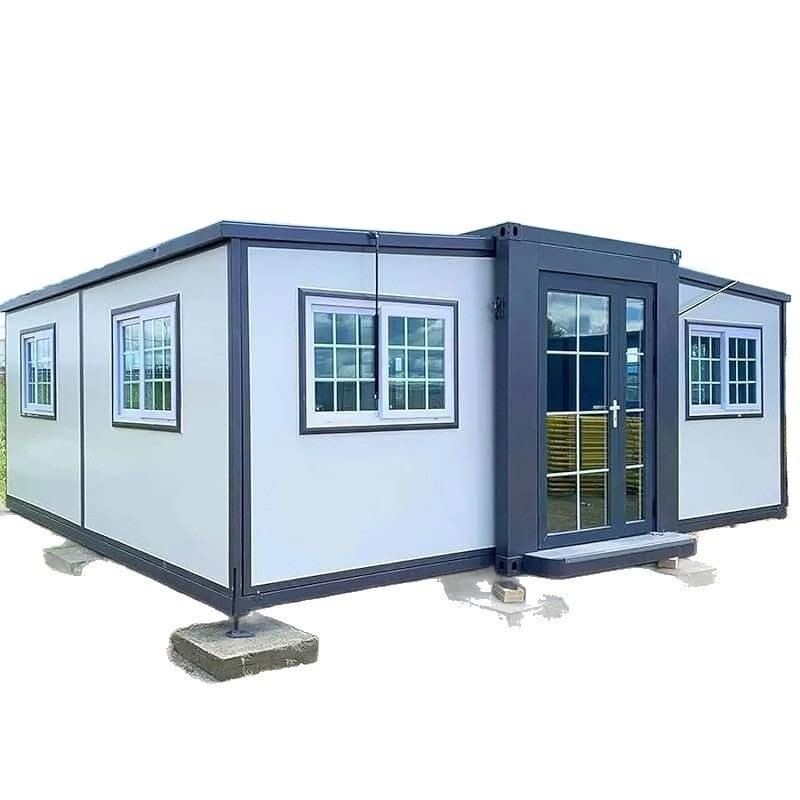
Appearance and Color Design: The renovated mobile environmental toilets should emphasize aesthetic enhancement, using soft tones as the base color, with dark colors outlining the edges and accentuating local areas, creating a harmonious and elegant overall color scheme that naturally blends into the surrounding environment and enhances visual appeal.
Internal Facility Upgrades:
- Add a third restroom to meet the special needs of the elderly and families with children, reflecting humanized design.
- Introduce the concept of a "sanitation station," equipped with facilities such as refrigerators, shower rooms, microwaves, and charging ports, providing rest and convenience spaces for sanitation workers and enhancing social service functions.
- Adopt an independent toilet pit partitioned treatment system, where the urine channel utilizes gravity flow, and the feces channel is cleaned by a piston-type scraper mechanical device, equipped with non-slip floors, automatic flushing toilets, and ventilation and lighting systems to ensure comfort and hygiene during use.
Sewage Treatment and Water-Saving Technologies:
- Recirculating flush type: Equipped with intermittent aerobic and anaerobic treatment devices, adding biological strains and utilizing biofilm technology to accelerate the decomposition of fecal sewage. The treated water can be recirculated for flushing, achieving efficient water resource utilization.
- Dry packing type: Without a water flushing device, excreta is collected by biodegradable plastic bags, which are automatically replaced and collected for centralized treatment after use, suitable for water-scarce areas or temporary use scenarios.
- Intelligent water-saving type: By automatically collecting urine and hand-washing water and adding water-saving special agents, it achieves a flushing effect of approximately 0.46 liters per person, significantly reducing water consumption.
Material Selection and Structural Characteristics:
- Exterior wall materials can be selected according to customer requirements or the surrounding environment of the usage location, including color steel plates, metal carved plates, anti-corrosion wood, stainless steel plates, and aluminum-plastic plates, balancing aesthetics and durability.
- The main structure adopts national standard light steel keel welding, meeting the requirements for overall hoisting, facilitating transportation and installation.
- Standard configurations include toilets (urinals), coat hooks, vanity mirrors, paper baskets, lighting fixtures, exhaust fans, door locks, and occupancy indicator lights, ensuring basic usage functions.
- Optional configurations such as heating and cooling air conditioners, air purifiers, freeze protection systems, heating systems, background music, hand basins, and water-saving faucets can be customized according to actual needs.
Intelligent Control System and Insulation System: Mobile environmental toilets adopt intelligent control systems and insulation systems, which are scientific and safe, and are equipped with upper and lower water tanks. By adding water-saving special agents, they achieve a low-water flushing effect, enhancing convenience and energy efficiency.
Modular Design and Flexibility: Environmentally friendly mobile toilets adopt a modular design, allowing dynamic adjustment of positions based on pedestrian density, suitable for large event venues, transportation hubs, or temporary construction areas, meeting usage needs in different scenarios.



