News on Mobile Environmental Toilets
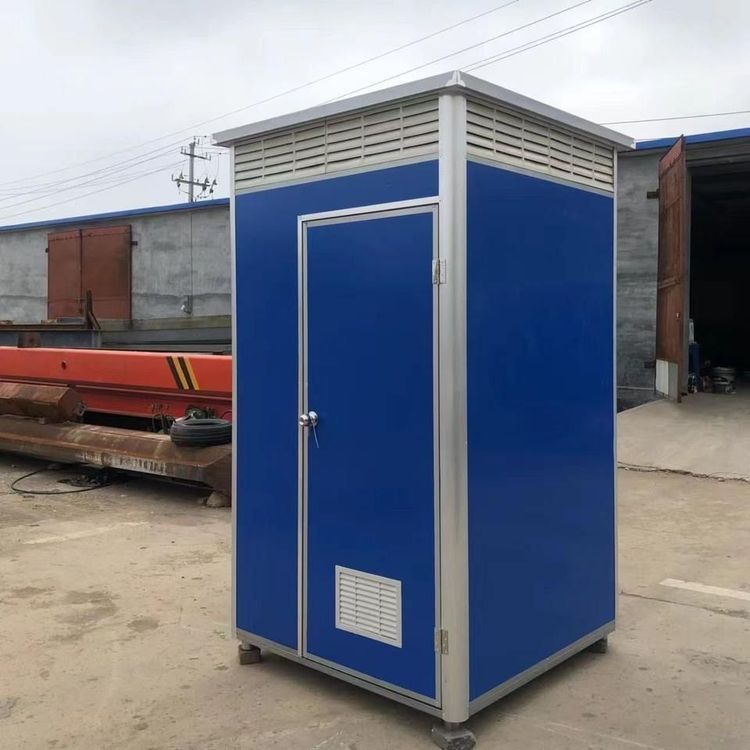
News related to mobile environmental toilets covers technological innovations, unexpected incidents, and application practices in different regions.

In terms of technological innovation, mobile environmental toilets integrate various advanced technologies. For example, public environmental mobile toilets employ vacuum negative pressure flushing technology, with a single flush volume only one-tenth that of traditional water-flush toilets, significantly saving water resources. Foam sealing technology uses surfactants to form a sealing layer, further reducing water consumption. In terms of materials, the casing is made of polymer composite materials, which are corrosion-resistant and lightweight. Some models are also filled with phase-change energy storage materials, reducing internal temperature fluctuations by more than 40%. The sewage treatment module uses immobilized microbial technology, and the treated gray water can meet the water quality standards for urban miscellaneous water, allowing direct use for greening irrigation or road cleaning. For energy supply, solar photovoltaic panels and cogeneration units form a complementary system, and the integration of IoT technology has transformed the operation and maintenance model. Some mobile restrooms in Beijing use solid-liquid separation devices to separate liquid and solid waste for separate treatment. The liquid is treated by a multi-layer biofilm reactor and reused for flushing, while the solid is converted into dry particles through low-temperature pyrolysis for biogas fermentation and power generation. Flexible photovoltaic films are installed on the roof, with a photoelectric conversion efficiency of about 18%, prioritizing power supply for equipment operation. Odor control employs liquid-sealed valves and photocatalytic oxidation modules, with a removal efficiency of about 95%.
Regarding unexpected incidents, on a century-old bridge in Seville, Spain, a mobile toilet fell from the top of the bridge's pylon and landed on the central lane of the highway, with 'fecal water' splashing out. This incident raised concerns about the safety of mobile toilets.
In terms of regional applications, Shaanxi promotes 'ecological toilets' that are waterless and odorless, using aerobic fermentation processors to remove odors through passive air extraction ducts. Villagers report that these toilets are more convenient than water toilets, save water resources, and have low maintenance costs, driving a shift from 'being forced to change' to 'wanting to change,' effectively improving the quality of rural life.