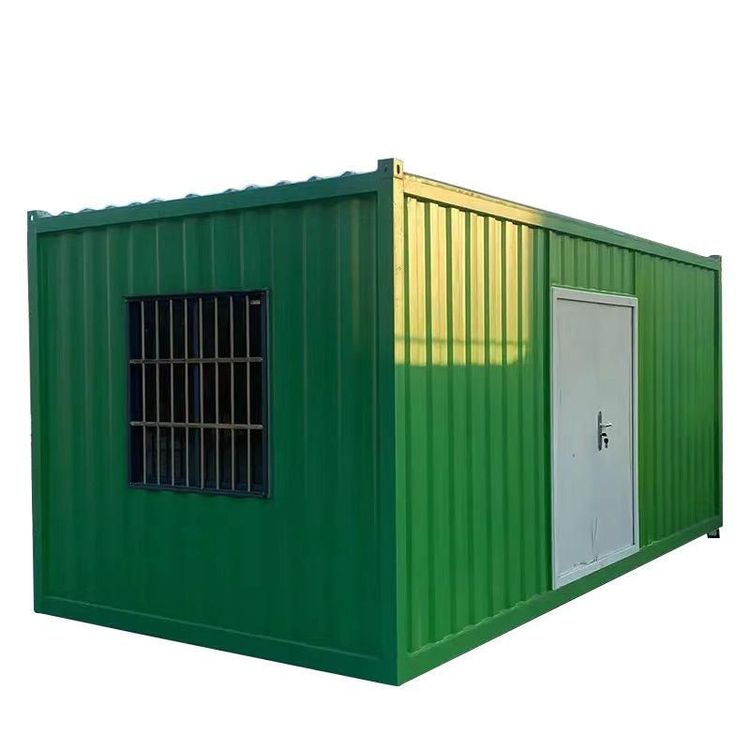
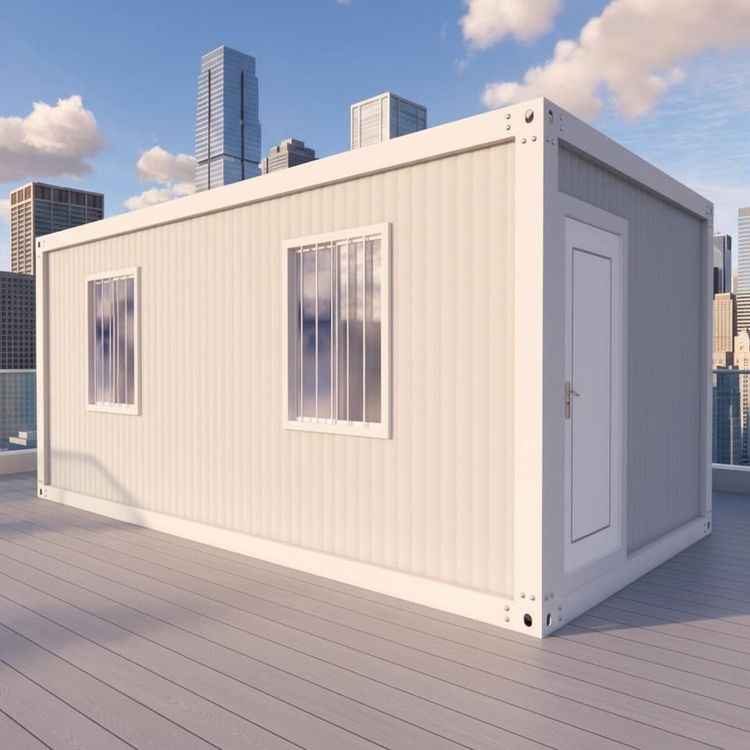
Xianning Mobile Environmental Toilet Inspection
The inspection of mobile environmental toilets in Xianning covers five major aspects: structural strength, material durability, hygiene performance, convenience and comfort, and environmental performance, as detailed below:

1. Structural Strength and Stability Inspection
This inspection focuses on the physical safety of mobile toilets, including frame strength testing, overall stability assessment, and foundation bearing capacity verification. The frame must pass pressure tests to ensure it remains undeformed during transportation and installation. Overall stability testing simulates anti-overturning capabilities under different ground conditions (such as soft soil and slopes). Foundation bearing capacity testing verifies whether it can stably support the toilet's weight and usage loads, preventing structural damage due to foundation settlement.
2. Material Durability Inspection
Material performance directly affects the toilet's service life. Corrosion resistance testing evaluates the shell's ability to resist corrosion in humid or chemically contaminated environments. Weather resistance testing simulates extreme climates such as high temperatures, low temperatures, and ultraviolet radiation to detect material aging rates. Fire resistance testing must comply with national flame-retardant standards to ensure controllable fire risks. For example, shell materials must pass salt spray tests to verify rust resistance, and internal facilities must pass combustion tests to confirm flame-retardant ratings.
3. Hygiene Performance Inspection
Hygiene performance is a core indicator, covering sewage systems, ventilation systems, disinfection and deodorization equipment, and cleaning difficulty. Sewage systems must be tested for pipeline sealing to prevent sewage leakage. Ventilation systems must ensure adequate air circulation rates to avoid odor accumulation. Disinfection equipment (such as ultraviolet lamps and spray devices) and deodorization equipment (such as activated carbon filters) must have their actual effects verified. Cleaning difficulty testing assesses whether the internal structure facilitates daily maintenance, such as dead-end-free designs and removable panels.
4. Convenience and Comfort Inspection
User experience is evaluated through spatial design, equipment operability, lighting, and slip-resistant flooring. Spatial design must meet ergonomic standards to ensure users can move freely. Equipment operation must be simple and intuitive, with flush buttons and door locks conforming to common usage habits. Lighting systems must be tested for brightness uniformity and energy consumption. Slip-resistant flooring must pass friction coefficient tests to reduce slip risks, especially in wet conditions.
5. Environmental Performance Inspection
Environmental performance includes wastewater treatment effectiveness, energy consumption, and material environmental friendliness. Wastewater must be treated to meet discharge standards to avoid environmental pollution. Energy consumption testing assesses the power consumption of lighting, ventilation, and other equipment. Material environmental friendliness must confirm the absence of harmful substances (such as formaldehyde and heavy metals) and high recyclability. For example, some toilets use biodegradation technology to treat waste, reducing water consumption.
Additionally, when selecting mobile toilets for events like the Xianning Marathon, attention should be paid to capacity matching, hygiene standards, and compliance certifications. Preference should be given to local merchants with environmental protection department inspection reports to ensure rapid response, transparent pricing, and after-sales support.