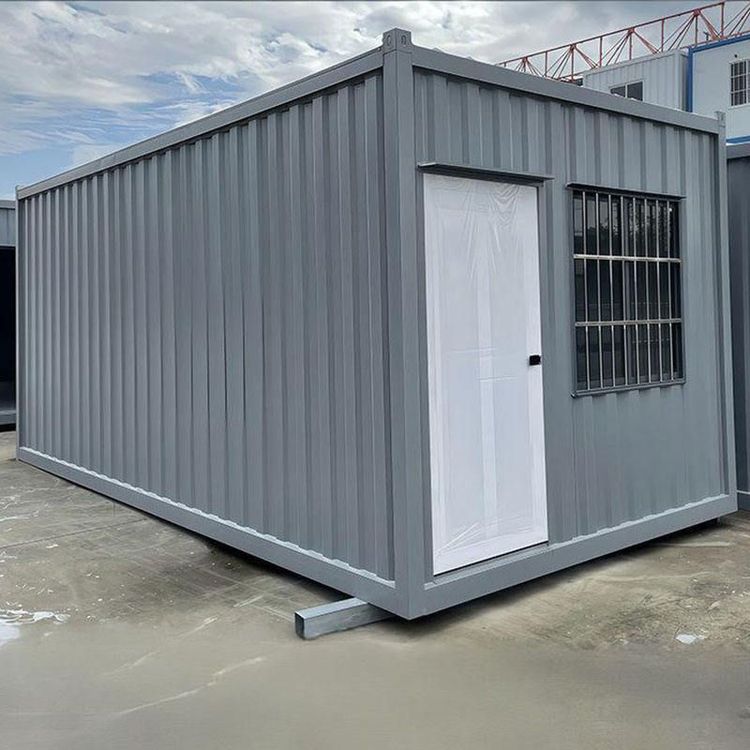
Mobile Environmental Toilet Management
The management of mobile environmental toilets requires a comprehensive approach covering equipment maintenance, environmental adaptation, intelligent monitoring, and resource allocation. The specific key points are as follows:

1. Water Source and Water Quality Management Flush-type mobile toilets rely on a stable water supply. It is necessary to select clean water sources according to regional water quality differences and ensure that the water pressure meets flushing requirements. Poor water quality may lead to pipeline blockages or equipment corrosion, while insufficient water pressure affects flushing effectiveness. It is recommended to install water quality filtration devices and regularly test the cleanliness of the water source to prevent impurities from entering the system.
2. Winter Freeze Protection and Equipment Protection In low-temperature environments, it is essential to activate freeze protection facilities such as heating cables (10w/meter) and electric heaters (300w) in advance to prevent pipeline freezing. If the toilet is not in use during winter, it is crucial to completely drain the water from the water tank, inlet pipes, sinks, and squat toilets to avoid the risk of freezing and cracking. Inadequate freeze protection measures may result in pipeline ruptures, leading to high repair costs.
3. Electrical Configuration and Safety Select appropriate wire specifications based on equipment power (e.g., exhaust fans at 20w and lighting at 20w) to prevent overloading and potential fires. High-power equipment such as electric heaters should be wired independently and equipped with leakage protection devices. Regularly inspect the aging of electrical circuits, paying special attention to the insulation performance at joints to ensure electrical safety.
4. Sewage Pipeline Maintenance Regularly (every 20 days in winter and every 60 days in summer) flush the toilet bowls and sewage pipelines with high-pressure water guns to prevent blockages caused by feces and toilet paper. In summer, increase the flushing frequency to reduce odors, while in winter, ensure that residual water is drained promptly after flushing. Delayed handling of blockages can lead to sewage overflow, polluting the environment and affecting usability.
5. Hoisting Sealing and Structural Stability After hoisting is completed, check the tightness of the lifting points and reapply sealant at the joints to prevent rainwater infiltration, which could damage the internal electrical circuits. Regularly inspect the stability of the toilet's main structure to avoid tilting or water leakage caused by uneven ground or external impacts.
6. Intelligent Monitoring and Remote Management Toilets equipped with PLC data acquisition systems, toilet occupancy monitors, and 4G modules can be monitored in real-time via a mobile app for usage frequency, sewage storage capacity, and equipment status. Managers can remotely control lighting and flushing systems, enabling on-demand maintenance, reducing the frequency of manual inspections, and improving management efficiency.
7. Flexible Allocation and Resource Optimization Leverage the mobility of mobile toilets to dynamically adjust their layout based on pedestrian density (e.g., during tourist seasons or large events) to alleviate toilet pressure. For example, additional toilets can be installed at scenic spot entrances or temporary event areas to avoid waste caused by fixed facilities due to site changes, achieving efficient resource utilization.