
Mobile Environmental Toilet Door Images
Currently, specific images of mobile environmental toilet doors cannot be provided directly, but a popular science introduction to their common types and design features can be offered.
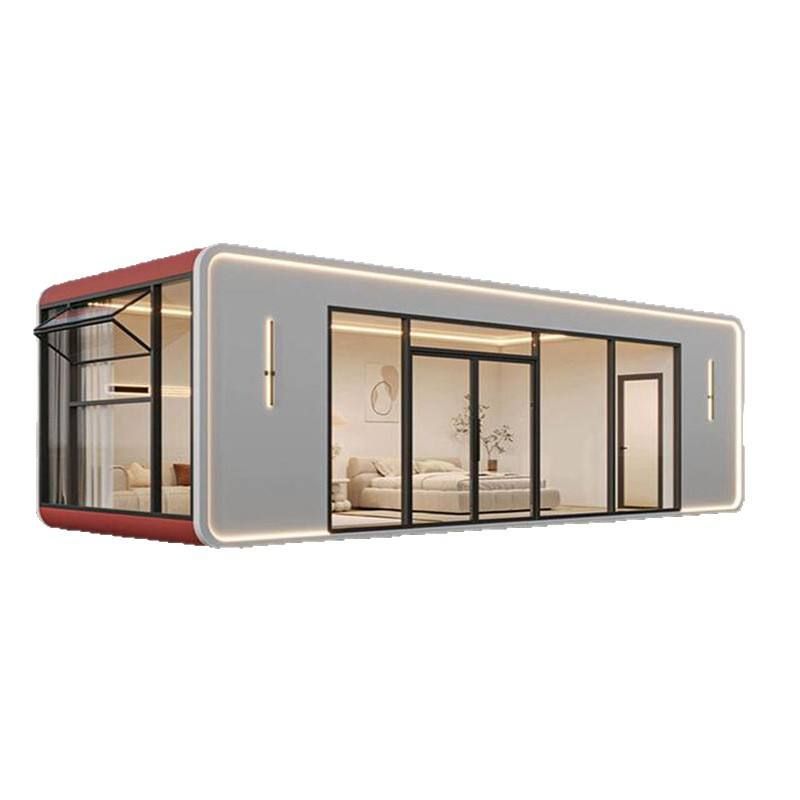
The design of mobile environmental toilet doors is usually closely related to the overall function, usage scenario, and environmental protection concept of the toilet. Common types of mobile environmental toilet doors include swing doors and sliding doors, which are designed to meet usage needs in different environments while considering aesthetics and practicality.
Swing Doors: Swing doors are a relatively common type in mobile environmental toilets. Their design is simple and easy to open, suitable for places with relatively large spaces. Swing doors are usually made of durable materials such as metal or plastic, providing good sealing and corrosion resistance, effectively isolating odors and preventing mosquitoes and other insects from entering. Additionally, swing doors can be equipped with locks as needed to enhance safety during use.
Sliding Doors: Sliding doors are more suitable for places with limited space, such as narrow streets or temporary event sites. The design of sliding doors saves opening space, maximizing the usable area inside the toilet. At the same time, sliding doors are usually made of lightweight materials, facilitating movement and installation. Some high-end mobile environmental toilets are also equipped with automatic sensing devices on sliding doors to enable automatic opening and closing, enhancing the user experience.
In addition to the choice of door type, the design of mobile environmental toilet doors also emphasizes environmental protection and energy efficiency. For example, some toilet doors are made of recyclable materials to reduce environmental impact; at the same time, the design of the doors also considers ventilation and lighting needs, achieving natural ventilation and lighting inside the toilet through reasonable layout and material selection, thereby reducing energy consumption.
The design of mobile environmental toilet doors also reflects humanistic care. For example, the height and width of the doors are designed according to ergonomic principles to ensure that people of different heights and body types can use them conveniently; the opening force of the doors is also carefully adjusted to ensure that they are neither too heavy to open nor too light and unstable.



