Mobile Emergency Toilet Drainage
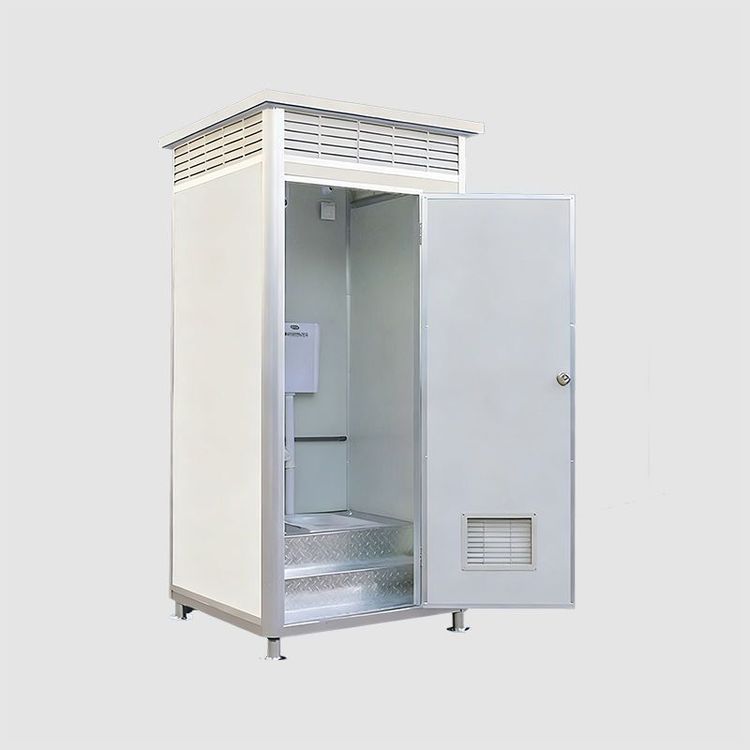
The drainage methods of mobile emergency toilets vary depending on their types, mainly including no drainage, suction removal, internal circulation treatment, and transfer treatment.

Waterless and non-flushing toilets: These toilets completely break free from the constraints of water supply networks. They are equipped with composite microbial communities inside. When people use the toilet, the excreta directly falls into a device containing these microbial communities and is treated through biological degradation. The entire process does not require water for flushing, so there is no drainage issue. It is a very environmentally friendly toilet type suitable for water-scarce areas.
Dry-packing mobile toilets: These toilets are mainly suitable for extreme environments without water and electricity. They use a special packing device to pack the excreta. The packed excreta is sealed and will not leak into the surrounding environment. Since the entire treatment process does not involve the use of water, there is no need for drainage operations, making them convenient for use and movement in various complex environments.
Water-flushing and non-water-flushing suction-type mobile toilets: Some models of these toilets are equipped with small freshwater tanks or can be connected to external water sources. After people use the toilet, fresh water is used for flushing or hand washing to maintain basic hygiene operations. The generated waste is stored in a waste tank inside the toilet. When the waste tank is almost full, a special suction vehicle is used to suck the waste away. Although water is used in this method, the drainage is completed by the suction vehicle, and the toilet itself does not need to be equipped with drainage pipes.
Recirculating water-flushing mobile toilets: These toilets may treat sewage through an internal water circulation system. They collect the used sewage and then subject it to a series of filtration and purification processes to purify the sewage before recycling it for operations such as toilet flushing, thus greatly reducing water consumption. The drainage mainly occurs within the internal circulation system.
Other types: Some mobile toilets' waste storage tanks are equipped with degradation agent addition ports or preliminary solid-liquid separation designs. Degradation agents can inhibit bacterial growth and odor production, while solid-liquid separation can initially separate the solid and liquid components of the excreta. Finally, these stored excreta will be transferred by special vehicles to appropriate treatment sites for processing.