Mobile Double-Row Toilet
The mobile double-row toilet is a sanitary facility specifically designed for outdoor public places. It features two independent compartments, each equipped with a sink, making it suitable for use in streets, communities, scenic spots, and can also be used in temporary construction sites or rural renovation projects.

Structure and Materials
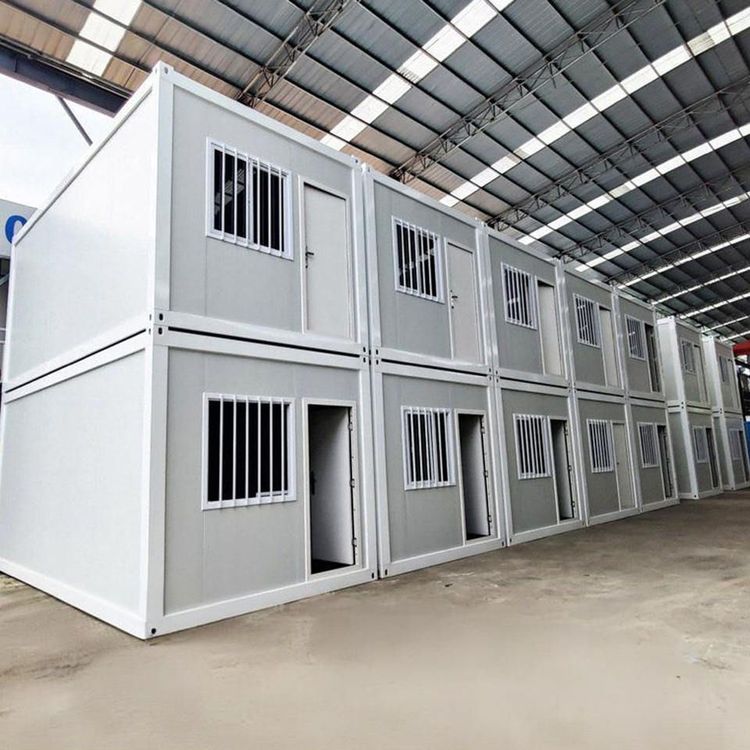
The overall structure of the mobile double-row toilet typically employs a steel-welded frame, reinforced at the bottom with channel steel or I-beams, and supported by square steel columns to ensure overall stability. The wall materials are diverse, including color-coated steel plates, metal carved panels, aluminum-plastic panels, or anti-corrosion wood. Among them, metal carved panels are often preferred for their combination of aesthetics and durability; anti-corrosion wood is more suitable for scenarios with higher requirements for a natural style. Some high-end models feature a double-layer wall structure with thermal insulation material filled in between to enhance freeze resistance in winter.
Functional Configuration
Each compartment is independently set up and equipped with basic sanitary facilities such as a toilet (either a Western-style toilet or a squat toilet), a sink, and a mirror. The sinks usually adopt a water-saving design, and some models are equipped with sensor-activated faucets to reduce contact contamination. The sewage disposal system is divided into direct-discharge and storage types: the direct-discharge type requires connection to municipal sewage pipes and is suitable for fixed locations; the storage type collects waste in an internal sewage tank that needs regular cleaning and is more suitable for temporary or mobile scenarios. Additionally, some models are equipped with a ventilation system that maintains air circulation and reduces odors through top exhaust fans or natural ventilation openings.
Installation and Usage Scenarios
The installation method is primarily hoisting, where the entire structure is lifted to the designated location by lifting equipment and secured to the ground with expansion bolts at the bottom to ensure wind resistance. Its mobility makes it suitable for various scenarios:
- Temporary construction sites: Meeting short-term needs in areas with a dense concentration of construction workers;
- Rural renovation: Serving as an alternative to traditional dry toilets to improve sanitary conditions;
- Public events: Providing temporary services in scenic spots, exhibitions, or fairs with high pedestrian traffic.
Maintenance and Precautions
Regular cleaning of the sewage tank is a crucial maintenance task. Storage-type toilets need to be cleaned every 1-3 days depending on usage frequency to prevent overflow. In winter, freeze prevention measures should be taken, such as draining water from the pipes, wrapping them with thermal insulation materials, or adding antifreeze to prevent pipe breakage. Additionally, metal components should be regularly inspected for anti-corrosion coatings and promptly repainted to extend their service life.
Appearance and Design
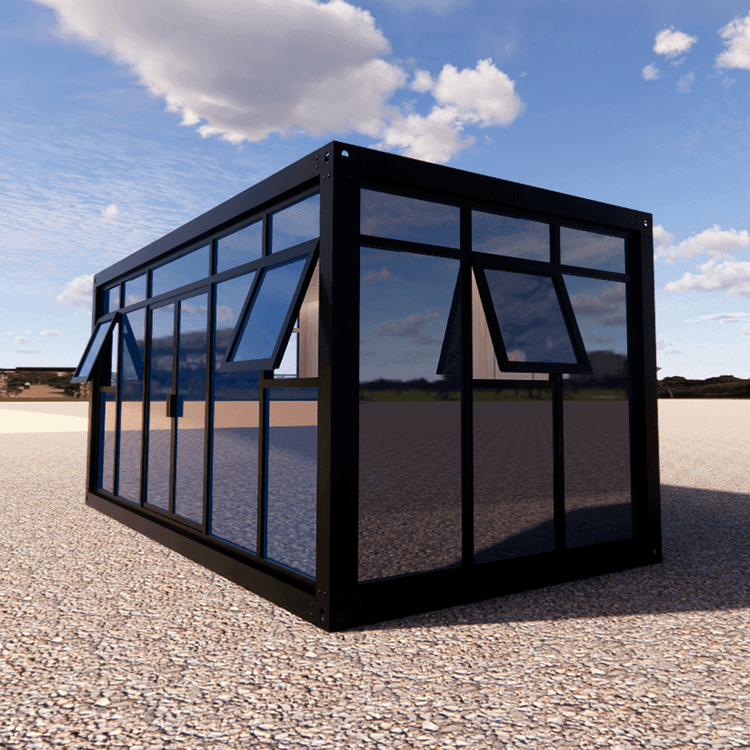
Some models focus on外观设计 (external design, here translated as 'appearance design' for clarity), adopting a simple and modern style. The wall color can be customized to blend in with the surrounding environment. The internal facilities are reasonably laid out with high space utilization, ensuring user comfort and convenience.