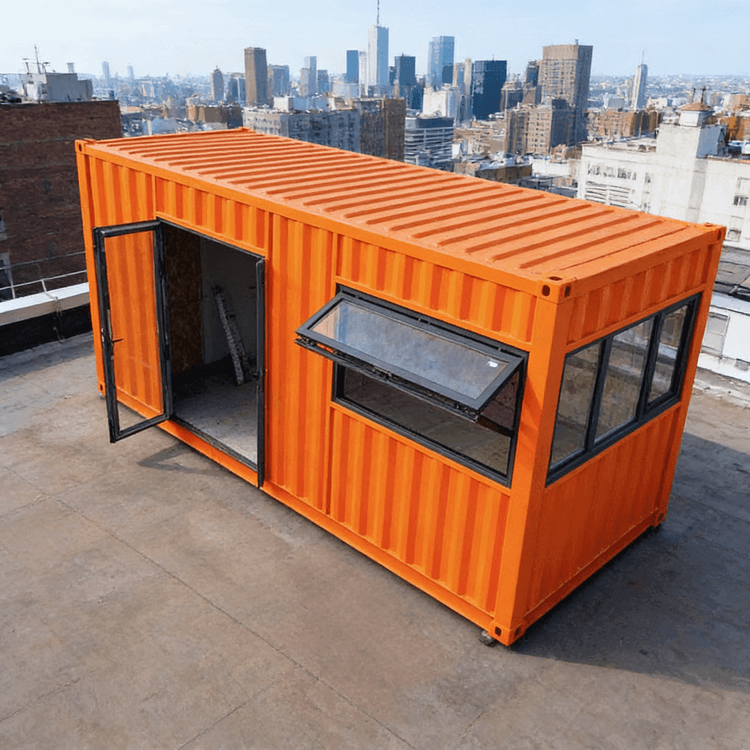
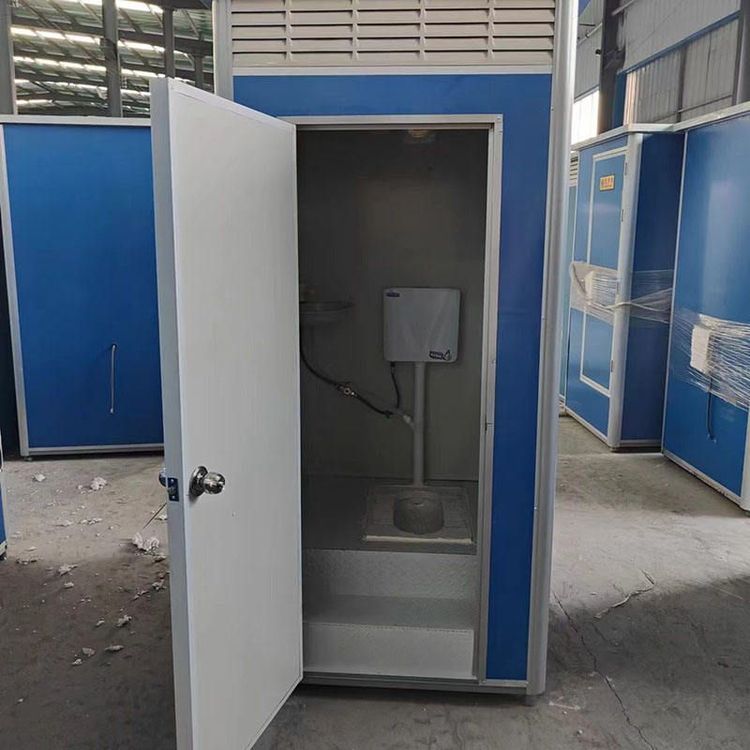
Mobile Disinfection Toilet
The mobile disinfection toilet is a sanitation facility with flexible deployment, rapid activation, and independent operation capabilities, suitable for public health and emergency response scenarios. Its technological implementation and core value are reflected in the following aspects:
1. Application of Material Science to Enhance Sanitary Performance
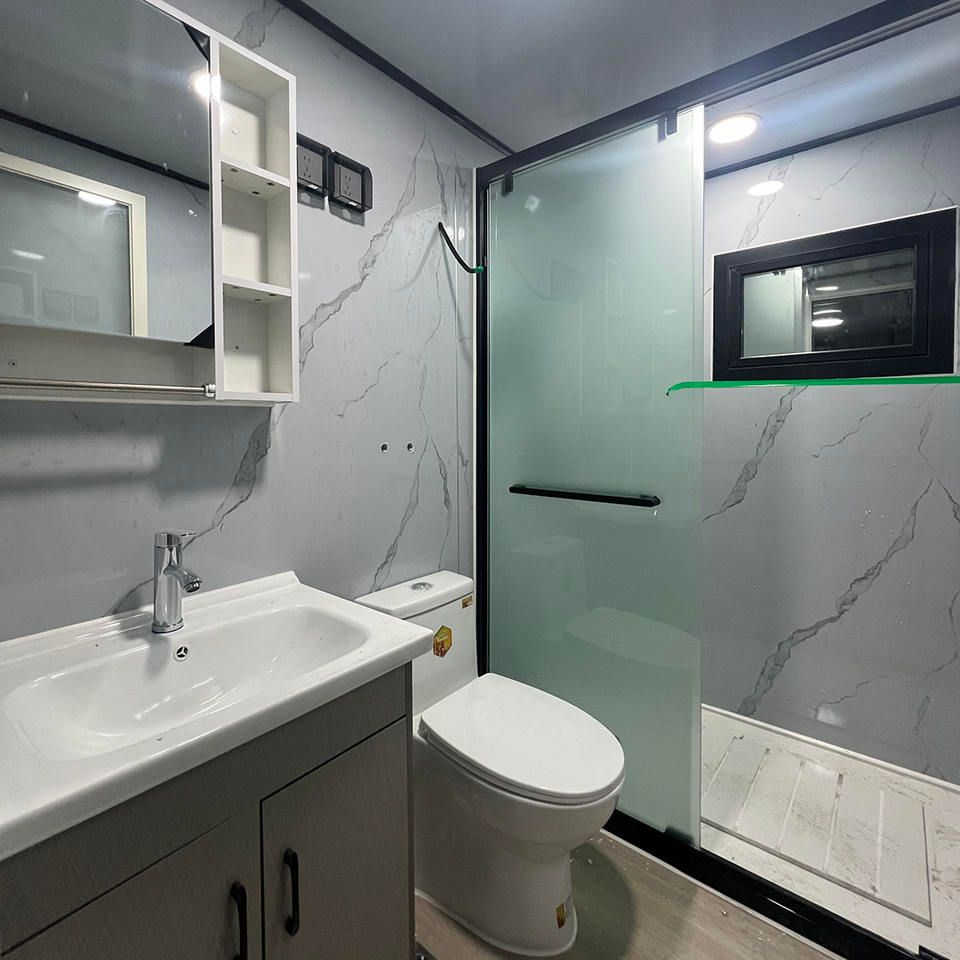
The toilet body is mostly made of polymer composite materials (such as high-density polyethylene or fiberglass-reinforced plastic). The dense surface effectively reduces microbial attachment, facilitating easy cleaning and disinfection. Some products achieve self-cleaning functions through nanocoating technology, reducing stain residue and manual maintenance frequency through photocatalysis or hydrophobic principles. The materials themselves inhibit the growth of bacteria and fungi; for example, composite materials with added silver ion antimicrobial agents can maintain long-term surface hygiene.
2. Waste Treatment and Disinfection Processes Optimize Resource Consumption
The toilet integrates chemical decomposition, biological degradation, or physical containment systems internally:
- Chemical Treatment: Disinfectant and deodorizing solutions containing surfactants and biological enzymes inhibit ammonia gas emission, using only 0.2-0.5 liters of liquid per use, saving over 90% of water compared to traditional flush toilets.
- Biological Degradation: High-end models use solid-liquid separation devices. Solid waste is decomposed by microbial agents (such as Bacillus and yeast), reducing residue volume to 10%-15% while inhibiting pathogen activity.
- Physical Containment: Some products are equipped with waste packaging functions, temporarily containing biological safety risks through sealed bags or high-temperature treatment to prevent secondary pollution.
3. Emergency Scenario Adaptability Ensures Basic Services
In the event of natural disasters causing municipal network failures, its independent operation allows it to function without water supply and sewage systems:
- Energy Self-Sufficiency: Some models are equipped with solar power systems to support lighting, ventilation, and disinfection equipment operation.
- Waste Management: Reducing biological safety risks through staged containment or high-temperature treatment provides support for initial planning of shelter sites.
- Rapid Deployment: Modular design allows installation within 2 hours, meeting rapid response needs in emergency situations.
4. Environmental Protection and Resource Recycling Achieve Sustainable Development
The separate collection system separates urine from solid waste:
- Urine Treatment: Stored separately through pipelines, it can be simply treated for agricultural irrigation or industrial reuse.
- Solid Conversion: Decomposed solid residues can be used as organic fertilizer or transported by professional suction trucks to treatment plants for resource utilization through high-temperature anaerobic digestion or composting processes.
Technical Challenges and Future Directions
Its effectiveness requires a standardized operation and maintenance system, including regular cleaning and disinfection, consumable replenishment, and waste transportation. Current technologies are advancing towards solar power supply and efficient dehydration decomposition to further optimize resource consumption and treatment efficiency.