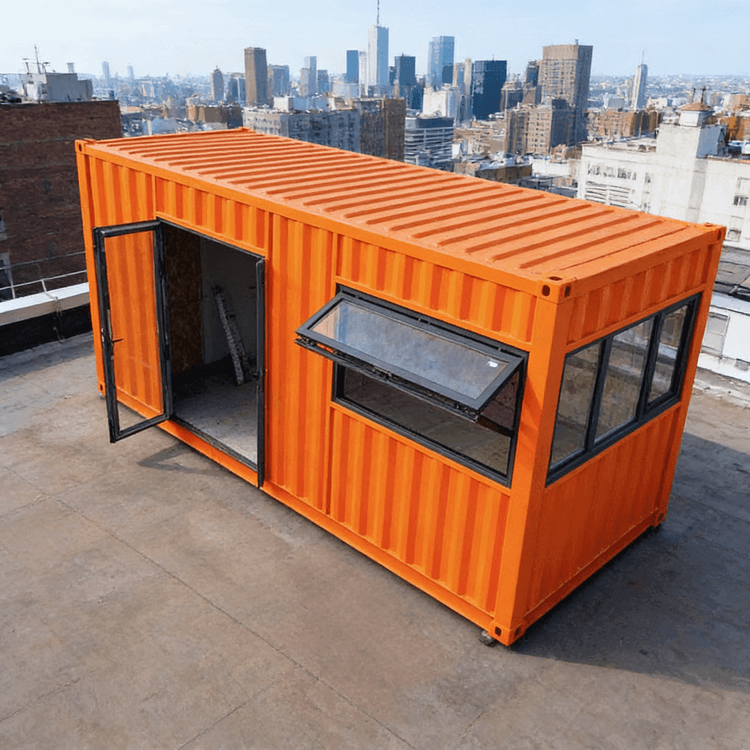
Mobile Direct Discharge Toilet
Mobile direct discharge toilets are a type of direct-discharge mobile toilet classified by sewage treatment method, featuring advantages such as mobility, modularity, and ease of transportation. Prices vary significantly depending on the manufacturer and configuration, with designs adhering to principles of convenience, durability, and environmental protection.

Types and Characteristics
Mobile direct discharge toilets are a subset of mobile toilets, categorized as direct-discharge based on sewage treatment. Their core advantage lies in their flexibility to be transported to any location requiring toilet facilities and their reusability. This design makes them suitable for temporary events, scenic spots, construction sites, and other scenarios where rapid deployment is needed without fixed infrastructure, while modular combinations can meet varying usage scales.
Market Price Range
Prices for mobile direct discharge toilets vary greatly depending on the manufacturer and configuration. For example, Beijing Jindongfang Environmental Landscape Engineering Co., Ltd.'s mobile public trailer toilet (a simple temporary direct-discharge public restroom for outdoor scenic spots) is priced at 17,000 yuan; Guangzhou Zhongrun Housing Technology Co., Ltd.'s similar product costs only 950 yuan; and Shandong Kangpai Kitchen Industry Co., Ltd.'s outdoor scenic spot five-unit restroom mobile toilet (including shower function and direct-discharge design) is priced at 13,000 yuan. Price differences primarily stem from factors such as materials, functional configurations (e.g., whether a shower is included), and structural design complexity.
Structural Composition and Design Principles
Mobile direct discharge toilets typically consist of fecal sewage storage tanks (or disposal units), flooring, sanitary fixtures, walls, washing facilities, water tanks, roofs, and mobility devices. Their design must adhere to three key principles:
- Mobility and Economic Durability: The overall structure uses lightweight yet durable materials (such as aluminum alloy and high-strength plastics) while ensuring robustness. Height and width are controlled to meet transportation requirements, and mobility devices (such as trailer chassis and wheels) must be complete and reasonable.
- Environmental Protection: Direct-discharge designs must consider environmental impact, with some products temporarily collecting fecal sewage in storage tanks for centralized treatment to reduce pollution risks from direct discharge.
- Efficiency Enhancement and Humanitarian Care: Optimize the layout of sanitary fixtures and washing facilities to improve user comfort, with particular attention to the needs of special groups such as the disabled.
Additionally, designs must incorporate practical functions such as wind resistance, rain protection, and ventilation to ensure stable operation under different climatic conditions.