Mobile Degradable Toilet
A mobile degradable toilet is an environmentally friendly toilet facility that does not require a sewage system, uses microbial degradation technology to treat excrement, can be moved as a whole, and is suitable for various scenarios. The following is an introduction from four aspects: technical principles, structural characteristics, application scenarios, and functional advantages.
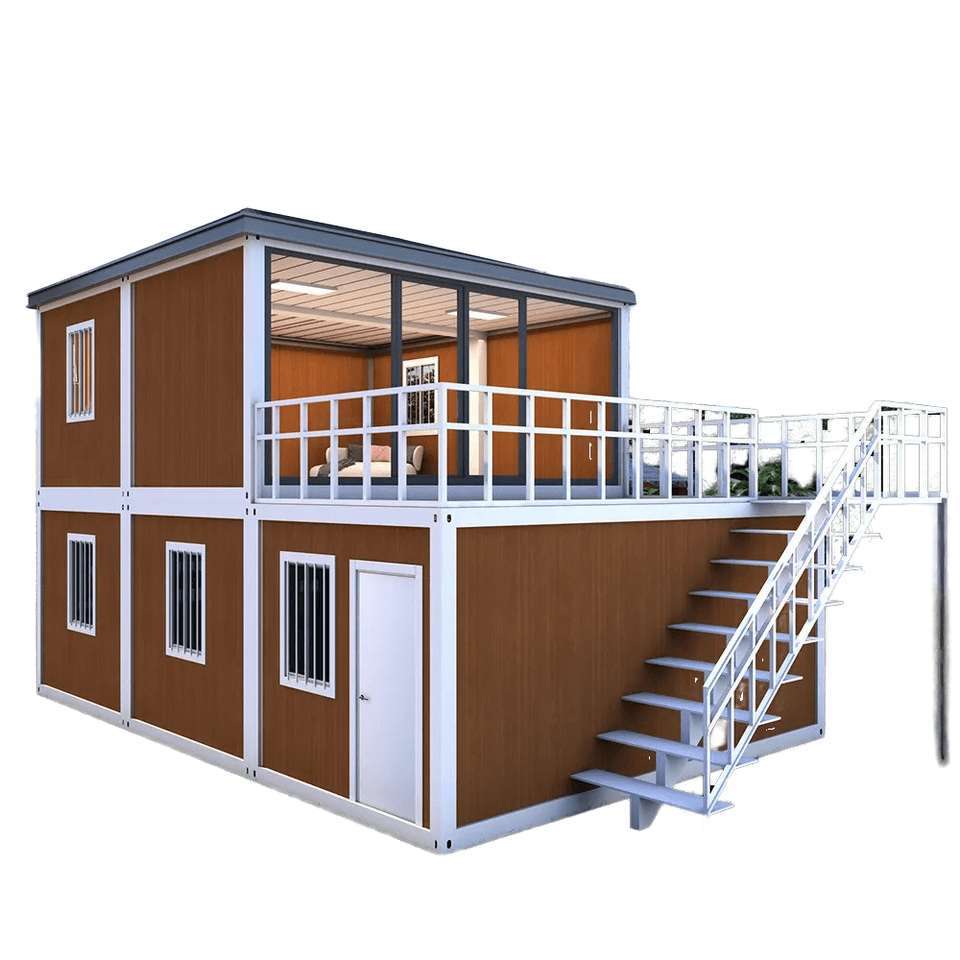
In terms of technical principles, the core of a mobile degradable toilet is microbial degradation technology. Through the action of specific microbial communities, feces can be decomposed into carbon dioxide, water, and organic fertilizer in a short time, achieving harmless treatment and resource utilization. This process does not require traditional water flushing. Some models need to be injected with 70-80 kilograms of water initially to maintain the activity of the microbial community, and subsequent operation has water-saving characteristics, making it especially suitable for water-scarce areas. For example, the towed mobile environmental protection smart public toilet adopts such a system, reducing the impact on the environment by decomposing excrement through microorganisms.
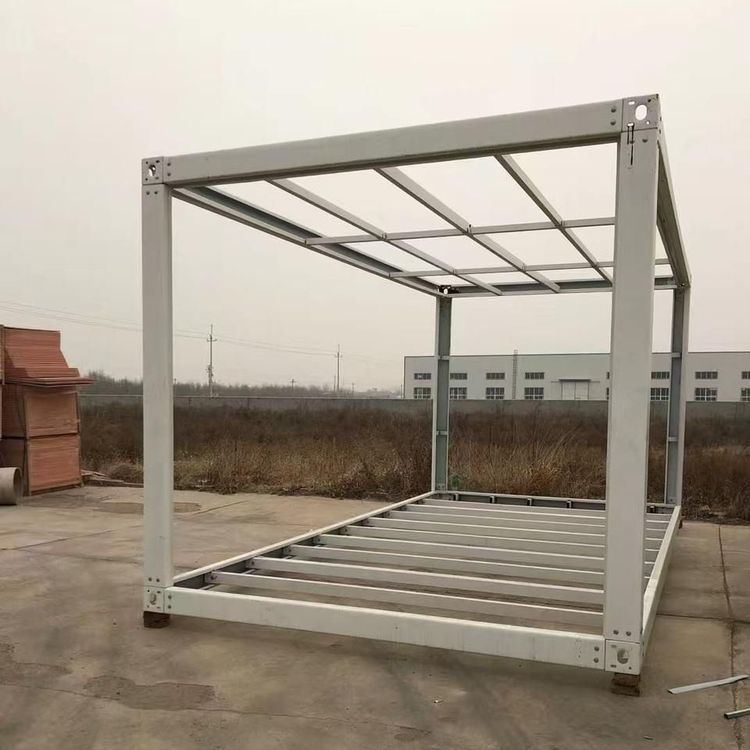
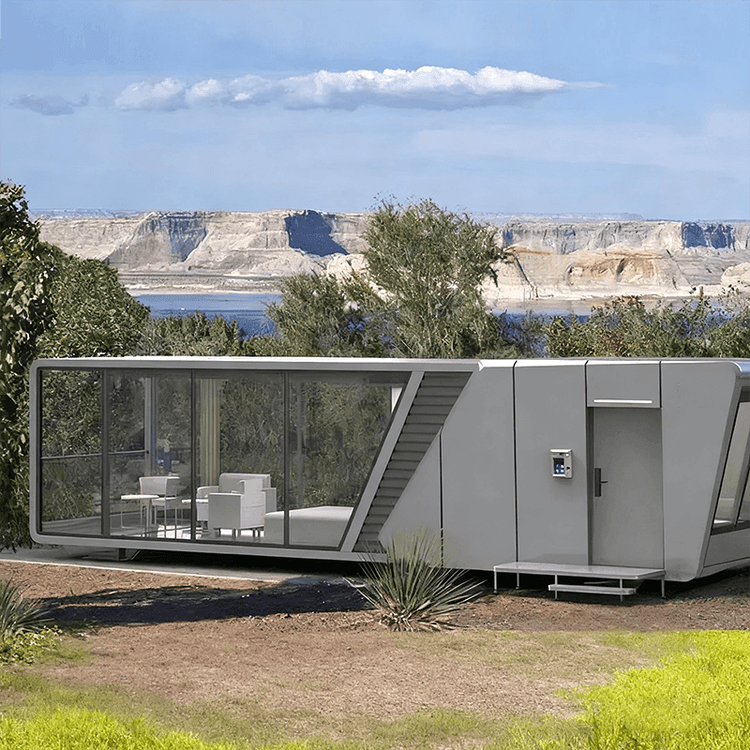
In terms of structural characteristics, its housing body mostly adopts a steel-frame cement composite structure, which combines strength and thermal insulation performance, with a service life of more than 20 years, and can withstand harsh environments such as extreme cold. According to the structural form, it can be divided into single-unit structures (independent units) and composite structures (multi-unit combinations); according to the moving method, it can be divided into hoisting and handling types (requiring mechanical assistance) and powered towing types (such as the towed type, which is about 2 meters wide and 7 meters long and can be towed by a vehicle). This modular design enables it to be quickly deployed in fixed or temporary locations to meet flexible needs.
In terms of application scenarios, mobile degradable toilets are widely used in scenic spots, high-altitude and water-scarce areas, public places, and temporary event venues. For example, in remote scenic spots without sewage pipelines, they can avoid the environmental pollution caused by traditional toilets; in high-altitude areas, the steel-frame cement composite structure can ensure the stable operation of the equipment; in large-scale exhibitions or disaster relief sites, the powered towing type can quickly respond to toilet needs, demonstrating its mobility and adaptability.
In terms of functional advantages, some ecological public toilets are integrated with intelligent systems, equipped with functions such as air circulation, temperature control, and biological deodorization to improve user comfort. For example, biological deodorization technology is used to reduce odors, and the temperature control system adapts to different climatic conditions. In addition, the application of 5G and Internet of Things technologies enables remote monitoring, allowing managers to grasp the equipment status, microbial community activity, and resource consumption in real time, achieving efficient operation and maintenance. This technological integration not only improves environmental performance but also promotes the intelligent development of toilet management.