
Mobile Container Houses
A mobile container house is a building form made with dedicated container panels and processes, featuring mobility, fast assembly, safety, and durability. An overview from several angles:
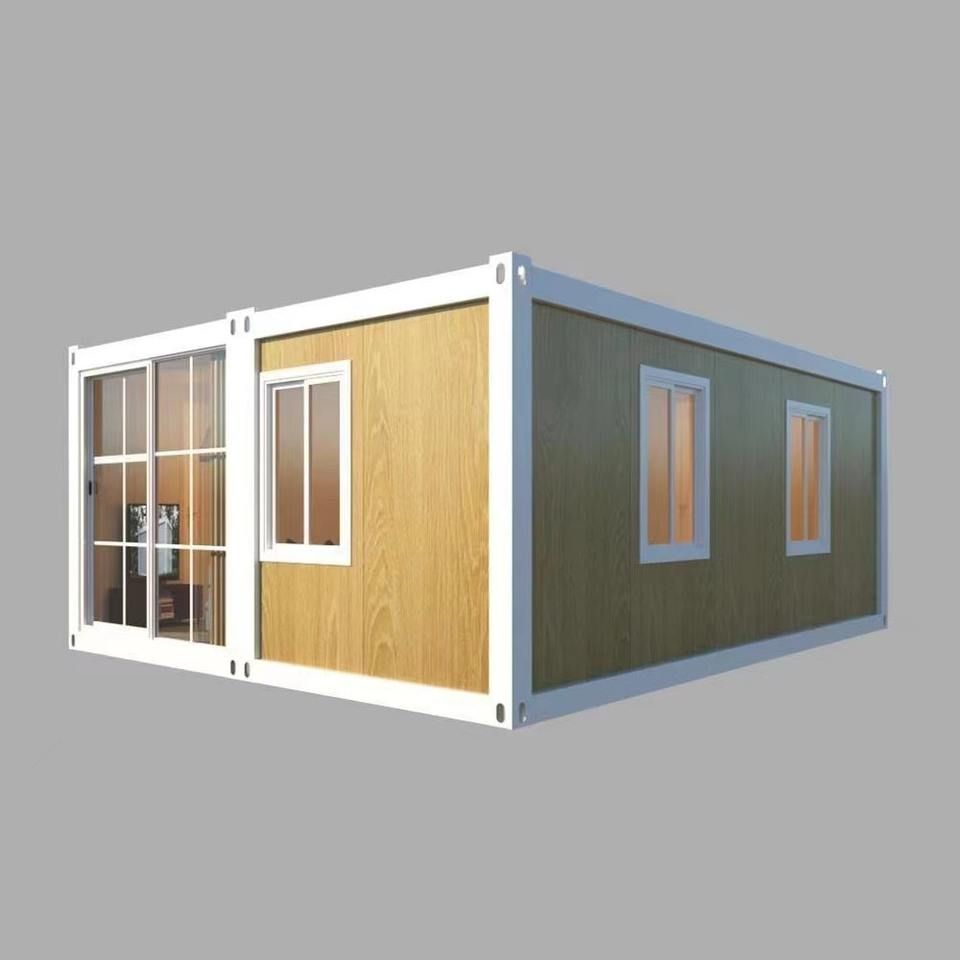
1. Structure and materials The main structure is steel framing, with many advantages. Wind- and quake-resistant and corrosion-resistant, it can withstand harsh natural conditions and give occupants reliable safety. In earthquake-prone areas or places often hit by strong winds, the sturdy structure of mobile container houses can reduce damage and protect lives. Corrosion resistance also extends service life and lowers maintenance costs.
2. Performance features
- Mobility: A defining trait of mobile container houses. They can be moved flexibly as needed—whether temporary buildings in cities or emergency housing in remote areas. For transport, volume can compress to under 50% of the original, greatly saving space and cost.
- Fast assembly: Modular layout makes building relatively simple and quick. For example, an American buyer of a Chinese mobile container house completed assembly with the seller’s full English install guide and worker help—showing how fast setup can be. In emergencies such as post-disaster rebuilding, they can quickly provide shelter.
- Safety and durability: Beyond the steel frame, air-gap thermal design supports sound and heat insulation. In hot summers it helps keep outdoor heat out; in cold winters it reduces indoor heat loss. Good sound insulation also provides a quieter living environment.
3. Appearance and configuration Exterior styles are flexible and varied; units support stacking and multiple size needs, with personalized design by site and use case. For example, a 3 m × 6 m two-room container house from Guangdong Feisite Container Factory has full ceramic tile flooring throughout, with lighting and socket circuits complete—meeting daily living needs and improving comfort.



