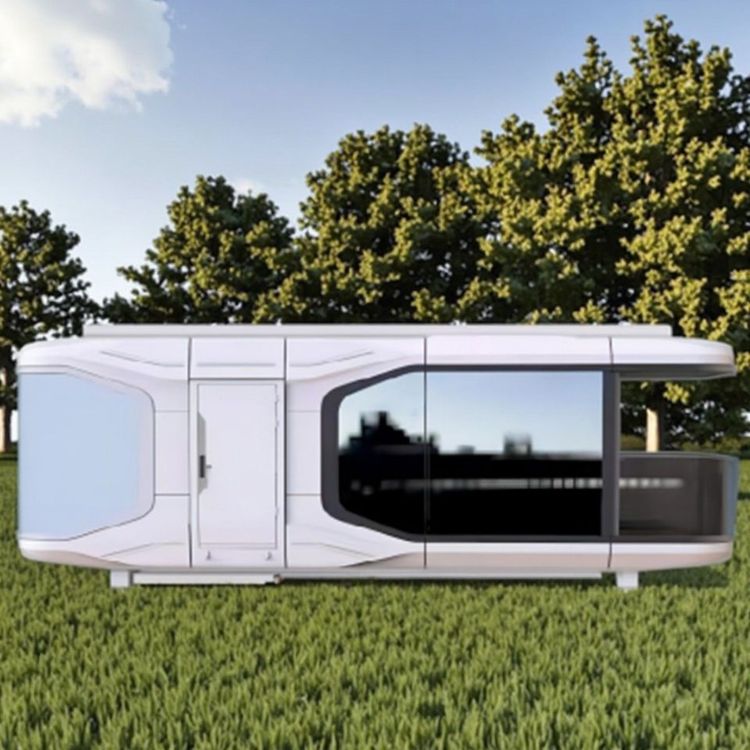
Drawbacks of Mobile Container Houses
The drawbacks of mobile container houses are mainly reflected in aspects such as thermal insulation and energy consumption, spatial comfort, sound insulation and heat preservation, structural safety, regulatory compliance, supporting environmental protection, and market acceptance, as detailed below:
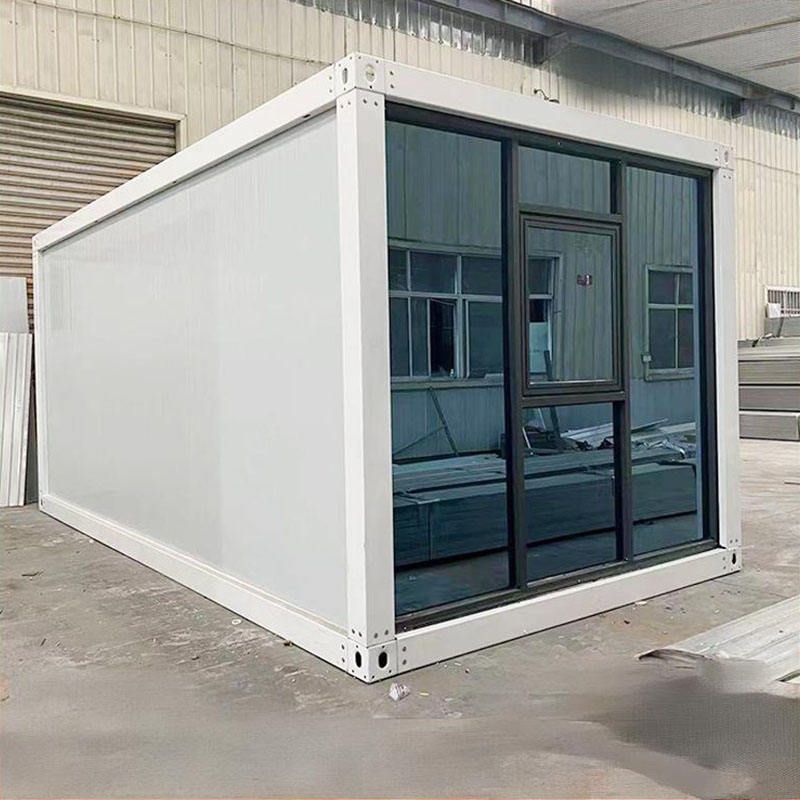
Prominent Thermal Insulation and Energy Consumption Issues
The main body of container houses is made of steel, which has a high thermal conductivity coefficient. This results in significantly higher indoor temperatures in summer compared to the outdoors (by 8-12℃), increasing air conditioning energy consumption by 40%-60%. In northern regions during winter, condensation easily forms inside the container, necessitating the installation of over 5cm of polyurethane insulation layer to meet residential standards, increasing costs by approximately 200 yuan/㎡.Limited Space and Comfort
Standard container sizes are fixed, and after modification, the interior net height is only 2.1-2.2m, which can cause a sense of oppression during long-term residence. When multiple containers are joined together, the load-bearing structure needs to be cut, weakening the overall rigidity and posing structural risks during extreme weather conditions such as typhoons.Poor Sound Insulation and Heat Preservation Performance
The metallic structure causes significant sound conduction and reflection, resulting in high indoor noise levels. Additional sound insulation materials or special treatments are required, increasing costs and construction difficulty. Meanwhile, the high thermal conductivity of metal makes it difficult to effectively isolate external temperatures, causing rapid drops in indoor temperature in winter and a 'steamer' effect in summer, significantly increasing air conditioning energy consumption.Potential Structural Safety Hazards
If scientific structural calculations and reinforcements are not carried out after modification, long-term use may lead to a decline in structural stability, posing safety hazards, especially during extreme weather conditions such as earthquakes and typhoons.Numerous Regulatory Restrictions
In many parts of the country, container houses are classified as temporary buildings and require renewal every 2 years. Non-compliance may result in forced demolition. Property rights issues can also be a major headache for users.High Maintenance Costs
The special nature of the materials makes them more susceptible to corrosion and rust, resulting in higher maintenance costs and time.Insufficient Supporting Facilities
There may be insufficient supporting facilities in terms of water and electricity access and sewage disposal, causing inconvenience in daily life. Communication and internet access may also face challenges.Challenges in Environmental Protection and Waste Disposal
Improper disposal of废弃的 (should be 'discarded' or 'abandoned') container mobile houses can lead to resource waste and environmental pollution.Low Social Acceptance
Some people have doubts about the living quality and safety of container houses, hindering market promotion.Low Return on Investment
Limited market acceptance results in slow growth in house value, and the relatively short lifespan may affect long-term investment value.
You may also like

Portable Toilet Movable for Construction Sites: What to Consider
Read More
House Bulk Orders: What Buyers Should Know
Read More
Portable Toilet Eco-Friendly Specifications Size & Area Guide: Finding the Right Fit
Read More