Mobile Container House: A Practical Buyer's Guide
Mobile container houses are modular, highly flexible, and durable temporary or permanent living solutions suitable for various scenarios. When purchasing, it is essential to focus on materials, certifications, and customization needs.

Materials and Structure: Durability and Modularity as Core
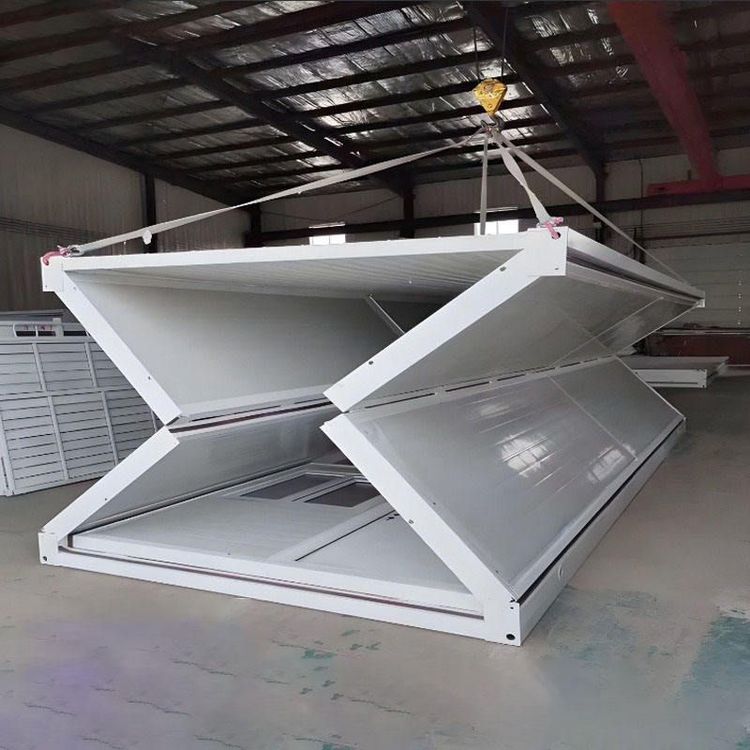
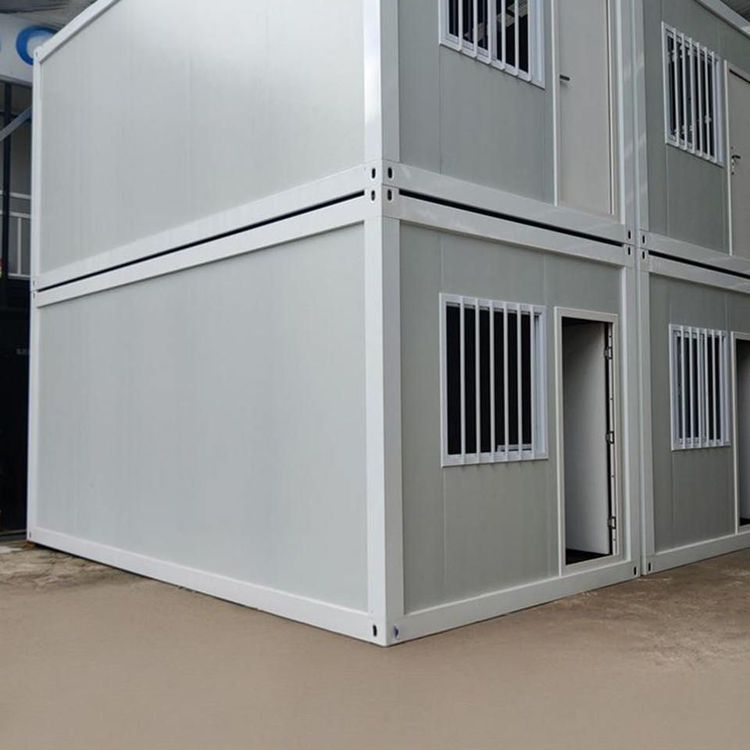
The main body of a mobile container house uses a high-strength steel frame, paired with sandwich panels (such as polyurethane or rock wool) or corrugated metal panels, providing corrosion resistance, wind pressure resistance, and weather resistance, enabling adaptation to extreme climatic conditions. Modular design supports prefabricated component production, allowing for rapid assembly and disassembly, with dimensions, shapes, and functions adjustable according to needs, such as achieving space expansion or functional zoning through splicing.
Performance Parameters: Safety and Energy Efficiency in Balance
In terms of structural stability, standard-thickness steel and reinforced connectors ensure overall rigidity, with some models incorporating seismic design (such as reinforced corner fittings and flexible connections) to enhance safety in earthquake-prone areas. Thermal insulation and waterproofing are key indicators: sandwich panel filler materials (such as polyurethane) reduce heat conduction, while sealing strips provide waterproofing; ventilation designs (such as vents and exhaust fans) optimize air circulation, reducing humidity and odors, and improving living comfort.
Application Scenarios: Flexible Adaptation to Diverse Needs
Their core advantages lie in rapid deployment and scenario adaptability:
- Temporary Housing: In scenarios such as construction sites and post-disaster reconstruction, they can be quickly transported and installed, with some models (such as the 40ft Expandable Container House) expandable to 4 bedrooms, meeting long-term living needs;
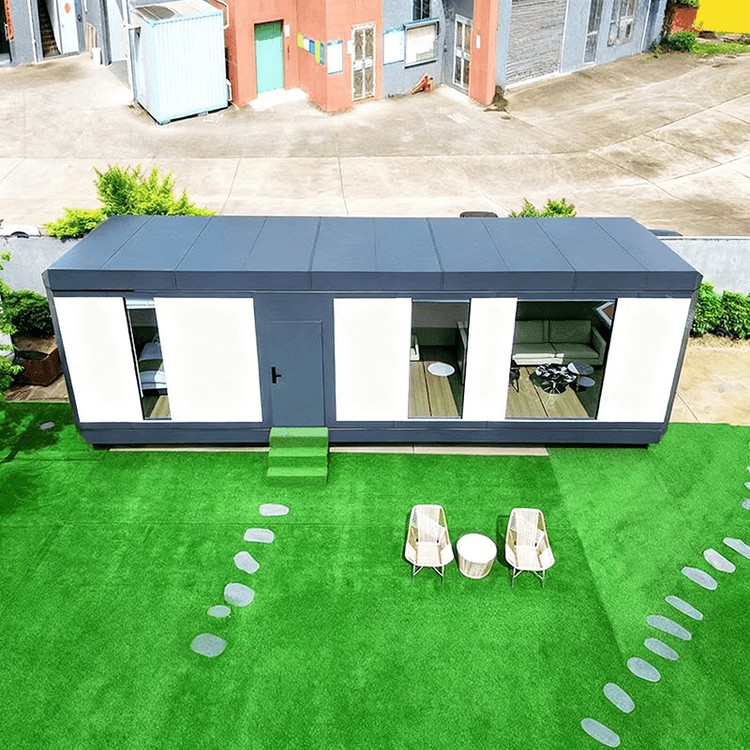
- Commercial Use: Hotels, apartments, and cafes can create unique spaces through customized exteriors (such as large transparent glass windows) and interior renovations;
- Remote Areas: Modular design reduces dependence on infrastructure, making them suitable for regions without permanent building conditions.
Certifications and Safety: International Standards Ensure Quality
When purchasing, it is important to confirm that the product meets international standards such as CE (EU Safety Certification) and RoHS (Environmental Protection Material Certification), ensuring non-toxic materials, structural safety, and compliance with environmental requirements. Some manufacturers provide additional certifications (such as ISO 9001 Quality Management System), further ensuring the standardization of production processes.
Customization Options: Personalization to Meet Specific Needs
Interior renovations (such as floor and wall materials), exterior panel colors, and window types (such as sliding windows and skylights) can all be customized. For example, the Sleeping Pods Bunk Bed Container adapts to hotel or family needs through modular bed design; optimization of ventilation and power systems (such as solar integration) enhances energy self-sufficiency.
Purchase Recommendations: Prioritize evaluating material durability, certification compliance, and customization flexibility based on usage scenarios, and choose standard models or high-end customization options according to budget to ensure a balance between functionality and cost.