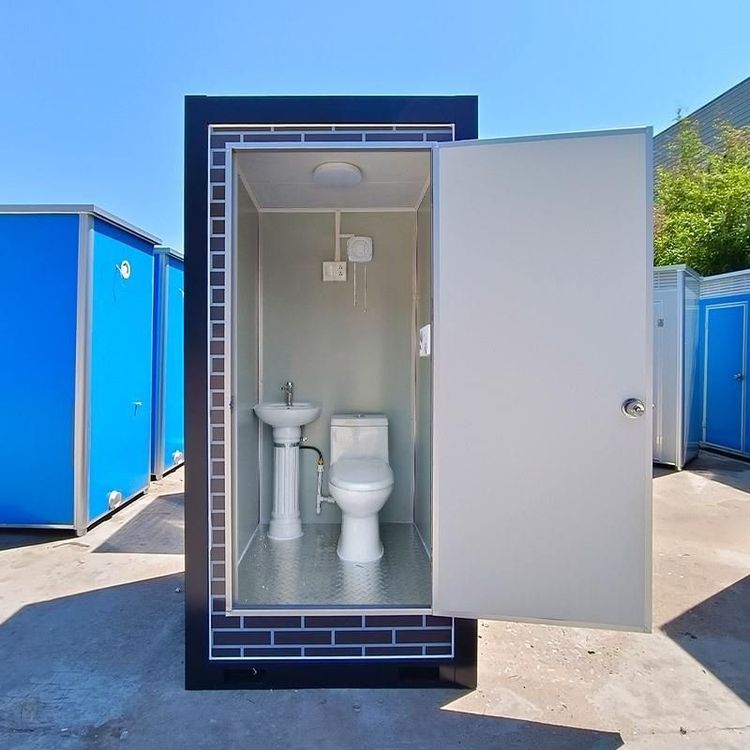
Mobile Company's Toilet Revolution
The toilet revolution of mobile companies is mainly reflected in the technological application and promotion of mobile eco-friendly toilets, optimizing urban metabolic patterns through technological integration to achieve minimal resource consumption and localized material recycling.

Technological Innovations
- Microbial Degradation Technology: A controllable micro-ecosystem is constructed, where specific microbial communities decompose organic matter into carbon dioxide, water, and a small amount of humus under conditions of increased temperature and oxygen supply, reducing the need for waste removal from the source. For example, organic waste such as feces does not require traditional water flushing but is directly converted into harmless substances through microbial action, reducing pollution risks.
- Water-Saving and Resource Recycling Technologies:
- Vacuum Suction Technology: Utilizes air pressure differentials to transport waste, saving over 90% of water usage, suitable for water-scarce areas or temporary scenarios.
- Urine Diversion Design: Separates and processes urine into liquid fertilizer, enabling the recycling of nitrogen, phosphorus, and other resources, reducing sewage discharge pressure.
- Odor Control Technology: Combines physical and chemical methods such as activated carbon adsorption and plant-based deodorization, and blocks the sources of volatile organic compounds through rapid biological degradation or sealed storage techniques, coupled with an air circulation system to ensure stable internal air pressure and enhance user experience.
Energy Self-Sufficiency and Independent Operation
The roof of mobile toilets integrates solar photovoltaic panels to convert light energy into electricity, powering lighting, ventilation, and other systems; energy storage battery packs address nighttime or rainy weather conditions, forming an off-grid power supply system that reduces reliance on municipal power grids. This design enables stable operation in scenarios without external energy supply, such as remote areas or emergency rescue sites.
Expansion of Application Scenarios
- Urban Refined Management: For example, modular mobile toilets are adopted in Beijing's hutong renovations, equipped with air conditioning, barrier-free facilities, and hydraulic lifting systems to address space constraints; after replacing traditional toilets with eco-friendly mobile toilets in Hangzhou's West Lake scenic area, cleaning labor is reduced, and visitor waiting times are shortened.
- Public Health Emergencies: Epidemic-prevention mobile toilets are equipped with touchless sensing systems and ultraviolet disinfection devices, serving as a hygiene defense line in disaster relief efforts and effectively blocking pathogen transmission.
- Cultural Integration Design: Solar-powered mobile toilets introduced in Yunnan's ancient towns incorporate ethnic design elements, balancing functionality with cultural needs, enhancing the harmony between public facilities and regional characteristics.
Final Product Treatment and Resource Utilization
Stable humus can be used as a soil conditioner, and recovered phosphorus and other elements become important resources, transforming sanitation facilities from an end-of-pipe 'treatment-discharge' model into a material recycling node, promoting sustainable urban development.