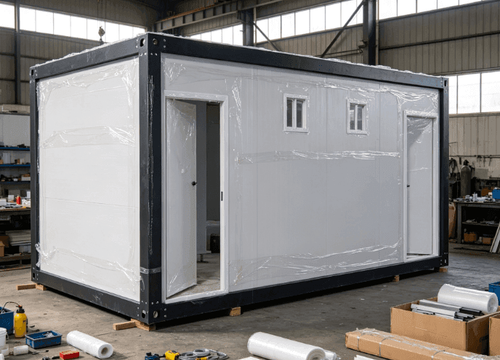
Mobile Cement Home Toilet
The mobile cement home toilet is a portable toilet for home use, primarily made of cement. It features high strength and wear resistance, but its design must also take portability into account. The following provides an introduction from three aspects: product types, prices, and key points for cement floor design.
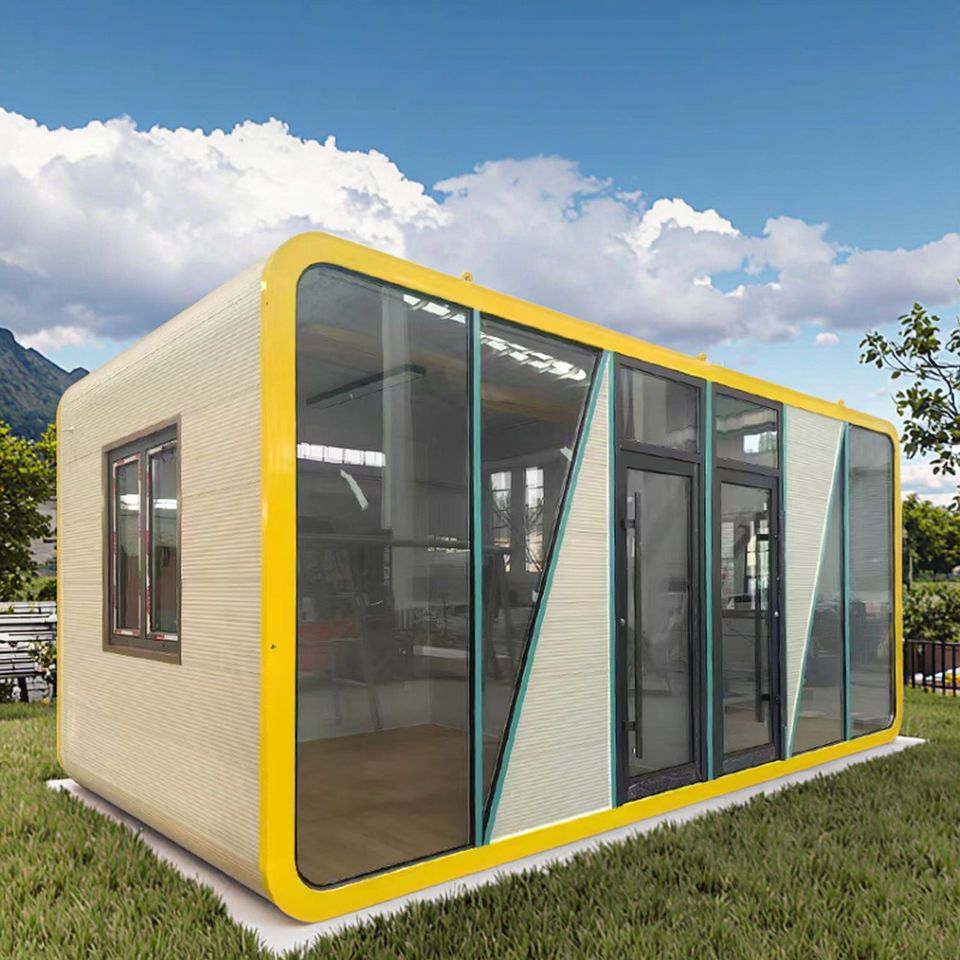
I. Product Types and Brands
The mobile toilet market offers a variety of brands (such as Mengyang, Jinda, Xinyue, etc.) and types (mobile toilets, eco-friendly toilets, dry toilets, etc.), with some products explicitly labeled for home use. Cement, due to its low cost and stable structure, has become a common choice for home mobile toilets, especially suitable for families with high durability requirements or long-term fixed use scenarios.
II. Prices and Suppliers
The prices of mobile cement toilets vary significantly among different suppliers and should be selected based on procurement scale and functional requirements:
- Small-scale procurement: Products from Hunan Zhongjiang Construction Engineering Co., Ltd. and Beijing Yishi Construction Technology Development Co., Ltd. are priced at ¥1200.00 each (≥10 units or ≥1 square meter), suitable for families or small projects;
- Villas or high-end needs: The villa-style mobile toilet from Hunan Zhongyi Construction Engineering Co., Ltd. is priced at ¥1250.00 each (≥100 units), offering a more exquisite design;
- Large-scale or customized needs: The new rural mobile toilet from Maoming Hengjian Activity Room Technology Co., Ltd. is priced at ¥10,500 each (≥1 unit), possibly including more comprehensive supporting facilities (such as water and electricity systems).
III. Key Points for Cement Floor Design
The cement floor of a mobile toilet should be designed comprehensively considering portability and functionality:
- Thickness and weight control: For conventional home/small mobile toilets, a floor thickness of 5-8cm is recommended, while for large public mobile toilets, it can be increased to 8-10cm to balance load-bearing capacity and portability;
- Waterproof and moisture-proof treatment: After cleaning the floor base, apply 1-2 coats of polymer cement-based waterproof coating, focusing on covering corners and areas around floor drains. After drying, pour the cement surface layer or lay anti-slip tiles;
- Adaptation to mobile structure: If the toilet is moved using a crane or forklift, the cement floor should be rigidly connected to the toilet's main frame. If the toilet has wheels, reserve "wheel slots" under the floor or reduce the floor's extension range to avoid obstructing movement.
Due to its high strength, wear resistance, and low cost, the cement floor is suitable for mobile toilets used in fixed/semi-fixed settings (such as long-term placement at construction sites, scenic area parking lots, or home backyards), especially meeting high load-bearing requirements (such as simultaneous use by multiple people) and humid environments (such as outdoor rainy areas).