
What Does Mobile Big Toilet Mean
A 'mobile big toilet' refers to a facility that can be moved as a whole and provides toilet services to the public. It is also known as a mobile toilet, portable toilet, or eco-friendly mobile toilet. It differs from traditional concrete buildings fixed to the ground, adopting a factory-prefabricated and on-site assembled approach, offering extremely high flexibility and mobility.
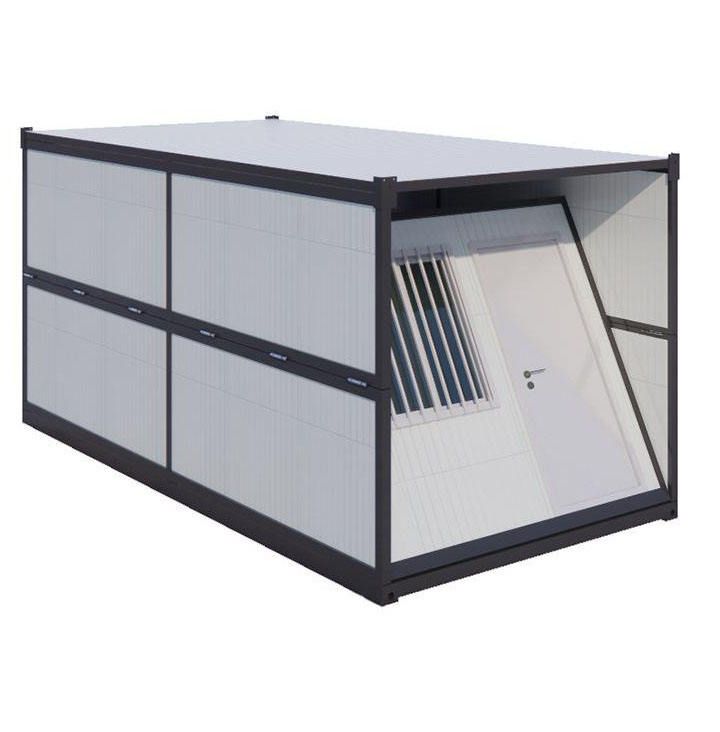
Materials and Construction: From its initial simple construction to the present day, it mostly uses new materials such as fiberglass-reinforced plastic, polyethylene, and galvanized steel sheets, which are corrosion-resistant, rust-proof, and easy to clean, adapting to the complex and variable outdoor climate conditions. In terms of interior decoration, the walls and floors are often paved with non-slip aluminum-plastic panels or marble, which are aesthetically pleasing and easy to clean and maintain. The functional configuration is highly integrated, with standard internal fittings including squat pans, water tanks, washbasins, and lighting systems. Some high-end models are also equipped with soundproof cotton, automatic sensor flushing technology, and occupied/unoccupied status indicator locks.
Core Advantages:
- Convenience and Flexibility: Without relying on complex underground sewage networks and fixed water supply connections, it is usually designed as an independent box structure that can be transported by vehicles and quickly deployed at locations such as construction sites, music festival venues, sports event sites, and tourist attractions. After the event or project is completed, it can be quickly removed.
- Hygiene and Health Protection: The enclosed space design provides privacy and isolates it from the external environment. Internally, it is equipped with antibacterial material toilets or squat pans, disposable seat covers, wall-mounted hand sanitizer dispensers, etc. Special biological or chemical degradants are added to the waste storage tanks to effectively decompose waste, inhibit bacterial growth, and reduce odors. A forced ventilation system ensures internal air circulation.
- Environmental Friendliness: It reduces environmental impact through the use of special degradants, centralized waste removal, and management models. Some models adopt water-saving designs or waterless packaging technology to conserve water resources.
Application Scenarios: It is suitable for stations, docks, tourist attractions, villa areas, newly built residential areas, large construction sites, squares, densely populated public places, and bustling commercial streets, etc. It can compensate for the urban structural defects where fixed public toilets cannot achieve perfect layout and sufficient supply due to high costs or construction difficulties.



