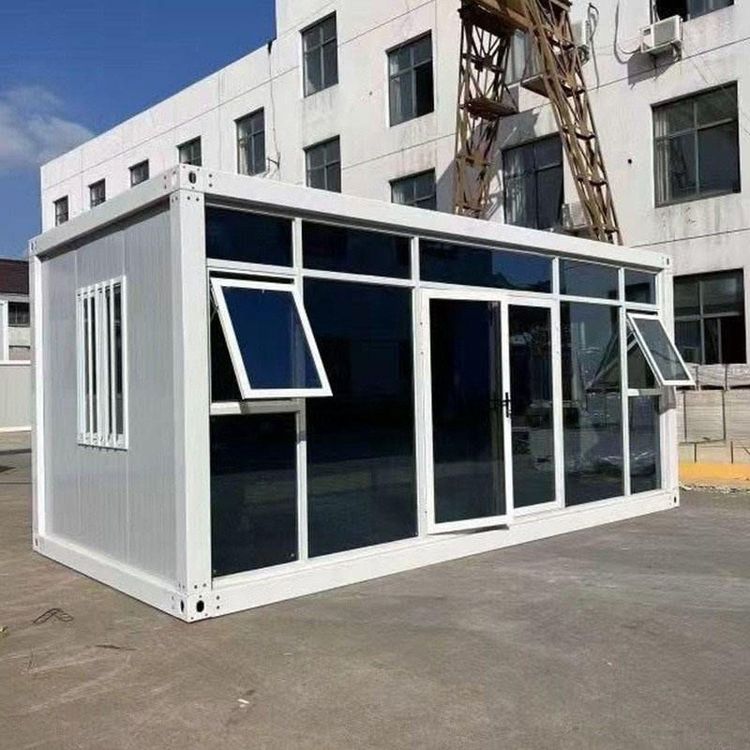
Interior of Mobile Antique-Style Toilet
The interior configuration of mobile antique-style toilets adheres to modern sanitation standards, balancing practicality and aesthetics. Core configurations include water-saving systems, cleaning devices, barrier-free facilities, and smart equipment, with some supporting customization.

1. Basic Sanitation Facilities
Mobile antique-style toilets are typically equipped with water-saving flushing systems that reduce water consumption through optimized water flow design while ensuring cleanliness. For example, some models use an independent urinal and toilet partition system: the urinal channel utilizes gravity-driven flow for waste discharge without additional power, while the toilet channel employs a piston-type scraper mechanism for automatic cleaning. The scraper moves after each use, pushing waste into a collection container to prevent residue. Additionally, the toilet basins often feature non-slip flooring to reduce the risk of slipping and are equipped with automatic flushing functions that activate upon sensing the end of use, enhancing hygiene and convenience.
2. Environmental Control and Safety Design
Ventilation and odor control are key configurations. The toilet interior is equipped with a forced ventilation system that continuously exchanges air through exhaust fans or fresh air units, combined with activated carbon filtration or photocatalytic technology to adsorb odors, ensuring fresh air. The lighting system uses energy-efficient LED fixtures, providing sufficient brightness with low energy consumption. Some models are equipped with motion-sensor lights that automatically turn on when a person enters and turn off after a delay when they leave, further conserving energy. For barrier-free facilities, handrails, low-positioned sinks, and emergency call buttons can be added as needed to facilitate use by elderly individuals, people with disabilities, and other special groups, reflecting human-centered design.
3. Smart Sensing and Customization Services
Smart sensing devices are a highlight of modern antique-style toilets. For example, infrared-sensing flushing devices can accurately identify usage status, preventing accidental triggering or failure to flush. Some high-end models are also equipped with foot traffic counting sensors that monitor usage frequency in real-time, providing data support for operation and maintenance management. Additionally, suppliers offer customization services, allowing interior configurations to be adjusted according to scenario requirements. For instance, toilets in scenic areas may incorporate cultural decorative elements (such as antique wood carvings or traditional patterns), while those in temporary event venues focus on rapid assembly and modular design to balance practicality and aesthetics across different scenarios.
4. Cleaning and Maintenance Optimization
To reduce operation and maintenance costs, some mobile antique-style toilets adopt an integrated design, allowing waste collection containers to be quickly removed and replaced for regular cleaning. Mechanical cleaning devices (such as piston-type scrapers) reduce manual intervention and extend equipment lifespan. Meanwhile, the use of non-slip flooring and easy-to-clean materials further simplifies daily cleaning processes, ensuring long-term hygiene standards are met.