Back to blog
Article
Minquan Container Mobile House
Admin September 15, 2026
Minquan container mobile house is a movable residential or functional building formed by transforming or assembling containers as basic modules. It features modularity, convenient transportation, and rapid assembly, and is widely used in temporary living, office, commercial, and cultural tourism scenarios.
1. Structure and Types
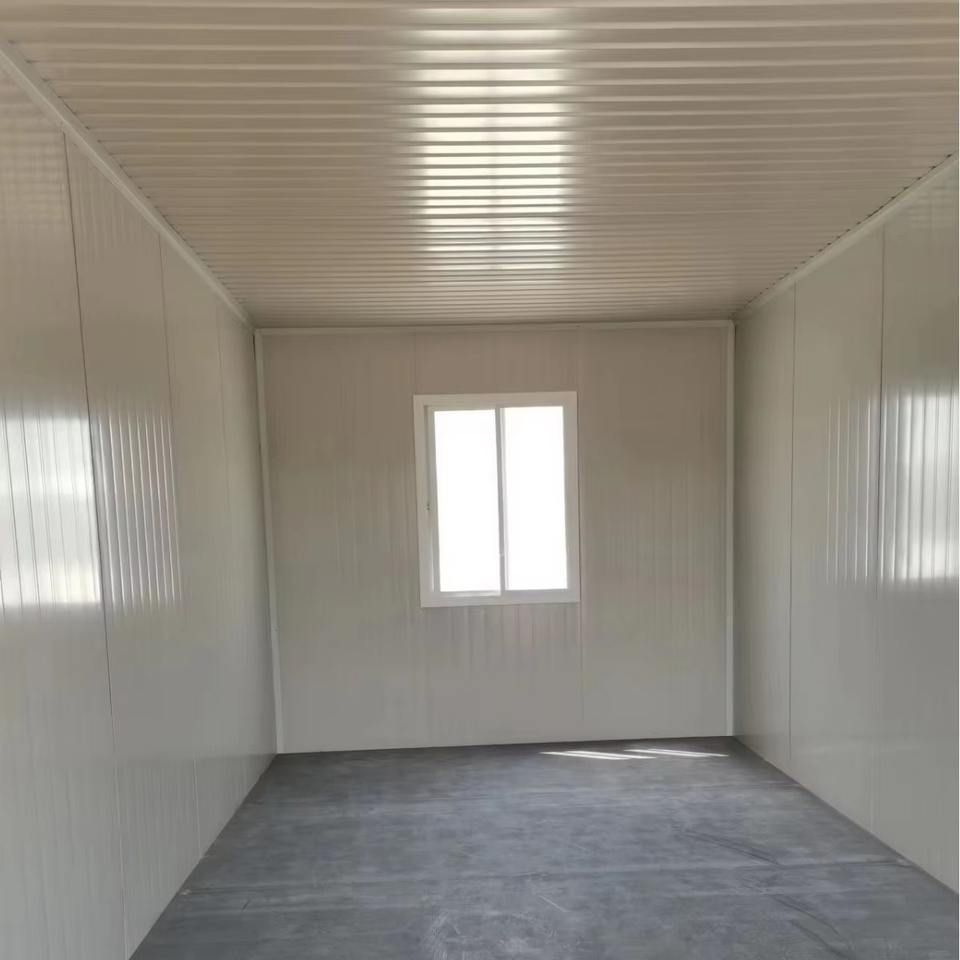
Container mobile houses use standard containers (such as 20-foot and 40-foot) as basic units, with steel structural frames and enclosure panels (such as color steel plates and fire-resistant rock wool sandwich panels) forming the main structure. According to functional requirements, they can be divided into:
- Residential type: Equipped with partitions for bedrooms, bathrooms, living rooms, etc., it adopts multi-layer composite insulation layers and ventilation and insulation systems internally. Its sound insulation performance meets residential standards, making it suitable for long-term living.
- Office type: Integrated with office desks, lighting, networks, and other facilities, it is used in construction site command centers, temporary offices, and other scenarios.
- Commercial type: Such as mobile shops, kiosks, cafes, etc., it meets commercial needs through personalized design.
- Special-purpose type: Such as medical modules and emergency rescue houses, it adapts to specific scenario requirements.
2. Core Advantages
- Rapid deployment: Prefabricated production in factories only requires connecting water and electricity and completing basic leveling on-site. It can be put into use within a few hours, significantly shortening the construction cycle.
- Flexible mobility: Modular design supports overall lifting or disassembly and transportation, adapting to complex terrains such as mountains, woodlands, and lakesides, and has low requirements for foundation bearing capacity.
- Cost control: Compared with traditional buildings, container houses use recyclable materials and have a lifespan of over ten years, resulting in lower long-term usage costs.
- Environmental protection and energy efficiency: No concrete pouring is required, reducing the generation of construction waste and meeting low-carbon building standards.
3. Application Scenarios
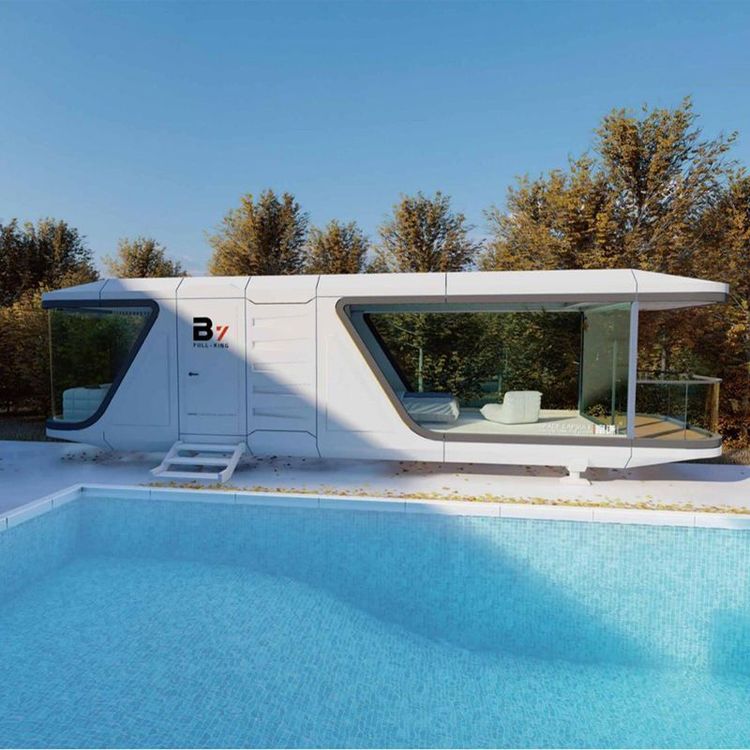
- Cultural tourism accommodation: Such as 'Apple Pod' homestays, which attract tourists through arch or box designs, becoming emerging accommodation forms in rural areas or scenic spots.
- Engineering construction: Serving as construction site dormitories, offices, or warehouses to meet temporary needs.
- Emergency rescue: Quickly setting up temporary medical stations or shelters in natural disasters or emergencies.
- Commercial operations: Mobile shops, exhibition halls, etc., supporting rapid deployment and flexible adjustments.
4. Selection and Customization
When selecting container mobile houses, attention should be paid to:
- Structural stability: Prioritize welded steel structural frames to ensure earthquake resistance and deformation resistance.
- Fire resistance: Use materials such as fire-resistant rock wool sandwich panels to meet fire protection standards.
- Manufacturer qualifications: Verify the construction filing, quality inspection reports, and past project experience of the production manufacturer.
- Customization services: Adjust dimensions, layouts, or functions according to needs, such as widening, shortening, or adding special modules.