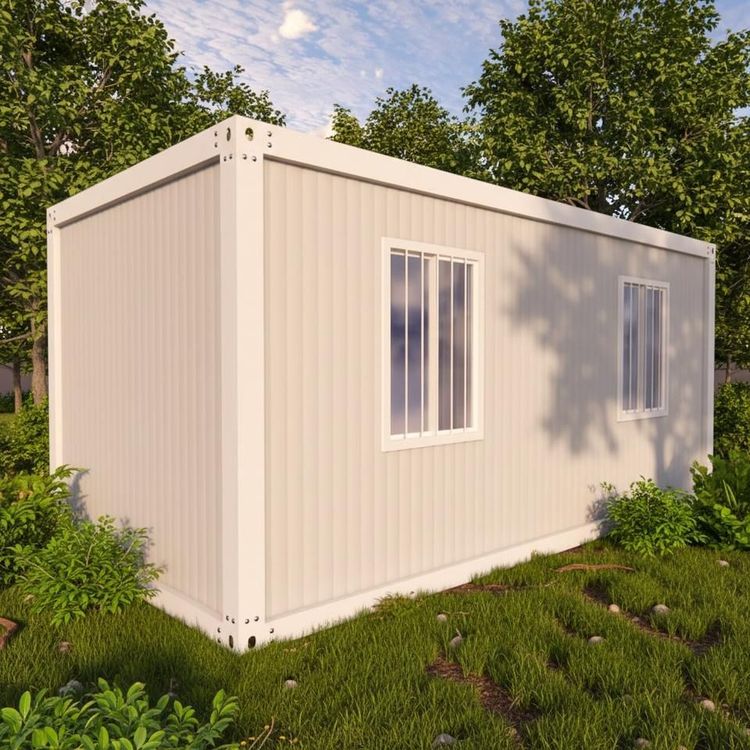
Ecological Mobile Toilets in Minhang Scenic Area
The ecological mobile toilets in Minhang District focus on environmental protection, flexibility, and intelligence. Although there is no explicit mention of exclusive configurations for scenic areas, the practical models used in rural activities can be extended to scenic area scenarios, potentially forming a more comprehensive system in the future.

1. Environmentally Friendly and Functional Design
The ecological mobile toilets in Minhang District are constructed using eco-friendly materials, featuring odor prevention and easy cleaning properties. Some models are equipped with water-saving devices to reduce water consumption. To meet the needs of special groups, some toilets comply with barrier-free design standards and include facilities for the disabled. In rural activities, high-end models are also equipped with independent lighting, ventilation systems, and basic supplies (such as toilet paper and hand sanitizer) to enhance user comfort. These design concepts can be seamlessly applied to scenic area scenarios, meeting tourists' high demands for sanitary conditions.
2. Flexible Adaptation to Different Scenarios
The capacity design of mobile toilets is oriented towards the scale of activities. For example, at large rural harvest festivals, one toilet is allocated for every 50 people to ensure that waiting times do not exceed 5 minutes. Scenic areas can dynamically adjust the number of toilets based on tourist traffic to avoid resource waste or insufficient supply. Their application scenarios cover agricultural tourism, folk festivals, sports events, etc., which are highly compatible with common scenic area activities such as hiking, camping, and cultural events. After professional teams assess the terrain and tourist distribution in scenic areas, scientific allocation plans can be formulated, such as deploying portable toilets in narrow paths or temporary activity areas and setting up more fully equipped models in main tourist areas.
3. Direction of Intelligent Upgrades
Minhang District plans to introduce technologies such as solar power supply and IoT remote monitoring to achieve real-time monitoring of toilet status (such as water level, battery level, and usage frequency) and automatic alerts (such as overflow or malfunction). This upgrade can significantly improve the management efficiency of scenic areas, for example, by predicting peak demand through data analysis and allocating resources in advance, or by automatically triggering cleaning processes through sensors to reduce manual maintenance costs.
4. Rental Service Support
Local rental services for mobile toilets cover temporary scenarios such as construction sites and music festivals, supporting customized needs such as epidemic prevention centers and electric mobile toilets. Scenic areas can flexibly respond to peak tourist influxes or temporary activity demands through rentals, reducing long-term construction costs.