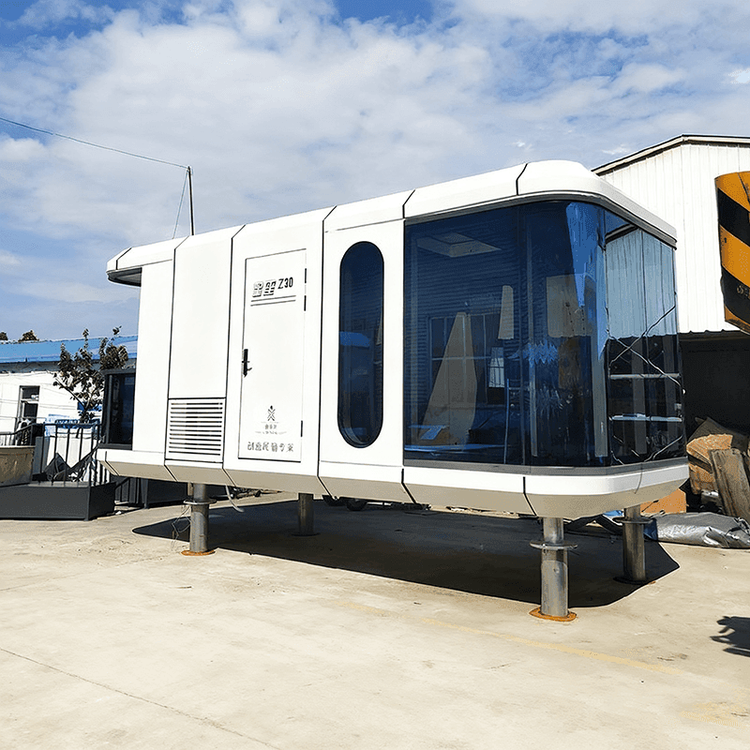
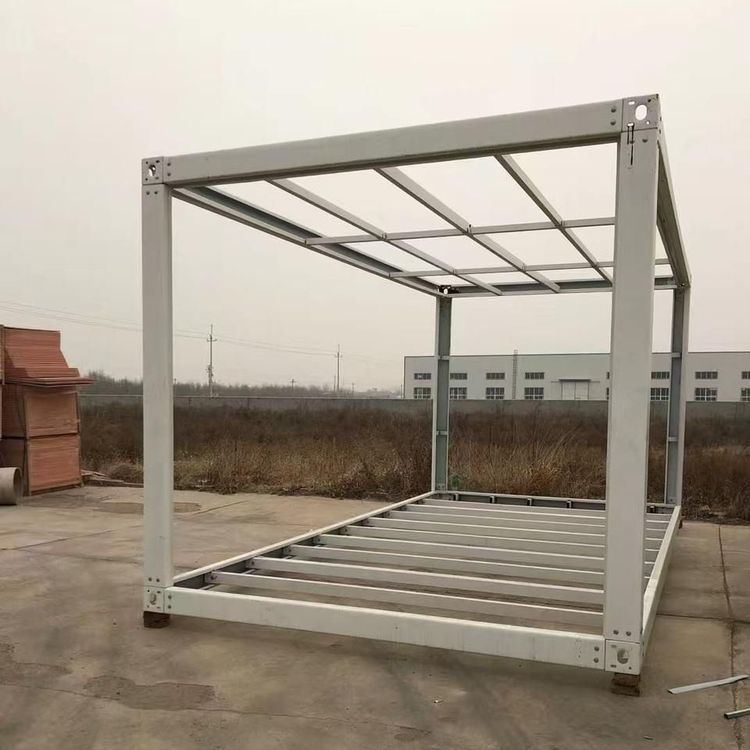
Mianyang Mobile Toilet Outdoor Project
Mianyang mobile toilets offer significant advantages in outdoor projects, serving as an efficient and cost-effective sanitation solution. Their core features and application value can be explored from the following aspects:

I. Flexibility and Adaptability
Mobile toilets break free from the fixed nature of traditional brick-and-mortar toilets, enabling rapid deployment in outdoor settings such as train stations, docks, tourist attractions, and large construction sites. Their modular design supports lifting and transportation or powered towing, making them particularly suitable for short-term projects or those with frequently changing locations, thus avoiding resource waste caused by building demolitions. For example, construction sites can adjust toilet positions according to construction progress, while projects in remote areas can quickly improve sanitation conditions through mobile toilets.
II. Diverse Materials and Functions
- Material Selection: Available in plastic, color-coated steel, stainless steel, and other materials to meet different environmental needs. For instance, construction site-specific models use corrosion-resistant materials with waterproof, wind-resistant, and impact-resistant properties to extend service life.
- Structural Types: Divided into single and composite structures, supporting multi-unit combinations to adapt to changes in project scale.
- Sewage Treatment Methods: Include non-flush packaging types (suitable for areas without water sources), regular flush types (for conventional scenarios), and eco-friendly non-flush types (reducing pollution through biodegradation technology), minimizing dependence on infrastructure.
- Functional Expansion: Can be equipped with additional facilities such as sinks, storage cabinets, and shower rooms. Some manufacturers support printing corporate logos, balancing practicality with brand promotion needs.
III. Environmental Protection and Cost-Effectiveness
- Energy and Water Conservation: Equipped with air purification devices and deodorization systems to reduce water consumption, aligning with green construction standards.
- Land Conservation: Occupying only 1/3 to 1/2 of the space of traditional toilets, they are particularly suitable for urban construction sites with limited land resources.
- Cost Control: In rental models, users pay based on usage cycles, eliminating the need for long-term capital investment. For purchased products, warranty services are provided to reduce later maintenance costs.
IV. Service Support System
Local suppliers in Mianyang offer one-stop services, including free delivery, on-site installation, regular cleaning, and equipment maintenance. Some merchants support customizing the number and layout of toilets according to the site to maximize space utilization. For example, large exhibitions can rent standard toilets with partitions and configure barrier-free facilities to enhance user experience.
V. Typical Application Scenarios
- Construction Sites: Corrosion-resistant toilets paired with independent sewage systems meet sanitation standards.
- Large Events: Rapid deployment of single or double-stall toilets to handle peak visitor flows.
- Remote Areas: Improve local sanitation conditions through scientific waste treatment.
Selection Advice: Before renting, confirm whether maintenance is included in the service. For customized models, communicate detailed drawings in advance and reserve installation space to ensure compatibility with the site.