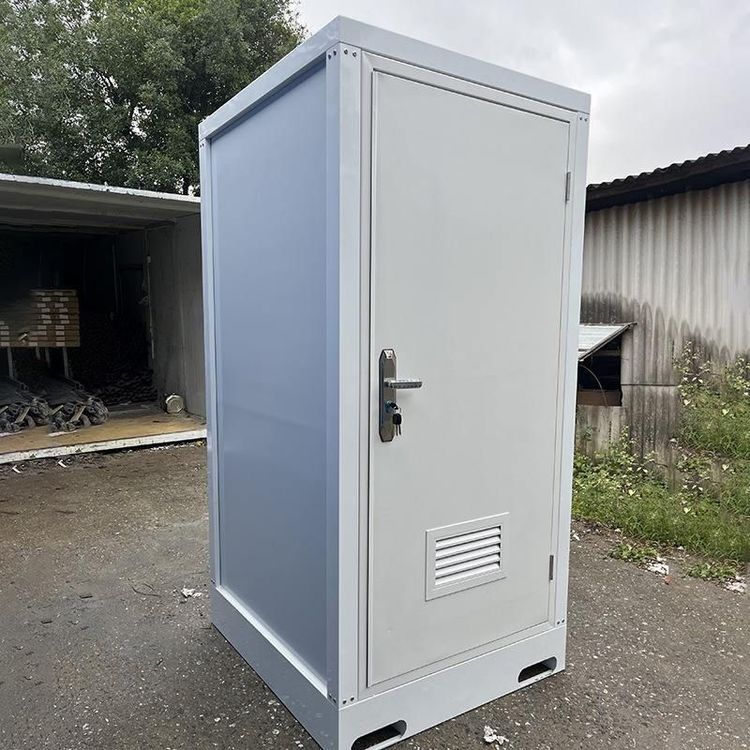
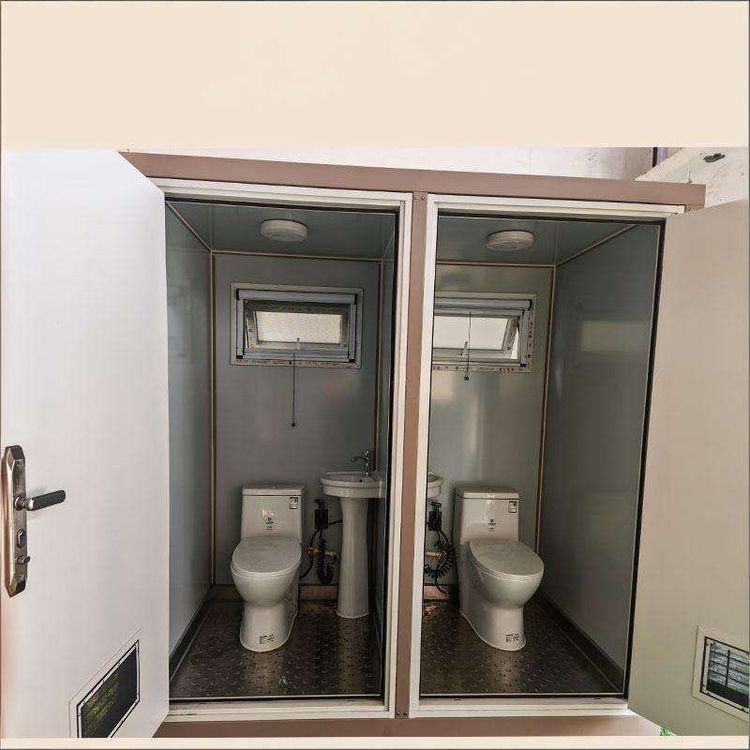
Meishan Outdoor Mobile Toilet
Outdoor mobile toilets in Meishan feature a small footprint and easy cleaning. When selecting one, it is necessary to comprehensively consider factors such as usage scenarios, material structure, and cost-effectiveness.

Usage Scenarios Determine Functional Requirements
The functional requirements for mobile toilets vary significantly across different venues. Parks and scenic spots, as public leisure areas, need to balance aesthetics and durability. For example, mobile toilets with wood-grain or stone-like exteriors can blend into the natural environment while withstanding high-frequency use. Construction sites, on the other hand, prioritize practicality and ease of cleaning, opting for stainless steel or high-strength plastic materials that facilitate quick removal of mud, oil, and other construction residues. Additionally, large event venues may require additional temporary stalls or barrier-free facilities, while remote areas need to consider the toilet's endurance (e.g., solar power) and sewage disposal methods (e.g., septic tanks or pumping systems).
Materials and Structure Affect Performance
High-quality mobile toilets should possess core properties such as waterproofing, moisture resistance, and corrosion resistance. For instance, toilets with integrated sealed designs effectively prevent rainwater leakage and extend service life. The frame structure, made of galvanized steel pipes or aluminum alloys, ensures stability while reducing weight for easier transportation. Modular designs allow for rapid assembly and disassembly, adapting to temporary needs at various sites. Some premium products are also equipped with intelligent ventilation systems and automatic flushing sensors to further enhance the user experience.
Balancing Cost-Effectiveness and Quality
Local manufacturers in Meishan (such as Guting Metal Products Factory) offer direct factory supply services, reducing intermediate costs. However, it is essential to verify product qualifications (e.g., environmental certifications and quality inspection reports). When purchasing, cost-effectiveness can be assessed through the following methods:
- Compare material thickness: Check if the thickness of the wall steel plate meets industry standards (usually ≥1.2mm);
- Examine component quality: Ensure that easily damaged parts like water tanks and flush valves are branded products;
- Understand after-sales service: Inquire about installation guidance, maintenance response times, and component supply cycles.
Additionally, customized products like smart mobile restrooms or outdoor shower rooms, while feature-rich, come at a higher price and should be selected based on actual needs.