
Installation of Mobile Toilets in Meilie District
The installation of mobile toilets in Meilie District should follow standardized procedures, select appropriate types based on site conditions, and pay attention to key details to ensure safety and normal functionality.
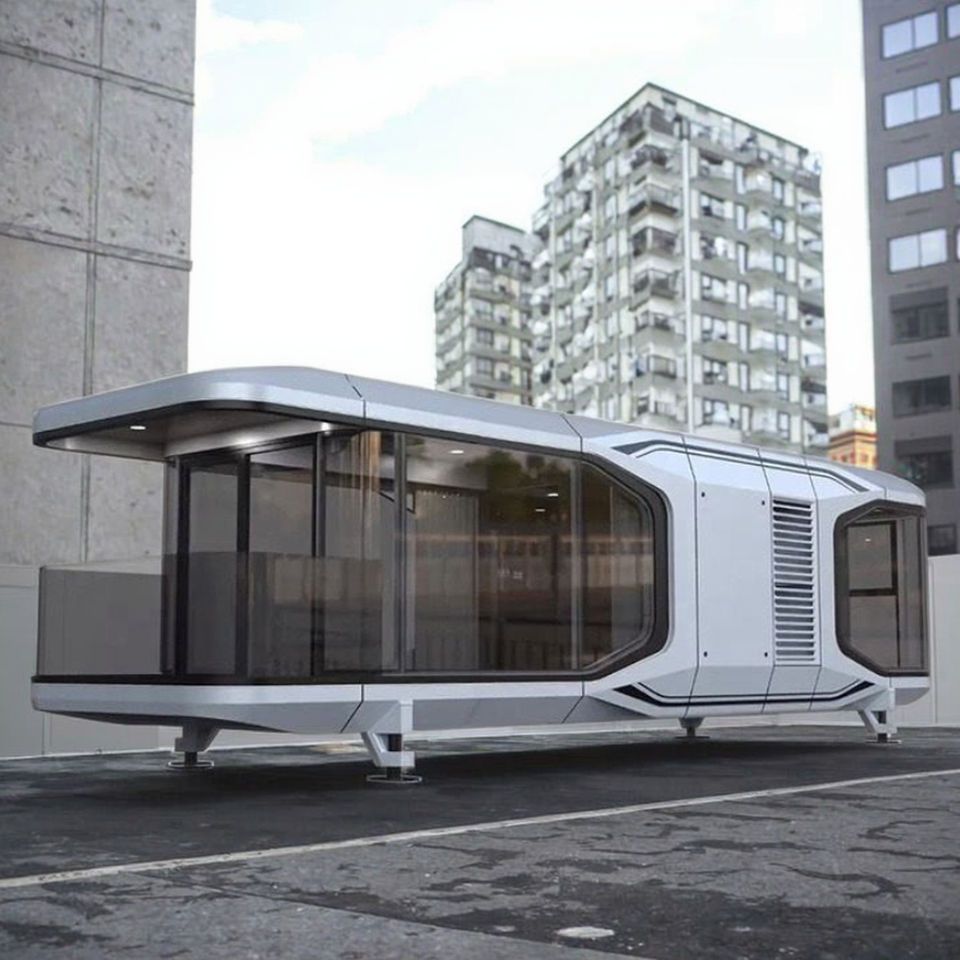
I. Installation Process and Time
Positioning and Foundation Treatment
Determine the installation location according to site planning, ensuring a solid ground and smooth drainage. If the ground is uneven or the soil is soft, harden it in advance or lay steel plates to avoid later settlement. This step may add 1-2 hours of preparation time.Assembly and Debugging
- Split-type Toilets: After the chassis and frame are in place, install the walls, roof panels, and secure them, then connect internal facilities (such as toilets, flushing systems, and ventilation equipment). Wall installation takes about 1-2 hours, with overall time varying by type.
- Integrated Toilets (e.g., box-type): The factory has completed the interior decoration, and on-site work only requires lifting into place and connecting water, electricity, and sewage pipes, reducing the overall installation time to 2-4 hours.
- Debugging Phase: Conduct flushing tests, circuit checks, and leak-proofing inspections to ensure no leaks, safe circuits, and normal functionality.
II. Costs and Scene Adaptation
Basic Installation Costs
The installation cost for ordinary mobile toilets (steel structure, color steel plate) is approximately 500-2000 yuan, covering frame construction, wall fixation, and other engineering work. If connection to municipal sewage networks or dedicated septic tanks is required, installation time and costs may increase.Additional Fees for Special Scenarios
Remote areas or high-altitude lifting require an additional 500-2000 yuan for transportation or labor costs. Waterless or biodegradable toilets eliminate the need for complex sewage pipe connections, making them suitable for areas without municipal sewage networks.
III. Key Considerations
Compatibility of Supporting Facilities
If connection to the municipal sewage system is required, plan the pipeline route in advance and reserve interfaces; for independent use scenarios, it is recommended to choose models with built-in septic tanks to reduce construction complexity.Professionalism of the Construction Team
A professional team can significantly improve efficiency and avoid rework due to improper operation. For example, water and electricity connections should be operated by certified personnel to ensure compliance with safety regulations.Maintenance and Standard Compliance
Installation should refer to the "Mobile Toilet Hygiene Standards" (GB/T 21239-2023) to ensure structural safety and hygiene compliance. Regularly check bolt tightness, seal conditions, and promptly replace aging components to extend service life.
IV. Type Selection Recommendations
- Short-term Events: Prioritize integrated box-type toilets for quick installation and easy mobility.
- Long-term Fixed Use: Split-type toilets are more stable and suitable for scenic spots, construction sites, etc.
- Environmental Protection Needs: Biodegradable toilets do not require sewage pipes and are suitable for ecologically sensitive areas.
You may also like

Portable Toilet Custom Explained: How to Choose the Right One
Read More
Top Portable Toilet Smart Manufacturers: How to Choose a Factory Partner
Read More
Portable Toilet Picture: Top Options & Considerations
Read More