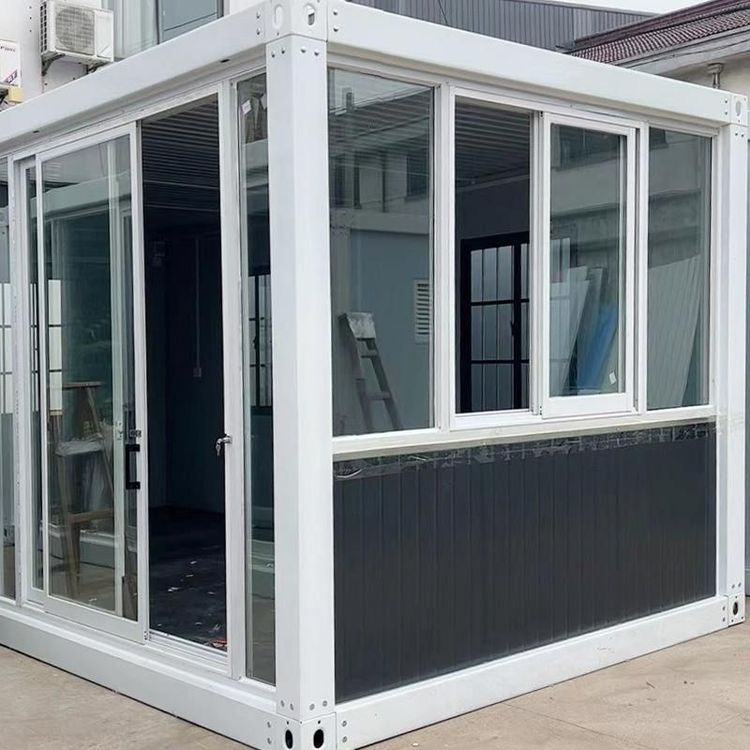
Measurement Unit for Mobile Toilets
The measurement unit for mobile toilets is typically 'unit·day'. However, in actual rental services, the billing logic needs to be considered comprehensively in combination with periodic rates, as detailed below:

1. Meaning of the Basic Measurement Unit 'Unit·Day'
'Unit·day' is the most fundamental measurement unit in mobile toilet rental services, representing the usage of a single unit per day. For example, renting one mobile toilet for one day is counted as one 'unit·day'. This unit is used to quantify the scale of services and serves as the basic parameter for subsequent billing.
2. Actual Billing Logic with Tiered Periodic Rates
Although 'unit·day' is the basic unit, the actual cost is not simply accumulated by the number of days. Instead, it adopts tiered pricing based on the length of the rental period:
- Single-Day Rental: The unit price is usually higher, suitable for short-term events or emergency needs. For example, the daily rental fee might be 200 yuan per unit·day, but if rented for only a few hours, some service providers may prorate the fee or set a minimum charge.
- Weekly Rental: When the rental period reaches seven days or more, the unit price significantly decreases. For example, the weekly rental rate might drop to 150 yuan per unit·day, with a total cost of 1050 yuan (7 days × 150 yuan), saving 25% compared to single-day rental.
- Monthly Rental and Beyond: For long-term rentals (e.g., 30 days), the unit price is further discounted, possibly as low as 100 yuan per unit·day, with a total cost of 3000 yuan, saving 50% compared to single-day rental.
3. Rationality of Tiered Rates
This pricing model is primarily based on cost-sharing logic: short-term rentals need to cover fixed costs such as equipment transportation, installation, and cleaning, resulting in higher unit prices; long-term rentals, on the other hand, spread these fixed costs over an extended usage period while reducing the service provider's scheduling frequency, thus offering more favorable prices. Additionally, some service providers may adjust tiered rates based on equipment type (e.g., standard or smart), functional configurations (e.g., whether equipped with air conditioning or an independent restroom), or service content (e.g., whether including consumable replenishment or regular cleaning).
4. Considerations in Practical Applications
- Period Definition: Service providers typically calculate the rental period in calendar days, but some contracts may stipulate that 'less than one day is counted as one day' or 'cross-day usage is charged for the entire day,' which needs to be confirmed in advance.
- Cost Transparency: Before signing the contract, clarify the specific segmentation criteria for tiered rates (e.g., when weekly rental starts to take effect, whether monthly rental includes 30 full days) and additional fees (e.g., transportation fees, deposits, damage compensation).
- Flexible Adjustment: If the rental period spans different tiers (e.g., renting for 15 days), negotiate with the service provider whether to bill based on a 'weekly rental + single-day' combination or directly apply the higher tier's unit price.
In summary, although the measurement unit for mobile toilets is 'unit·day,' the actual cost needs to be calculated based on the tiered rates of the rental period. Users should choose the optimal period according to their needs to reduce costs.