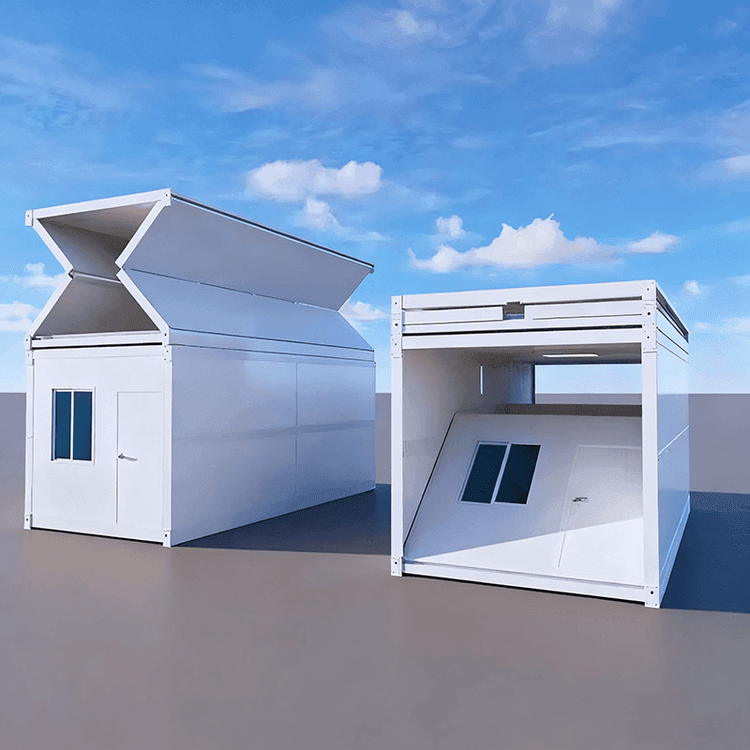
Macau Foam Blocking Mobile Toilet
Currently, no targeted information specifically for 'Macau Foam Blocking Mobile Toilet' has been retrieved, but its potential application scenarios and characteristics can be analyzed based on the general technical principles of foam-blocking mobile toilets.

Core Functions and Technical Principles
The core of foam-blocking mobile toilets lies in generating a large number of tiny bubbles through a foaming device. These bubbles form a flexible barrier inside the toilet bowl, achieving three main functions:
- Odor Blocking: The foam covers the surface of excreta, isolating direct contact between air and waste, thereby suppressing odor diffusion from the source and reducing aerosol pollution caused by water flow impact in traditional flush toilets.
- Water-Saving and Efficiency: The foam replaces a large amount of flushing water, requiring only about 0.2-0.5 liters of foam solution per use (traditional toilets require 6-12 liters of water), achieving a water-saving rate of 80%-98%. This is particularly suitable for areas with scarce water resources or unstable water supply.
- Self-Cleaning Pipes: The lubricating effect of the foam reduces the adhesion of waste to the inner walls of pipes, lowering the risk of blockage. Meanwhile, the bio-enzyme components in the foam can accelerate the decomposition of organic matter, assisting in pipe cleaning.
Applicable Scenarios and Advantages
This technology is mainly applied in two types of scenarios:
- Temporary Needs: Such as large-scale events (concerts, sports events), disaster relief sites, or construction sites. Its modular design supports rapid deployment and disassembly, and it does not require a complex drainage system, allowing for flexible adaptation to different venues.
- Extreme Environments: The equipment can operate stably within a temperature range of -40°C to 50°C, resisting sandstorms and high humidity, making it suitable for the hot and humid summers in Macau or outdoor temporary scenarios.
Potential Logic for Application in Macau
If Macau adopts such toilets, it may be based on the following considerations:
- Water Conservation and Environmental Pressure: Macau has a high population density, and the demand for water in public facilities is significant. Foam technology can significantly reduce freshwater consumption, aligning with local water conservation policy directions.
- Support for Temporary Events: Macau hosts a large number of festivals and exhibitions every year. Traditional toilet construction is costly and time-consuming, while foam mobile toilets can quickly respond to demands and reduce reliance on municipal sewage networks.
- Tourism Image Management: The odor-free and clean appearance of foam toilets contribute to enhancing the visitor experience and maintaining the city's sanitation image.
Information Requiring Further Verification
Currently, there is a lack of specific case data from Macau. Its actual implementation may involve details such as supplier selection, maintenance costs (e.g., foam solution replenishment), and public acceptance. Further confirmation is needed by referring to public planning documents from the Macau Health Bureau or municipal departments or supplier proposals.