Luoyang Cement Prefabricated House
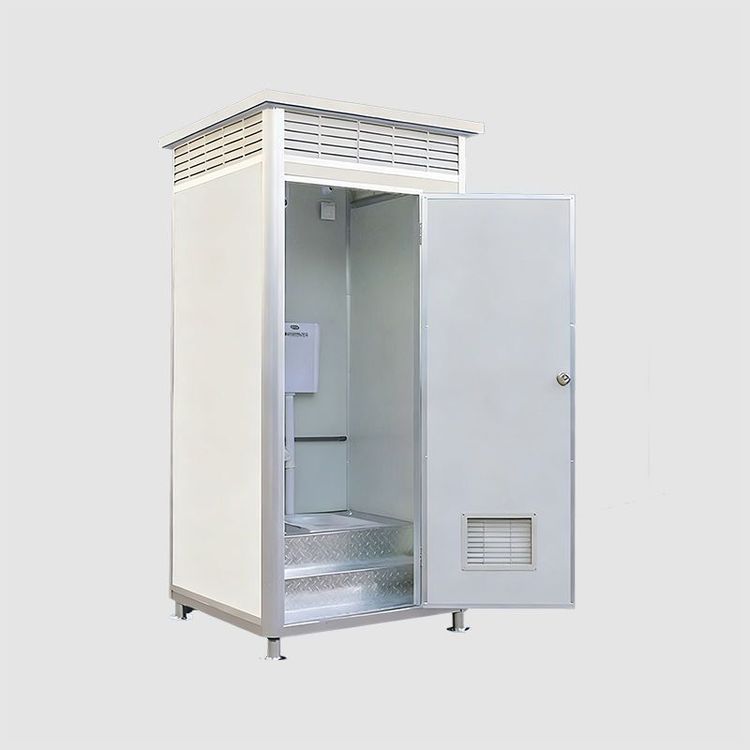
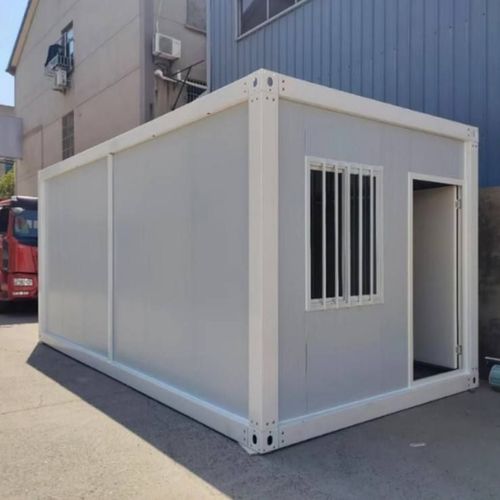
The cement prefabricated house in Luoyang is a new type of building form that is prefabricated in factories and quickly assembled on-site. It features high efficiency, environmental protection, flexible design, and a sturdy structure, but also faces challenges such as quality concerns, regulatory improvements, and market competition.

Significant Advantages in Construction Efficiency and Cycle
Cement prefabricated houses adopt a factory-based production model, where building components (such as walls, floors, beams, and columns) are prefabricated in factories and simply assembled on-site. This model significantly shortens the construction cycle. For example, in rural areas of Henan, a villa can be completed in as fast as 4 hours, and a building can be erected within two days, with the overall construction period reduced by more than 50% compared to traditional buildings. For developers, quick delivery reduces capital occupation costs and enhances market competitiveness.
Outstanding Design Flexibility and Personalization
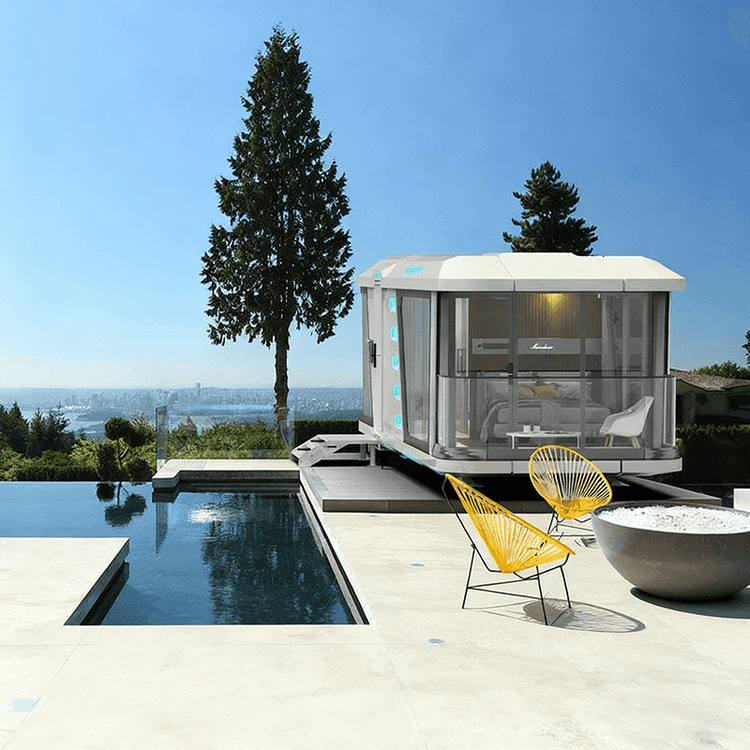
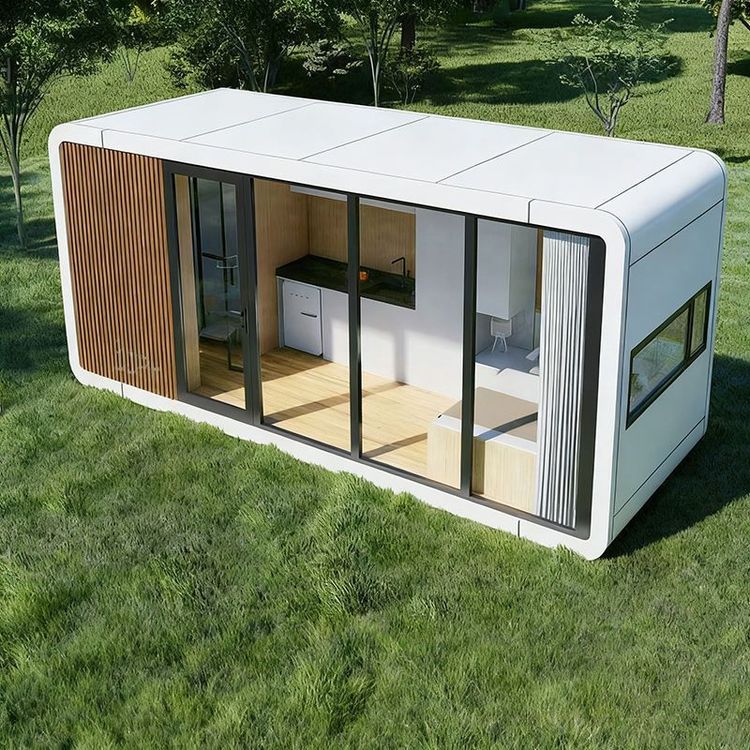
Although the basic structure adopts standardized design, the appearance and internal layout can be flexibly adjusted according to needs. For example, different styles of roofs, doors, windows, or internal space divisions can be designed based on local cultural backgrounds and residents' living habits to meet diverse needs. This flexibility makes it suitable for both urban housing and rural self-built houses or tourist homestays.
Reliable Material Performance and Durability
The main materials are cement and steel, resulting in a sturdy house structure with superior earthquake and wind resistance compared to traditional brick-and-mortar structures, better withstanding natural disasters. The durability of cement materials provides long-term use guarantees, with cases in rural Henan showing a lifespan of up to 70 years and low maintenance costs. Additionally, cement materials are recyclable, aligning with environmental trends.
Environmental Benefits and Resource Conservation
Factory-based production reduces noise, dust pollution, and construction waste on-site, aligning with modern environmental concepts. At the same time, standardized production improves material utilization, avoiding waste caused by cutting and modifications in traditional construction, further conserving resources.
Development Challenges and Improvement Directions
Currently, the public has concerns about the quality and safety of prefabricated houses, with some consumers believing their earthquake resistance or connection node reliability is inferior to traditional buildings. Additionally, relevant laws, regulations, and standards need to be improved to standardize production, transportation, and installation processes. Fierce market competition also requires enterprises to enhance technological levels, reduce costs, and strengthen brand building to increase consumer trust.