Love for Prefabricated Houses
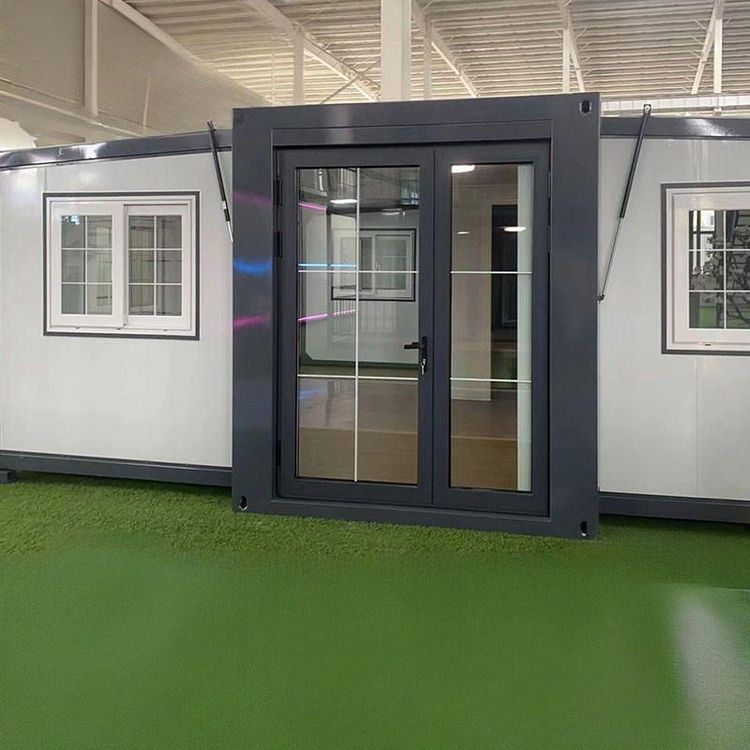
The love for prefabricated houses stems from their numerous advantages, including high cost-effectiveness, environmental friendliness, short construction periods, controllable quality, flexible maintenance, wide application scenarios, and significant export growth.
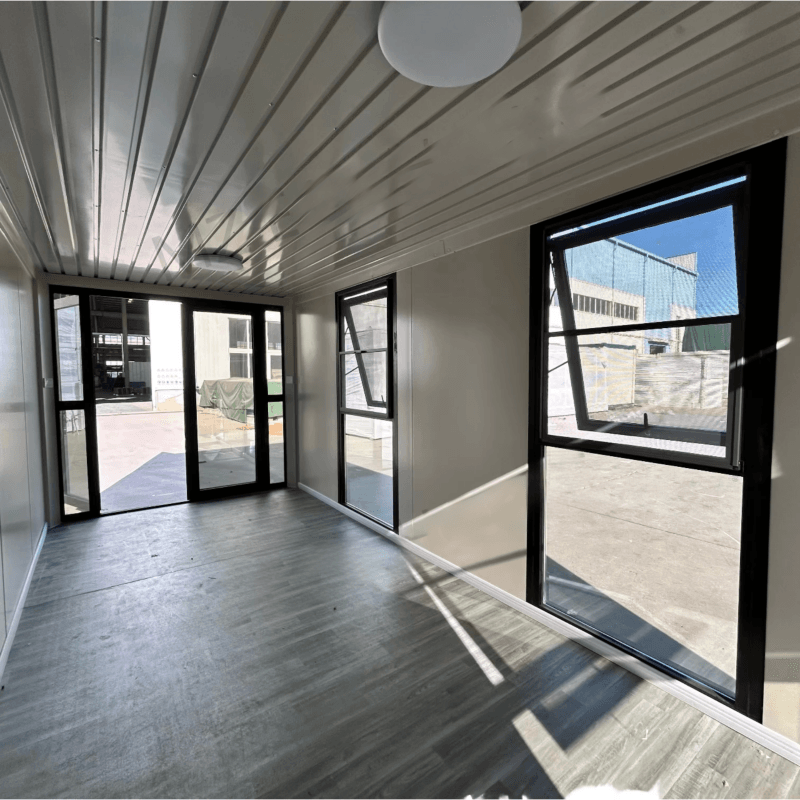
High Cost-Effectiveness: Prefabricated houses are manufactured in factories and assembled on-site, resulting in significantly lower costs compared to traditional construction methods. For example, a prefabricated house can be delivered to your doorstep for just 200,000 RMB. In countries with high construction costs, such as those in Europe and America, this price advantage is particularly evident, attracting a large number of consumers.
Environmental Friendliness: During the factory production process of prefabricated houses, issues such as noise, dust, construction waste, and traffic congestion caused by on-site construction are effectively reduced. This aligns more closely with modern society's environmental requirements and contributes to the development of green buildings.
Short Construction Periods: The construction cycle of modular buildings can be significantly shortened, typically by more than 60%. For instance, a public housing project in Shenzhen, Guangdong, saw its completion and delivery time reduced from the traditional 2.5 to 3 years to just 1 year, greatly improving construction efficiency and meeting the rapidly developing social needs.
Controllable Quality: Prefabricated houses are produced on factory assembly lines, with the position of each steel bar precisely controlled to the millimeter. This ensures effective control over errors and precision, thereby guaranteeing the overall quality of the house.
Flexible Maintenance: The modular design of prefabricated houses makes maintenance more flexible and convenient. When a problem arises with a module, it can be quickly replaced or upgraded without the need for large-scale repairs to the entire house, reducing maintenance costs and time.
Wide Application Scenarios: Prefabricated houses have a wide range of application scenarios, not only suitable for residential use but also widely applicable in hotels, apartments, dormitories, office buildings, hospitals, and even data centers, meeting the needs of various fields.
Significant Export Growth: In recent years, China's exports of prefabricated buildings have continued to grow, indicating strong demand for prefabricated houses in overseas markets. According to data from the General Administration of Customs, from 2015 to 2025, China's exports of prefabricated buildings nearly tripled over a decade, with a growth rate of 45% in the first quarter of 2026, suggesting a broad prospect for prefabricated houses in the international market.