Loufan Flush Mobile Toilet
Loufan offers services and products related to flush mobile toilets, which can meet the needs of various scenarios. Multiple factors need to be considered during installation to ensure normal operation.

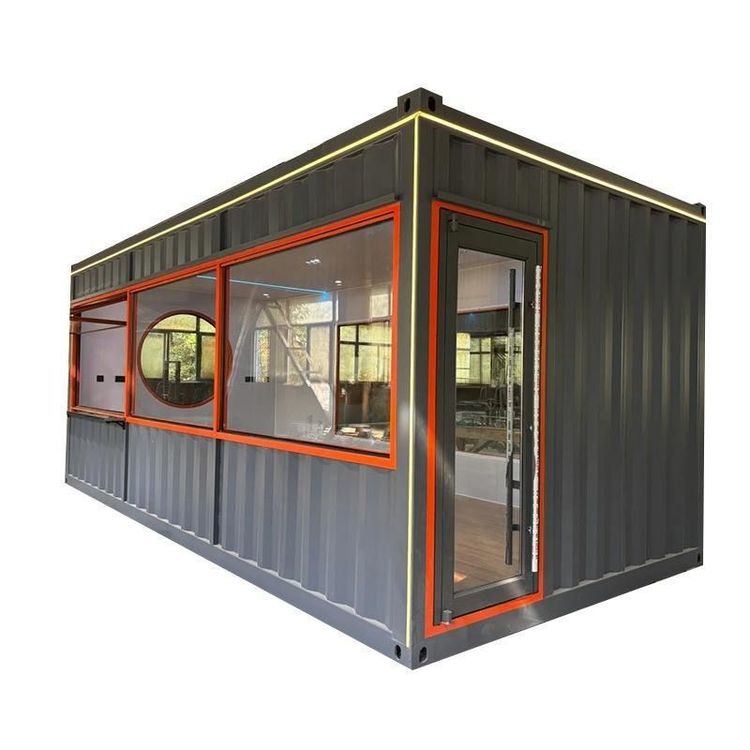
Loufan provides mobile toilet rental services suitable for marathons, concerts, music festivals, construction sites, and other scenarios. In the mining area of Loufan, Taiyuan, there are mobile restrooms with dimensions of 1.82.53.0m. They are sturdy and durable, with materials including metal carved panels, steel structures, and color-steel plates. They are suitable for a temperature range of -20 to 50℃, with a voltage of 220v, and can also be customized. In areas without electricity, solar panels can be installed to provide power. In areas with water supply difficulties, options such as waterless packaging, foam sealing, or microbial degradation treatment methods can be chosen.
The following points should be noted during the installation of flush mobile toilets:
- Site Selection and Environmental Assessment: Determine an appropriate installation location, giving priority to flat terrain with good drainage and avoiding low-lying areas. At the same time, assess the surrounding environment, keeping away from areas where flammable and explosive materials are stored. If the soil is loose, reinforcement treatment is required.
- Foundation Treatment and Ground Leveling: Install on a solid foundation. It is recommended to pre-pour a concrete foundation no less than ten centimeters thick, and the foundation area should be slightly larger than the bottom size of the toilet. The foundation surface should be kept level.
- Water Supply System Connection: Confirm the location of the water source. Water supply pipes should be made of pressure-resistant and freeze-resistant materials, and buried deeper than the local frost line. If an external water tank is used, ensure its capacity and sealing performance. Install a valve at the connection between the water pipe and the toilet's water inlet, and check for leaks at the interface.
- Drainage and Septic Tank Setup: Plan the sewage discharge path well, and maintain a slope of no less than two percent for the drainage pipes. The capacity of the septic tank should be reasonably designed according to the number of users. The location should be close to the toilet but at a certain distance. Install an anti-odor elbow at the connection between the drainage pipe and the septic tank.
- Power and Lighting System: For the installation of lighting, exhaust fans, or electric heating devices, arrange the power lines in advance. Protect the wires by running them through pipes, set the power outlets in dry locations, and install leakage protection devices. Choose waterproof lighting fixtures. If there is no mains power supply, consider a solar power supply solution.
- Fixing and Wind Protection Measures: Take fixing measures, such as installing embedded parts at the bottom of the toilet and connecting them to the foundation with bolts. In areas with strong winds throughout the year, use windproof cables for fixation and check the firmness of the connections between various components.
- Insulation and Anti-freezing Treatment: In cold areas, wrap insulation materials around the water supply and drainage pipes, add an insulation layer to the internal water tank of the toilet, drain the water in extreme weather conditions, and attach insulation panels to the walls of single-layer structures.