Longyan Community Portable Toilet Installation
The installation of portable toilets in Longyan communities should follow a simple and efficient process, with core steps including positioning, assembly, connection, and commissioning. It is recommended to contact local professional teams for operation to ensure efficiency and safety.

1. Positioning and Site Preparation
Before installation, plan the installation location based on the actual needs of the community, prioritizing areas with solid ground and smooth drainage. If the site has slopes or soft foundations, leveling or reinforcement should be carried out in advance to prevent toilet tilting or settlement due to unstable foundations. The drainage design should be connected to the municipal sewer network or an independent septic tank to ensure that sewage discharge meets environmental protection requirements.
2. Assembly Method Selection
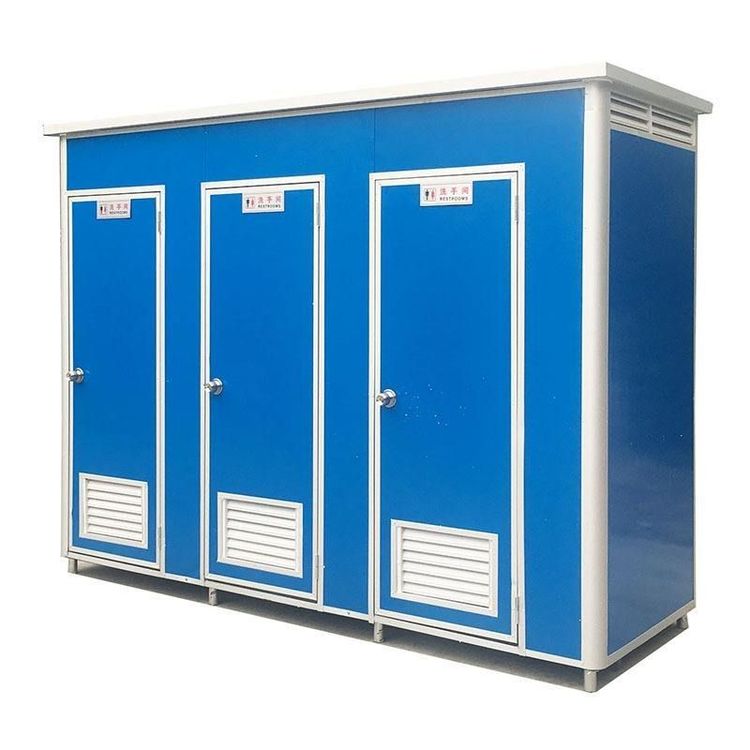
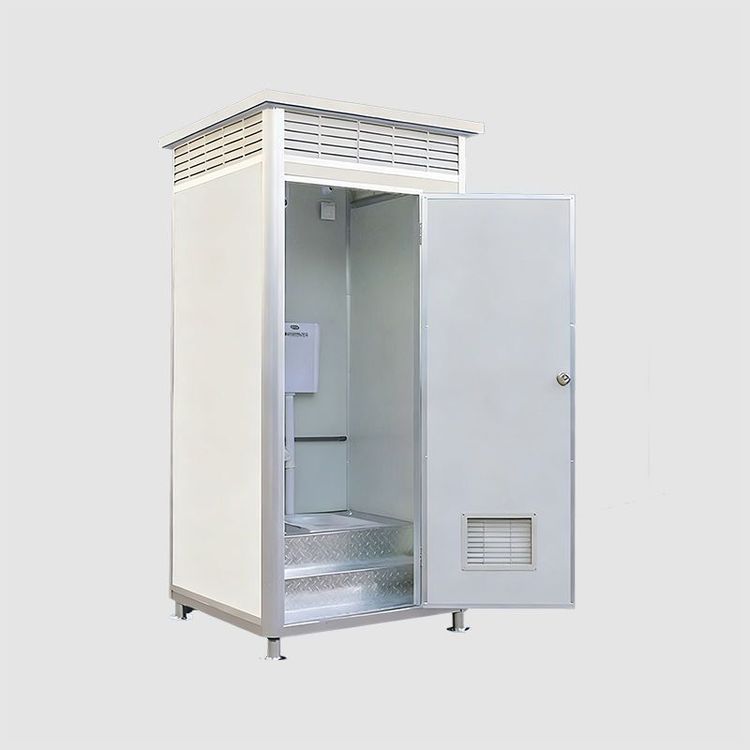
Portable toilets come in two types: split-type and integrated-type, with different assembly methods:
- Split-type toilets: Place the chassis steadily at the predetermined location, adjust it to a level state using a spirit level, then install the wall panels and roof panels in sequence. Use sealant or rubber strips to seal the joints to prevent odor leakage.
- Integrated toilets (such as box-type toilets): These have already undergone interior decoration and equipment integration at the factory. On-site, they only need to be hoisted as a whole to the designated location using a crane, without secondary assembly, significantly shortening the construction period.
3. Internal Facility Connection
After assembly, install facilities such as toilets, flushing systems, and sinks, and connect water and electricity pipelines. Modern portable toilets often adopt a modular design, with quick connectors for water and electricity interfaces, enabling rapid connection and reducing the risk of water leakage. If a solar power system is used, photovoltaic panels and energy storage devices should be installed simultaneously to ensure self-sufficiency in electricity.
4. Functional Commissioning and Acceptance
After installation, comprehensive commissioning should be carried out:
- Flush testing: Check the flushing force and drainage speed of the toilet to ensure there is no blockage or backflow.
- Circuit inspection: Test whether electrical equipment such as lighting and exhaust fans is working properly and whether the leakage protection device is sensitive.
- Seal inspection: Spray smoke or perfume on door seams, wall panel joints, and other areas to observe for odor leakage, and reseal if necessary.
5. Professional Team Collaboration
There are one-stop service enterprises in Longyan City that provide research and development, production, sales, and leasing of portable toilets. They can customize products according to community usage scenarios (such as temporary events or long-term public facilities) and dispatch professional teams for installation. Choosing qualified enterprises can ensure the structural safety and functional integrity of the toilets, while also providing after-sales maintenance services to reduce usage risks.