
Longnan Mobile Environmental Toilet
The Longnan mobile environmental toilet is a temporary public toilet facility featuring modular design, efficient sewage treatment, and flexible adaptability, widely used in outdoor events and complex terrain scenarios.
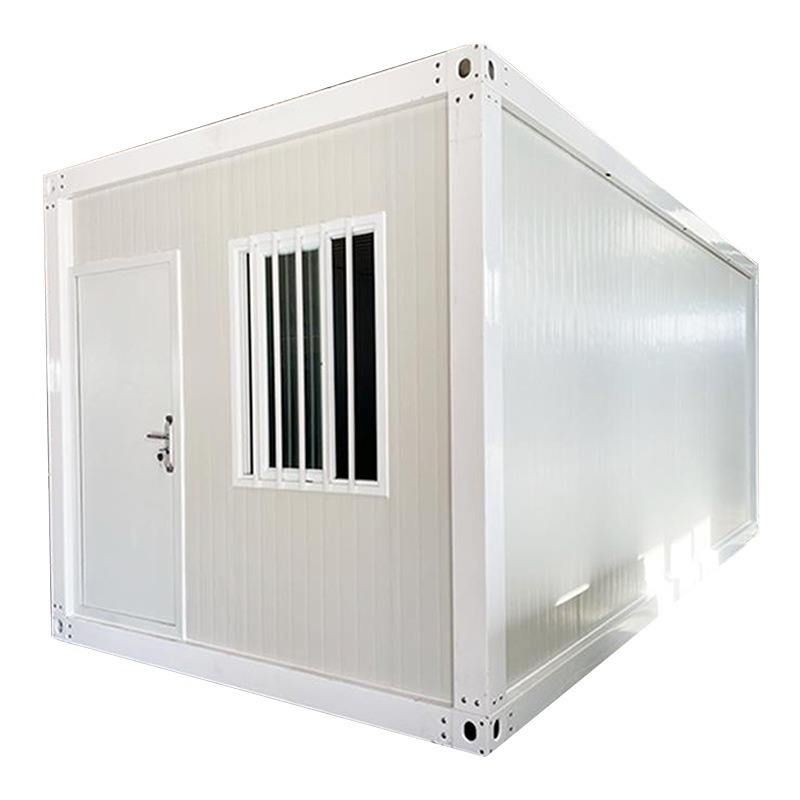
I. Core Structure and Functional Implementation
The mobile toilet consists of a frame support system, an integrated sewage treatment unit, ventilation and lighting devices, and sanitary fixtures. The frame is made of lightweight, high-strength alloy materials and is quickly assembled through standardized interfaces, ensuring structural stability and ease of transportation. The sewage treatment unit is a micro-biochemical treatment system that achieves compliant discharge or recycling of waste through multi-stage filtration and microbial decomposition, eliminating reliance on municipal sewage networks. The ventilation system regulates internal air through negative pressure airflow while providing oxygen for the aerobic decomposition process in the sewage treatment unit. The lighting device is powered by integrated photovoltaic panels or external power sources, with circuits insulated from the frame to ensure electrical safety in humid environments.
II. Environmental Adaptability and Technical Optimization
To address Longnan's complex terrain, the mobile toilet employs adjustable support feet to accommodate uneven ground and enhance wind resistance. Internal environmental control balances deodorization efficiency and energy consumption through physical adsorption and low-power fans generating negative pressure airflow. The sewage treatment module capacity is precisely designed based on usage frequency and treatment cycles to prevent overload failures. For example, insulation layers can be added in cold regions, and enhanced water recycling capabilities can be implemented in water-scarce areas, demonstrating the flexibility of modular design.
III. Maintenance and Intelligent Evolution
The system monitors pollutant concentrations via sensors to dynamically adjust filter replacement frequencies. Anti-rust treatment for metal components is tailored based on local air humidity and pH data, shifting from reactive maintenance to proactive intervention and extending service life. Future technological directions include module miniaturization and functional integration (e.g., combining water treatment and power supply into a single energy unit) and intelligent management systems (automatically generating operational reports through embedded sensor networks to optimize deployment locations and maintenance plans).
IV. Application Scenarios and Product Specifications
The mobile toilet is suitable for temporary public toilet scenarios such as marathons, music festivals, tourist attractions, and construction sites, offering advantages like rapid deployment, reusability, and hygiene compliance. Priced at 1,200 yuan per unit with a total supply of 780 units, it supports nationwide delivery and customization. Standard configurations include squat toilets, sinks, door locks, light bulbs, and exhaust fans, with slip-resistant flooring. Specifications and colors can be customized as needed.



