
Longnan Mobile Ecological Toilet Installation
The installation of mobile ecological toilets in Longnan needs to be efficiently deployed by combining terrain, climate, functional requirements, and environmental protection requirements through modular design, adaptive materials, and a reasonable sewage treatment system.
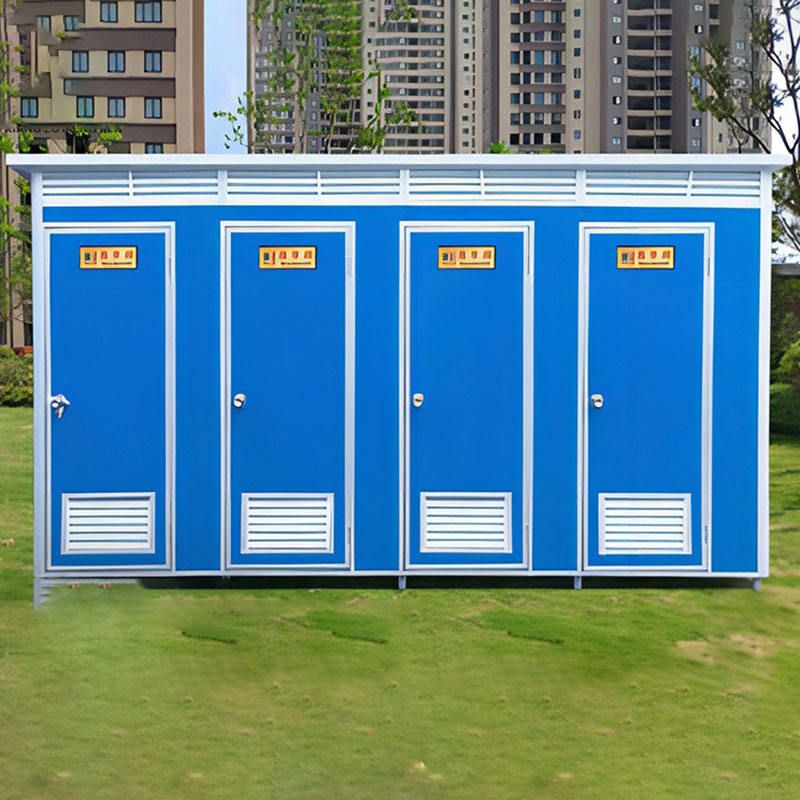
1. Modular Design and Terrain Adaptation
Longnan is predominantly characterized by mountainous and hilly terrain. The mobile toilets adopt a modular design, with the toilet body being divisible into independent functional units (such as toilet fixtures, sewage storage, and ventilation modules). This facilitates transportation to complex terrains like mountains and river valleys using small machinery or manual labor. For instance, in areas with steep slopes along hiking trails, the facilities can be deployed near rest platforms where physical exertion is high, minimizing damage to the original landscape. The modular structure also supports flexible layout adjustments to meet different scenario requirements.
2. Selection of Environmentally Adaptive Materials
Given Longnan's humid and rainy climate with cold winters, the toilet body materials are mostly galvanized steel plates or fiberglass, which are rust-resistant. The surface coating has anti-slip and stain-resistant properties. Internal partitions and accessories need to be moisture-proof to prevent deformation or mildew due to humidity changes. In high-altitude areas, toilet fixture materials need to be low-temperature resistant and crack-resistant, while the ventilation system requires enhanced moisture-proofing and air circulation capabilities to ensure stable operation in extreme environments.
3. Sewage Treatment System Configuration
In areas lacking fixed sewage networks, common treatment methods include biological degradation (using microorganisms to decompose organic waste), chemical decomposition (adding agents to accelerate decomposition), and physical storage (temporary storage in sealed containers with periodic removal). Short-term events may adopt chemical degradation or biological agent decomposition, while semi-permanent setups may connect to micro-circulating water flushing systems combined with small-scale biochemical treatment equipment for resource recycling.
4. Energy-Saving and Resource Recycling Technologies
Some facilities are equipped with solar power systems for lighting and ventilation equipment operation; rainwater collection devices can treat precipitation for toilet flushing, reducing freshwater consumption. For example, integrating efficient rainwater collection and filtration systems or using biodegradable composite materials to reduce environmental footprints and enhance facility self-sufficiency.
5. Layout and Site Selection Logic
The placement of facilities needs to comprehensively consider hiking fatigue points along main trails,停留时间 (duration of stay) at viewing platforms, distribution of dining and rest areas, and accessibility routes for logistics vehicles. Facility spacing needs to balance coverage and operational costs, avoiding resource redundancy or landscape damage. For example, the spacing in flat areas may be longer than in areas with steep slopes to ensure convenience of use and maintenance efficiency.
6. Maintenance and Management Mechanisms
Daily cleaning should use environmentally friendly cleaning agents to avoid secondary pollution; a regular replacement system should be established for easily damaged parts; remote monitoring technology can provide real-time usage status for timely resource allocation for maintenance. Sewage collection tanks should be easy to seal, extract, and transport, while waste generated from maintenance should be transported to off-site treatment facilities that meet environmental standards to ensure pollution-free processes throughout.
7. Appearance and Landscape Integration
The exterior design adopts low-visual-impact colors and simple shapes, with some facilities having wooden or stone veneers added to their outer walls to harmonize with the surrounding environment. For example, avoiding excessive prominence in natural landscapes and integrating into the overall design of parks or scenic areas to minimize interference with ecological landscapes.



